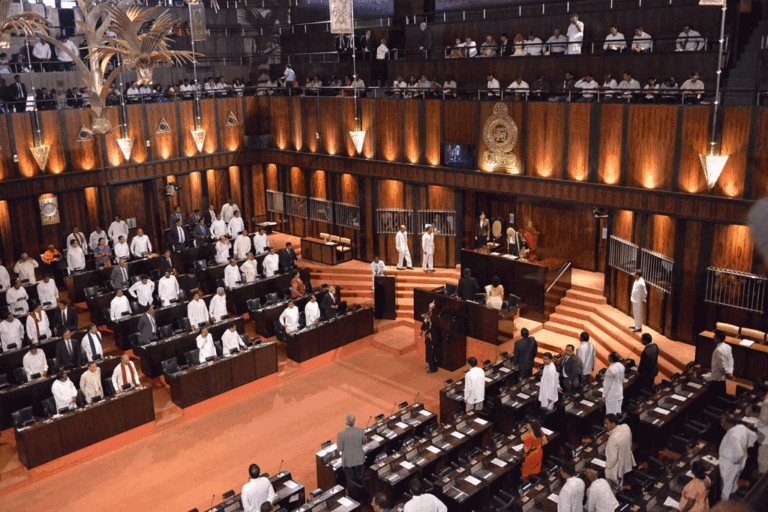
Colombo (LNW): Certain individuals are reportedly working on submitting a motion to Speaker Mahinda Yapa Abeywardana, urging the establishment of a select committee to investigate the cricket crisis, a report by Daily Mirror said.
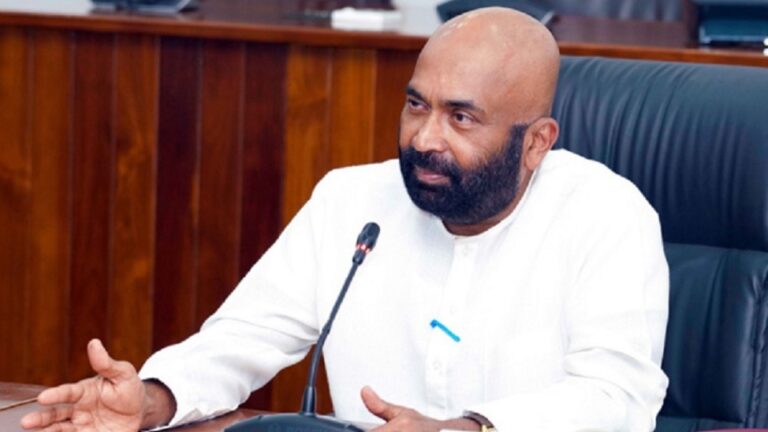
MP Dayasiri Jayasekera confirmed that approximately ten members have already endorsed the motion.
Supporters of the motion include members of Uttara Lanka Sahabaga led by MP Wimal Weerawansa and the political faction led by MP Dullas Alahapperuma.
MP Jayasekera dismissed the Opposition Leader’s suggestion that a select committee might be an attempt to conceal the issue, describing it as a “foolish idea.”
In response to these developments, Leader of the House Prasanna Ranatunga stated in Parliament that the government would welcome a select committee.
Leader of the Opposition Sajith Premadasa in response said that such a move would be an attempt to sweep the issue under the carpet.
Colombo (LNW): A significant number of child-related crimes, estimated to be around 5000 annually, have been reported, disclosed Senior Deputy Inspector General of Police (SDIG) in charge of the Western Province Deshabandu Tennakoon.
A notable portion of these crimes can be attributed to the influence of drugs and the misuse of mobile phones, Tennakoon pointed out.
The data indicates a consistent annual reporting of approximately 5000 child-related crimes in Sri Lanka.
The SDIG emphasised that drugs play a pivotal role in various crimes against children, including instances of sexual and physical abuse. Notably, mobile phones are increasingly being utilised as tools for child abuse, he added.
Despite efforts to mitigate child abuse cases, the prevalence of mobile phone use hampers progress, and parents, therefore, are urged to implement stricter controls within households to curtail child abuse in Sri Lanka, Tennakoon added.
Acknowledging the Western Province’s status as the most populous, the SDIG noted that the districts of Colombo, Gampaha, and Kalutara within the province contribute significantly to the high incidence of child-related crimes.
Additionally, he identified the consumption of drugs and alcohol as another influential factor contributing to child-related crimes in Sri Lanka.
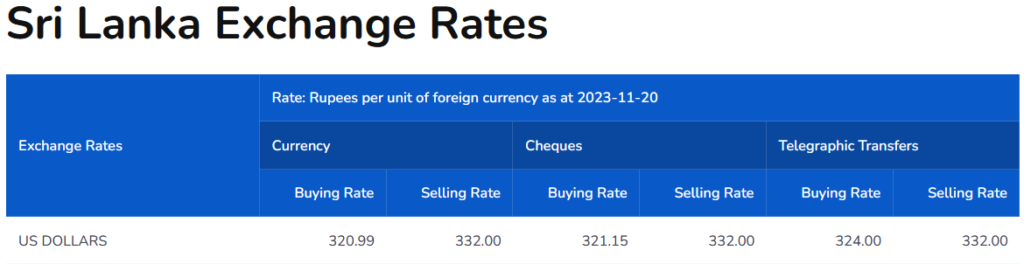
Colombo (LNW): The Sri Lankan Rupee (LKR) indicates further appreciation against the US Dollar today (20) in comparison to last week’s Friday, as per leading commercial banks in the country.
At Peoples Bank, the buying price of the US Dollar has dropped to Rs. 321.92 from Rs. 322.41, and the selling price to Rs. 333.14 from Rs. 333.65
At Commercial Bank, the buying price of the US Dollar has dropped to Rs. 320.99 from Rs. 321.75, and the selling price remains unchanged at Rs. 332.
At Sampath Bank, the buying and selling prices of the US Dollar remain unchanged at Rs. 323 and Rs. 333, respectively.
Minister Nimal Siripala de Silva says the 2nd tranche of the IMF facility is anticipated in December’23: it’s now 18 months since Sri Lanka reached out to IMF, but has so far received only USD 333mn from the IMF and no loans from any bilateral development partners: in contrast, in the 18 months prior to reaching out to the IMF, SL received USD 4,950mn from bilateral development partners.
“Lawyers’ Collective” emphasizes that appointments by the President to superior courts in consultation with the Chief Justice & as approved by the Constitutional Council must be on merit & integrity, rather than merely on seniority: request a prompt response to recent allegations of abuse of judicial office against the President of the Court of Appeal by the Sports Minister.
Govt proposes removal of a host of VAT exemptions in accordance with the IMF dictates: items include books, magazines, journals & periodicals, fruit seeds, public library services, mobile phones, computers & accessories, construction activities, rice milling & milk processing machinery, hi-tech medical equipment, machinery for leather or bag industries, taxi meters, agricultural machinery & parts, items & spares for poultry industry, energy-saving bulbs, media equipment, motorcycles, raw materials for spectacles & frames, electrical goods, dairy & rice products, sugar, jewellery, software, and machinery & accessories for renewable energy generation.
Committee on Public Accounts (COPA) informed that nearly 200,000 new tax payers have been registered in 2023 so far: COPA also urges the expeditious upgrade to the Revenue Administration Management Information System (RAMIS).
Senior official from the Dept of Railways reveals that a staggering number of 45,000 train journeys were cancelled in the past 10 months and an average of 150 daily scheduled train journeys continue to face cancellations: the reasons said to be several issues within the Dept.
Treasury to insist that the incentive paid to Inland Revenue Dept officers should be paid only after they fulfill the Revenue targets set by Govt: move comes in the wake of IRD officials claiming up to Rs. 453mn as incentive payments due to them for collecting taxes: Treasury also directs the IRD to open 30,000 new tax files next year with a revised income target of Rs. 2,200 bn.
Govt has set up a unit to be known as the Office for Overseas SL Affairs under the Presidential Secretariat to attract the SL Diaspora to invest in the country on “favourable terms” to uplift the economy.
Deputy Head of Mission of the Embassy of Japan in Sri Lanka, Katsuki Kotaro says there is a “marked improvement in the economy” since the crisis: analysts point out that SL is suffering from a “marked deterioration” of it’s macro-fundamentals with severe negative growth, acute loss of livelihoods, huge spike in unemployment, unbearable cost of living, and rapid increase in hunger, poverty, and malnutrition.
Chanaka Perera, 29, the country’s top ranked Golfer, to represent Sri Lanka at the 122nd Amateur Golf Championship of India.
Sports Minister Roshan Ranasinghe says SL Cricket has informed the ICC that the Board of ICC will need to advice the Minister that the ICC would be compelled to suspend the SL Cricket board if an Interim Committee is appointed by the Minister.
Colombo (LNW): Sri Lanka possesses a remaining stock of 19,000 metric tonnes of sugar imported prior to the tax hike, ensuring there is no risk of a sugar shortage or unwarranted price escalation, Finance State Minister Ranjith Siyambalapitiya underscored.
Addressing the media following a ceremony in the Ilukthenna area of Deraniyagala, the Minister highlighted ongoing efforts by the Consumer Affairs Authority (CAA) to identify traders selling sugar above the controlled price.
It is the collective responsibility of both the government and the public to procure sugar at the correct price and prevent unnecessary shortages, the Minister emphasised, urging the consumers to report instances of sugar price hikes to the CAA.
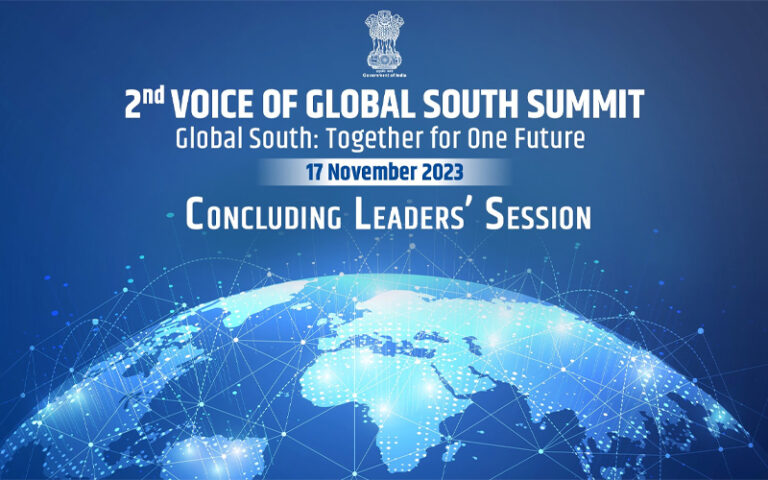
Colombo (LNW): In a virtual address during the Leader’s Session of the Second Voice of Global South Summit, President Ranil Wickremesinghe expressed appreciation for the invitation extended by Prime Minister Narendra Modi, acknowledging India’s crucial role in orchestrating the event.
Prime Minister Modi inaugurated the summit, which witnessed the participation of distinguished leaders from various developing nations.
Reflecting on the significance of the inaugural Voice of Global South Summit, President Wickremesinghe praised India’s leadership, highlighting its positive impact in bringing global attention to the priorities of the developing world.
He also noted the successful outcomes of the G20 Summit under India’s presidency, which identified key priorities and diverse issues relevant to developing nations.
During his address at the First Summit, President Wickremesinghe underscored common challenges faced by the Global South, particularly economic issues such as difficulties in debt settlement and limited access to international financial markets.
He emphasised the importance of external assistance from multilateral institutions and developed economies, positioning India as a bridge between developing economies and G20 countries to address these challenges.
Providing an update on Sri Lanka’s economic progress, President Wickremesinghe mentioned the receipt of the first tranche of the IMF’s loan and progress in the Official Creditors’ Committee on Sri Lanka’s bilateral official debt.
He highlighted the complexity of the indebtedness issue, calling for collaboration between creditors and international financial institutions to find sustainable solutions.
Addressing the economic challenges faced by Sri Lanka, President Wickremesinghe presented the budget for the next year to the Sri Lankan Parliament, with a focus on improving the condition of the people, especially the vulnerable, amid the country’s most severe economic crisis in history.
Looking ahead, President Wickremesinghe emphasised the importance of attracting foreign investment and developing connectivity for long-term growth.
The Vision Statement issued with Prime Minister Modi during his visit to India this year focuses on promoting connectivity between the two economies across all sectors and between the people of both countries for mutual benefit.
President Wickremesinghe proposed a special focus on cooperation in digitalisation, recognising India’s leadership in this sphere. He expressed eagerness for advancements in digitalisation to contribute to both growth and entrepreneurship, as well as more effective governance.
The President concluded by expressing his best wishes for the summit’s success in deliberating on these crucial matters.
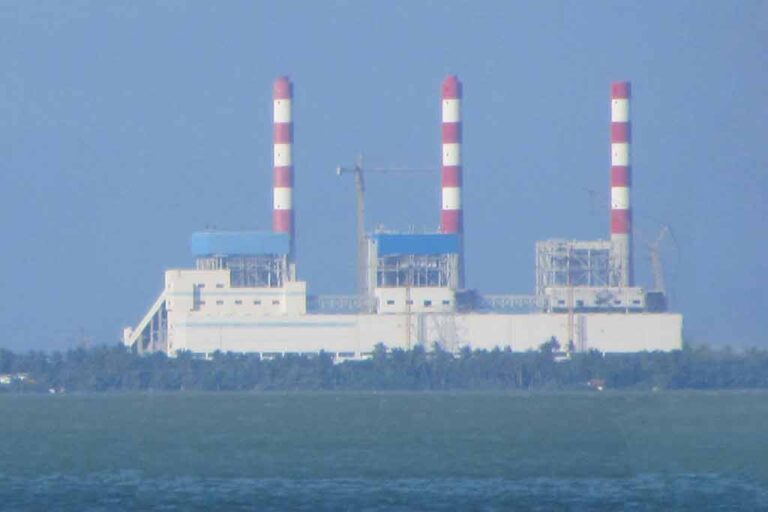
Colombo (LNW): The ongoing repair of the collapsed second generator of the Norochcholai Coal Power Plant is currently underway, with an estimated two-week timeline for its full operation, the Ceylon Electricity Board disclosed.
An additional two weeks will be required to reintegrate the third generator into the national grid, a CEB spokesperson told media.
Despite the completion of maintenance work on the third generator, it encountered an operational error during the verification process.
Despite these challenges, the CEB assured that the continuous supply of electricity will remain unhindered.
However, it is noteworthy that earlier projections had suggested a three-day completion for the second generator’s repair and an imminent addition of the third generator to the national grid.
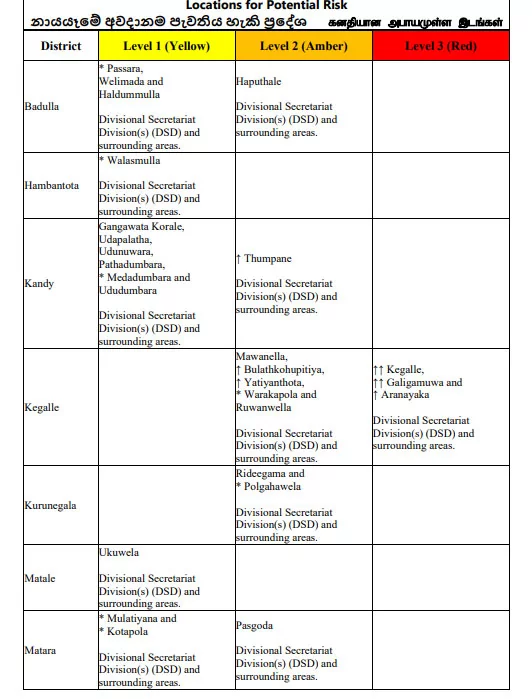
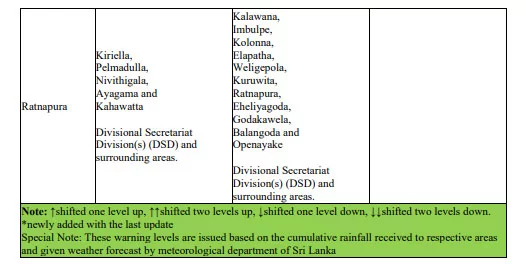
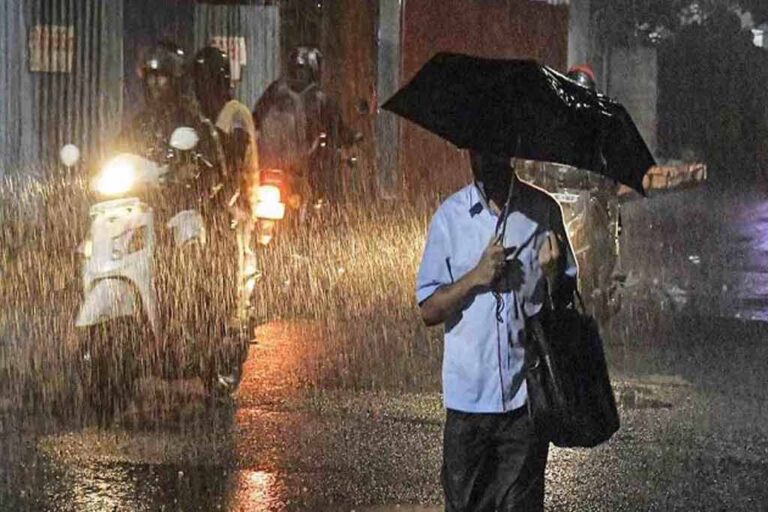
Colombo (LNW): A number of divisional secretariats in eight districts have been issued landslide warnings in response to the adverse weather conditions prevailing in the region.
Notably, red landslide alerts have specifically been issued for the Divisional Secretariat Divisions of Kegalle, Aranayaka, and Galigamuwa.
The National Building Research Institute issued the following landslide warning announcement yesterday afternoon (19).
Colombo (LNW): Showers or thundershowers will occur at several places in most provinces of the island after 01.00 p.m, and fairly heavy showers above 75 mm are likely at some places in Central, Sabaragamuwa and Uva provinces, the Department of Meteorology said in its daily weather forecast today (20).
Showers may occur at some places in Northern and Eastern provinces and in Puttalam district during the morning too, the statement added.
The general public is kindly requested to take adequate precautions to minimise damages caused by temporary localised strong winds and lightning during thundershowers.
Marine Weather:
Condition of Rain:
Showers or thundershowers will occur at several places in the sea areas around the Island.
Winds:
Winds direction is North-Easterly in the sea areas off the coast extending from Chilaw to Trincomalee via Mannar and Kankasanthurai, and Variable in the other sea areas around the island. Wind speed will be (20-30) kmph.
State of Sea:
The sea areas around the island will be slight. Temporarily strong gusty winds and very rough seas can be expected during thundershowers.
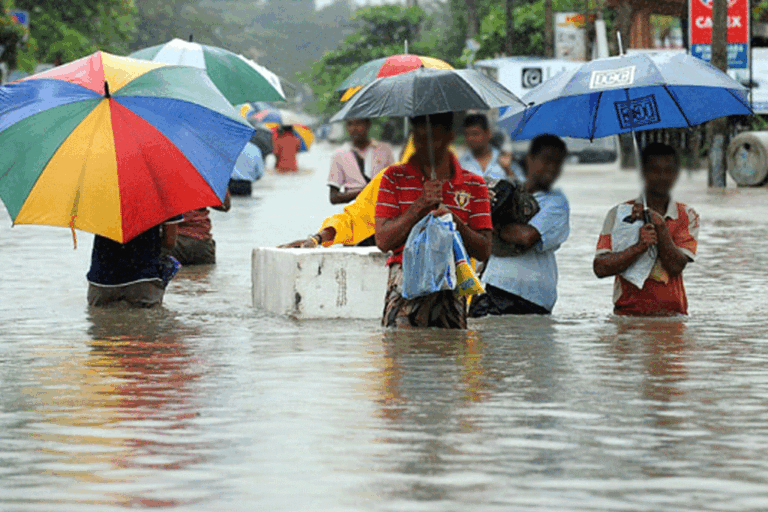
Colombo (LNW): In the substantial precipitation in the upper and middle regions of the Maha Oya Basin, there could be an increased risk of extensive flooding, the Department of Irrigation cautioned.
In response to this development, the department has issued a red alert indicating that the low-lying areas within the Maha Oya Valley, encompassing the Divisional Secretariat Divisions of Alavwa, Divulapitiya, Mirigama, Pannala, Wennappuwa, Negombo, Katana, Narammala, and Dankotuwa, may be susceptible to significant inundation.
Furthermore, the Irrigation Department emphasised that the sluice gates of the Deduru Oya, Tabbowa, Weheragala, Lunugamwehera, Mawara, and Udawalawa reservoirs have been intentionally opened to alleviate potential flood risks.