Home Blog Page 1446

Sri Lanka Collaborates with French Firm CLS to Safeguard Coastal Waters from Oil Spills

0

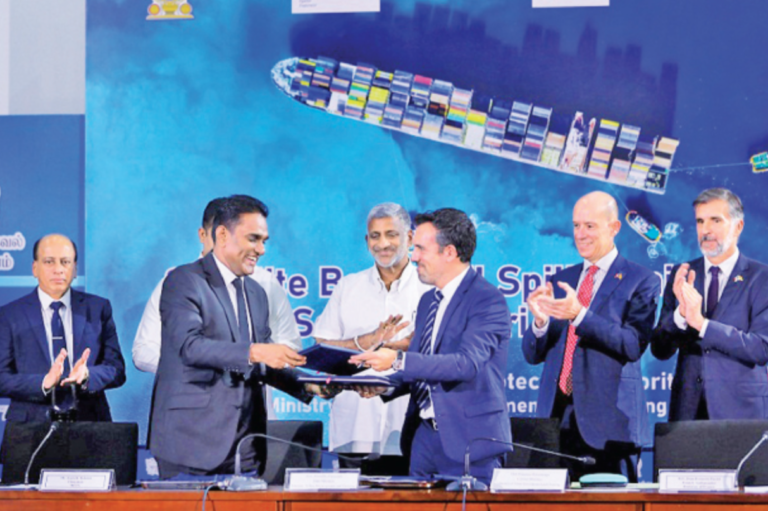
Sri Lanka’s Marine Environmental Protection Authority has inked a significant agreement with France’s Collected Localization Satellites (CLS) to bolster the monitoring of oil spills resulting from vessels traversing Sri Lankan waters, utilizing advanced satellite technology.

This historic accord, with a one-year term, carries a project valuation of 601,810 Euros. The financial support for this endeavor is graciously extended by the French government, while the Sri Lankan government will shoulder the operational expenses. The agreement encompasses the provision of swift responses to oil spills caused by ships, encompassing stringent law enforcement measures. Minister of Urban Development and Housing, Prasanna Ranatunge, underscored the pressing need for such a system, given that approximately 300-350 vessels navigate the southern coast of Sri Lanka on a daily basis.

Minister Ranatunge stated, “Given the substantial maritime traffic along Sri Lanka’s coastal waters, a robust monitoring system is imperative to safeguard our nation’s precious marine environment. This surveillance system stands as an ideal solution to address potential hazards.”

Additionally, experts from Collected Localization Satellites (CLS) will impart invaluable insights to the Marine Environmental Protection Authority personnel on how to effectively monitor and pursue legal recourse in the event of future oil spills. Training will also encompass early detection techniques, which can significantly mitigate environmental risks by facilitating proactive measures.

CLS, the implementing agency for this project, presently operates in 34 global locations and specializes in the monitoring and observation of oil spills through cutting-edge satellite technology.

Government to expedite education reforms

0

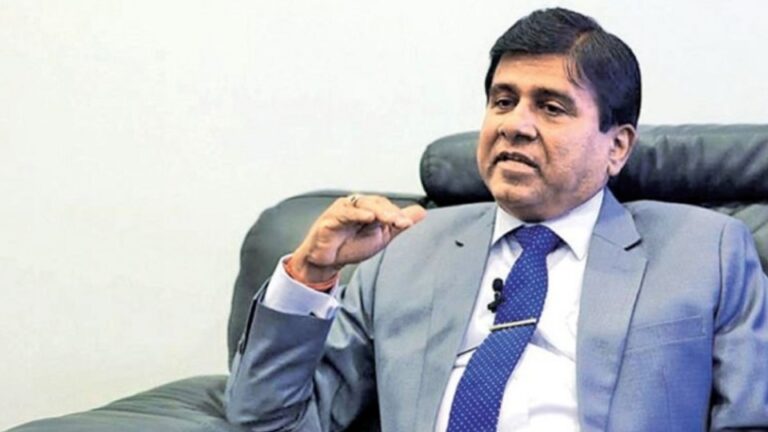
Minister of Justice, Prisons Affairs and Constitutional Reforms Dr. Wijeyadasa Rajapakshe, the Chairman of the Parliamentary Special Committee tasked with Providing Recommendations for the Expansion of Higher Education Opportunities in Sri Lanka, emphasized the pressing necessity of formulating a national government policy to enhance the quality of education in Sri Lanka.

Furthermore, the minister underscored the challenge of nurturing the human potential of children in the absence of a competitive education system. Minister Wijeyadasa Rajapakshe conveyed these sentiments during his participation in a press conference held at the Presidential Media Centre(12), under the theme ‘Collective Path to a stable country.’

He also highlighted the current demand for vocational training in the country and advocated that institutions offering such education should receive recognition on par with universities.

Addressing the media briefing Dr. Wijeyadasa Rajapakshe further said;

In our country, we boast a high standard of education. However, the opportunities available for our students to access the highest levels of education are insufficient. In today’s competitive environment, our children are often taught to memorize knowledge rather than fostering skills, knowledge and intelligence development.

The beginning of the five-year scholarship program introduces fierce competition among children, which sometimes leads to negative emotions like hatred and anger. Despite achieving high exam scores, we have observed little improvement in the development of their character and human qualities. This competitive atmosphere extends to both the General and Advanced Level exams. As long as this competitive education system persists, it remains challenging to nurture an altruistic community for our nation.

Comparing our education system with that of developed countries reveals a key difference. They have a General Term examination system without a scoring mechanism. Every child passes and special attention is given to those with weaknesses, ensuring a well-rounded education. Finland, known for its exemplary education, once had a system similar to ours in the 1970s.

For children to grasp intelligence effectively, they must have a relaxed mind-set. Even without tutoring classes, students in these countries perform well academically. However, in our context, the pressure of competition often results in mental stress among the majority of university-bound children.

In light of these challenges, we propose that the emphasis given to universities should also extend to early childhood development. While teaching older students presents its challenges, ensuring a strong foundation during early childhood is paramount.

Our higher education system currently lacks organization. With 16 state universities governed by the University Grants Commission, there exists some independence, but it’s vital to align the necessary provisions for these institutions. Despite extending free education to the private sector, we have yet to establish a comprehensive system for its oversight.

Moreover, foreign universities and affiliated institutions operate without a standardized quality assurance system. Additionally, vocational training institutes, despite being vital for the country’s needs, lack the recognition accorded to universities. It’s crucial to grant proper recognition and support to vocational training education to meet the demands of our nation effectively.

In this situation, I find it disheartening to witness the youth community of our country discouraged from pursuing vocational education. In contrast, vocational training in other countries often leads to the attainment of degrees. This is why I strongly suggest a comprehensive overhaul of our country’s education system.

The University Grants Commission, which was established in 1978, was modelled after the Indian system. However, India has since progressed significantly, moving away from this education model. They now have an Independent Higher Education Commission, which registers universities based on rigorous standards, irrespective of whether they are government-funded or private.

The inability to establish a high standard for higher education within our country has led some students to seek education abroad. Furthermore, the practice of leaving students idle for months after exams until results are released is a serious concern. We must reform this educational system, which wastes valuable time.

In light of these challenges, our proposal suggests the creation of a Higher Education Commission to replace both the University Grants Commission and the Vocational Training Authority. Under this Higher Education Commission, there would be three units: public universities, private universities and professional universities, each with its own standards protected by a separate unit.

It is essential, in line with the country’s policy that degrees are awarded without discrimination between subjects or differences in the standards set by each university. All degrees should meet a single standard.

Our aim is to eradicate the perception of education being a commodity or lacking in quality. We have put forth numerous suggestions to prevent the recurrence of issues in educational institutions. Additionally, we propose shifting the general level examination to the 10th grade and the advanced level examination to the 12th grade.

As a committee, we have undertaken a thorough research process, gathering insights from various stakeholders, including academics, to compile a comprehensive report.

We firmly believe that a broad discussion is necessary to address the existing free education system in our country. We propose the development of a national government policy in collaboration with the people, one that would be enshrined in an Act of Parliament and remain consistent across different administrations.

While some may seek political advantage in altering the education reform system, it ultimately falls upon the people of our nation to decide the fate of our children’s education. We stand ready to guide the transformation of our education system, but it is imperative that the government addresses the organizations that disrupt higher education in our country.
President awards Advanced Level high achievers- Presents certificates and cash rewards

0

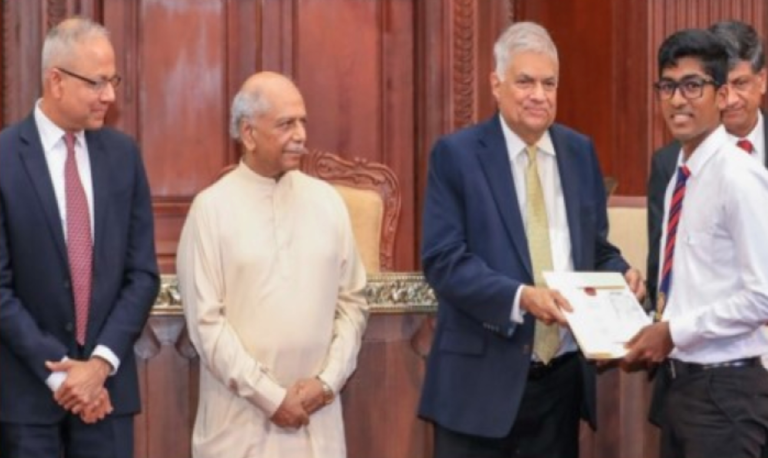
The award ceremony and appreciation of high-achieving students who excelled in the GCE A/L 2021 and 2022 examinations was held today at the Presidential Secretariat, presided over by President Ranil Wickremesinghe and Prime Minister Dinesh Gunawardena.

Students who excelled in each stream at the GCE (A/L) examination in 2021 & 2022 Academic years were presented certificates and cash rewards by President Ranil Wickremesinghe at the Presidential Secretariat where a total of 90 students including the top 10 students from the 6 streams in the 2022 Academic year and the top 5 students from the 6 streams in the 2021 Academic year were rewarded at this event.

Cash prizes of Rs. 50,000 each were distributed to the students securing the first, second and third positions in all six advanced-level subject streams across the country. Meanwhile, students in other positions received cash prizes of Rs. 25,000 each.

In a friendly exchange with these accomplished advanced level students, President Wickremesinghe invited them to share their thoughts on education. One student expressed concerns about the potential brain drain, as many of her friends aspire to pursue higher education abroad, leaving Sri Lanka’s talent pool depleted. She emphasized the need for programs that encourage educated individuals to contribute to the country.

Another student pointed out that the 40-minute time slots allocated for subjects during A-level exams might hinder a deeper understanding of the topics. She suggested that extended hours in supplementary classes might contribute to the perceived success of such programs. Furthermore, she praised the quality of government-provided textbooks at the advanced level and proposed that these materials could be enhanced in tuition classes. She also stressed the importance of incorporating practical applications into the curriculum to retain high-achieving students.

A university student, who excelled in the 2021 A-level examination and is currently in the first year at the University of Moratuwa studying fashion design, raised concerns about job prospects in Sri Lanka after completing a degree in that field. This raised questions about the availability of career opportunities in his chosen path within the country.

He suggested that if the government offers guidance to students when they are selected for universities, it could lead to the formation of a more effective group of students.

During the event, a first-year university student added that the absence of a direct platform for discussing university issues with the government has caused numerous problems. She proposed that a suitable opportunity for such discussions should be provided monthly, which could help reduce misunderstandings and build trust between the government and the university student community.

Another student chimed in, suggesting that providing opportunities for students to make degree-related decisions before the 13-year leading to the advanced level examination could expedite their education, increase their chances of finding employment and promote stability.

In response to the students’ suggestions and ideas, the President expressed his commitment to paying attention to them.

Following the distribution of certificates and cash prizes, the students gathered for a group photograph.

Additionally, the Presidential Secretariat organized a complimentary visit for the students to the Lotus Tower and the Colombo Port City.

The event was facilitated by Mr. Randula Abeyweera, Presidential Director of Youth Affairs and Sustainable Development and attended by prominent officials, including Presidential Senior Adviser on National Security and Chief of Presidential Staff Mr. Sagala Ratnayaka, Presidential Secretary Mr. Saman Ekanayake, Secretary of the Ministry of Education Mr. Nihal Ranasinghe, Secretary of the Presidential Fund Mr. W.A. Sarath Kumar, Commissioner General of Examinations Mr. Amit Jayasundara and several other officials.

Parliamentary Caucus Reviews Measures for Safeguarding National Heritage

0

The Parliamentary Caucus for functioning towards safeguarding National Heritage discuss regarding the measures taken by several institutions for the preservation of national
heritage

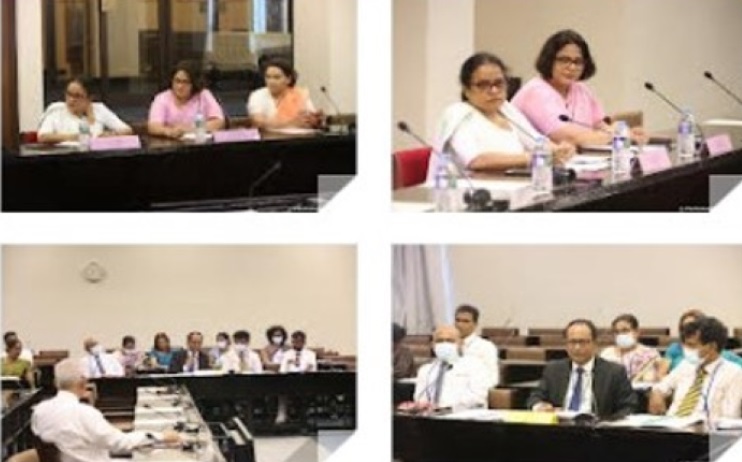
The Parliamentary Caucus for functioning towards safeguarding National Heritage took into discussion the measures taken by several institutions for the preservation of national heritage.

This was discussed when the Parliamentary Caucus for functioning towards safeguarding National Heritage met in Parliament recently under the Chairmanship of Hon. Jayantha Samaraweera Member of Parliament.

Officials representing the Department of Archeology, Sri Lanka Police, Tourism Promotion Bureau, Cultural Affairs Department, Central Environment Authority, Wildlife Conservation Department, Forest Conservation Department, Buddhist Affairs Department, Central Cultural Fund and Department of National Museums were involved for the said.

Furthermore, there was a discussion regarding the places identified as places with archaeological values ​​that are currently destroyed or are likely to be destroyed.

Accordingly, Hon. Jayantha Samaraweera, Member of Parliament recommended that the places which have been gazetted as archaeological sites and those which have not been gazetted and the places which are currently destroyed and the places which are at risk of destruction should be submitted to this Committee district wise.

Furthermore, the creation of an archaeological fund was discussed at the Committee meeting held. Accordingly, the officials present mentioned that the matter is currently being discussed. Moreover, there was a discussion at length about how the other institutions that were called for are working for the preservation of national heritage. State Minister Hon. Sisira Jayakody, Hon. (Dr.) Sarath Weerasekera, Hon. Udaya Gammanpila, Hon. Upul Mahendra Rajapaksha, Hon. Jagath Kumara Sumithraarachchi,

Sri Lankan Ministry of Defence to Provide Lifetime Stipends for Disabled Tri-Forces Personnel and Widows

0

The Ministry of Defence in Sri Lanka has announced that it has put in place necessary arrangements to offer stipends to disabled tri-forces personnel who retire from service due to disabilities incurred during the course of the terrorist war. This stipend will be provided until the age of 55 years and will continue for the lifetime of the serviceman and his widow.

Under the current procedures, if a disabled serviceperson passes away before reaching the age of 55, a medical board must confirm that the cause of death is directly linked to the disability of the individual for the widow to qualify for the aforementioned stipend.

In cases where a disabled serviceperson passes away due to other causes not directly related to their disability, and the medical board cannot confirm a direct link, the widow will be eligible for the Widow’s and Orphan’s Pension, as outlined by the ministry.

In response to numerous requests from affected widows seeking the continuation of allowances and salaries, the Defence Ministry has taken steps to seek Cabinet approval to provide relief to them.

The ministry has urged retired disabled servicepersons and their family members not to be unduly concerned, highlighting that certain groups have attempted to create confusion on this matter.

Furthermore, the Defence Ministry has pledged to take all necessary measures to ensure the welfare of retired tri-forces personnel and their families in the future.

LKR Continues to Weaken Against USD in Commercial Banks

0

In a concerning development, the Sri Lankan Rupee has experienced a further depreciation against the US Dollar at commercial banks in Sri Lanka today, September 13th, in comparison to the previous day.

Peoples Bank has witnessed an uptick in both the buying and selling rates of the US Dollar, with figures escalating from Rs. 314.72 to Rs. 315.45 for buying, and from Rs. 328.85 to Rs. 329.62 for selling.

Meanwhile, according to the Commercial Bank, the buying rate for the US Dollar has climbed from Rs. 314.73 to Rs. 315.72, while the selling rate has also risen from Rs. 326 to Rs. 327.

Contrastingly, at Sampath Bank, the buying and selling rates of the US Dollar have remained stable, with figures standing at Rs. 318 for buying and Rs. 328 for selling.

President Ranil Heads to Cuba for G77+China Leaders’ Summit

0

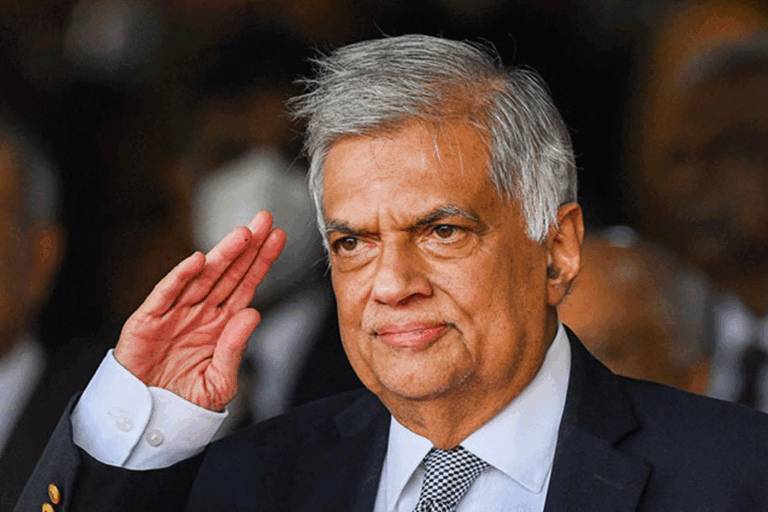
President Ranil Wickremesinghe embarked on a journey to Cuba this morning, September 13th, where he is set to address the prestigious G77+China Leaders’ Summit.

The summit, centered around the theme “Current Development Challenges: Role of Science, Technology, and Innovation,” is scheduled to unfold in Havana from September 15th to 16th, 2023.

President Wickremesinghe’s participation in this summit has been orchestrated through an official invitation extended by Cuban President Miguel Diaz-Canel.

On the sidelines of this crucial gathering, President Wickremesinghe has a strategic agenda that includes bilateral discussions with his Cuban counterpart, aimed at fortifying the bonds of cooperation between the two nations.

The G77+China Leaders’ Summit stands as the most extensive intergovernmental coalition, uniting 134 developing nations, as formally recognized by the United Nations. This influential platform empowers Southern nations to advocate for and advance their common economic interests, bolstering their collective negotiation capabilities.

At the core of this conference lies the opportunity to address pressing challenges in the domains of science, technology, and innovation, with a particular emphasis on fostering inter-Southern collaboration to unearth cooperative solutions.

Anticipated as a hallmark of the summit, the leaders of these nations are expected to adopt the ‘Havana Declaration.’ This pivotal document will chart the course for reforms and innovative approaches, with the ultimate aim of enriching cooperation among Southern countries in the dynamic realms of science, technology, and innovation.

Accompanying the President on this significant diplomatic mission is Ms. Aruni Wijewardena, Secretary of the Ministry of Foreign Affairs, along with a distinguished delegation of senior officials hailing from the Ministry of Foreign Affairs.

Sri Lanka Original Narrative Summary: 13/09

0
  1. President Ranil Wickremesinghe leaves the island to attend the UN General Assembly in New York: before the UN summit, the President is due to visit Cuba to address the G77 + China Leaders’ Summit.
  2. Police DIG Indika Hapugoda says at least 12,000 people die in accidents in Sri Lanka annually, with around 3,000 being attributed to road accidents.
  3. Former Senior Professor at Geology Dept of the University of Peradeniya, Athula Senaratne warns that more large earthquakes may occur in the Indo-Australian tectonic plate where SL is located.
  4. President Ranil Wickremesinghe declares railway services as an essential service with immediate effect, under the Essential Public Service Act: Army personnel deployed to Fort and Maradana railway stations for security: a young person travelling on the roof of the Kandy-Colombo train dies after knocking against the roof of the Horape railway station.
  5. Opposition raises concerns over MP Ali Sabri Raheem, who was recently arrested and subsequently released after being implicated in smuggling a consignment of gold and mobile phones worth Rs. 70 mn into SL, is still functioning as a member of the Parliamentary Committee on Ethics and Privileges.
  6. Cabinet postpones the removal of the Simplified Value Added Tax (S-VAT) system until 1April’25.
  7. Former Mrs. Sri Lanka Pushpika de Silva giving evidence before the Colombo Chief Magistrate says she was shamed in front of the world when the crown she won at the Mrs. Sri Lanka beauty pageant, was forcibly removed from her head.
  8. IUSF blames the Govt for seeking to degrade the quality of medical education in SL by giving approval for the establishment of private sector medical universities: IUSF Convenor Madushan Chandrajith says the Govt is attempting to establish private medical faculties under the guise of expanding new opportunities in the medical sector.
  9. National Livestock Development Board starts the 1st phase of the programme to provide fresh milk to households in the Colombo City and suburbs.
  10. India beats SL by 41 runs in the Asia Cricket Cup 2023 Super Four stage: India – 213 all out (49.1): Wellalage – 40/5: SL – 172 all out (41.3): Wellalage – 42*: man of the match – Wellalage.

SL Army Deployed to Secure Railway Stations Amid Ongoing Strike

0

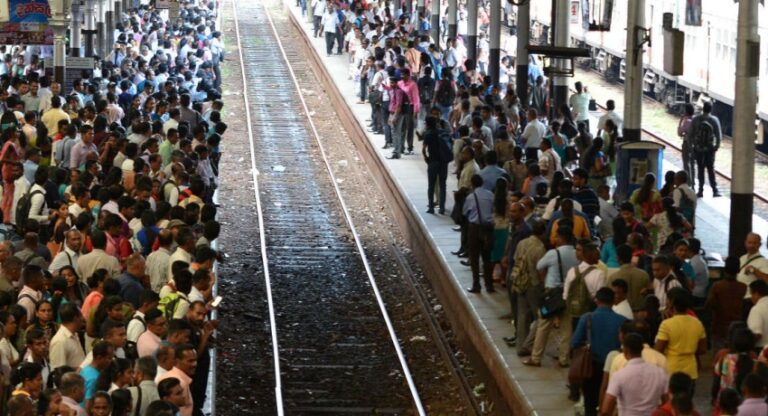
In response to an ongoing strike by the Locomotive Operating Engineers’ Union, Sri Lanka has deployed Army personnel to ensure the security of the Colombo Fort and Maradana railway stations, with the possibility of extending coverage to other stations if necessary, as announced by the Department of Railways.

The strike, which commenced at midnight on Monday, revolves around a series of demands, including overdue amendments to the recruitment process and promotions, which have reportedly been delayed for nearly five years. Consequently, over a hundred train services have been canceled, significantly disrupting the daily commute of passengers and leading to tense situations at various railway stations.

The scarcity of operational trains has led to overcrowding on the ones that are still running, forcing many commuters to resort to train surfing due to the adverse conditions.

A particularly distressing incident occurred at the Maradana railway station, where commuters were left incensed by the railway strike. Tragically, a youth lost his life after falling from the roof of an overcrowded train near the station.

In response to the escalating situation, President Ranil Wickremesinghe took decisive action by issuing a gazette notification. This notification declared public transport services for passengers or goods, as well as the provision and maintenance of facilities for transport services via railway lines, as essential services with immediate effect under the Essential Public Service Act.

Sri Lanka Takes Crucial Step Toward Debt Restructuring with $10 Billion Bond Exchange

0

Sri Lanka has officially accepted offers to exchange approximately $10 billion worth of defaulted local debt for new bonds, according to a statement from the Finance Ministry on Tuesday. This move marks a significant stride towards meeting the prerequisites for debt restructuring ahead of an imminent review by the International Monetary Fund (IMF).

The island nation has been grappling with its most severe financial crisis in over seven decades, triggered by a depletion of foreign exchange reserves to historic lows, leading to a default on its debts in May 2022.

The bonds in question, primarily held by pension funds, were deemed eligible for exchange as part of a domestic debt restructuring initiative unveiled by Sri Lanka in June.

Out of the 8.7 trillion rupees in bonds eligible for exchange, a total of 3.2 trillion rupees have been accepted, as confirmed by the Finance Ministry in its statement. The exchange is scheduled to take place on September 14.

The Finance Ministry’s statement noted, “The success of the Invitation to Exchange will enable the Republic to reduce Gross Financing Needs (GFN) over the next 10 years, thereby contributing to achieving the Republic’s GFN target agreed in the context of the current IMF-supported program.”

An IMF delegation is set to arrive in Colombo on Thursday to commence the evaluation process for the first review of the $2.6 billion four-year program secured by Sri Lanka in March.

Under the auspices of the IMF program, Sri Lanka has set an ambitious goal of restructuring its debt over the next decade and lowering its debt-to-GDP ratio from the existing 120% to approximately 95% by 2032.

However, Sri Lanka’s journey towards debt restructuring still hinges on completing negotiations with key bilateral creditors, including Japan, China, and India, before proceeding with the next phases of the restructuring plan.