Government is set to appoint a green finance committee to raise funds for green finance projects in 2023,as it has been decided to publish a robust roadmap.
President Ranil Wickremesinghe has instructed the appointment of a green finance committee, which will be chaired by Ruwan Wijewardena, Senior Advisor to the President on Climate Change.
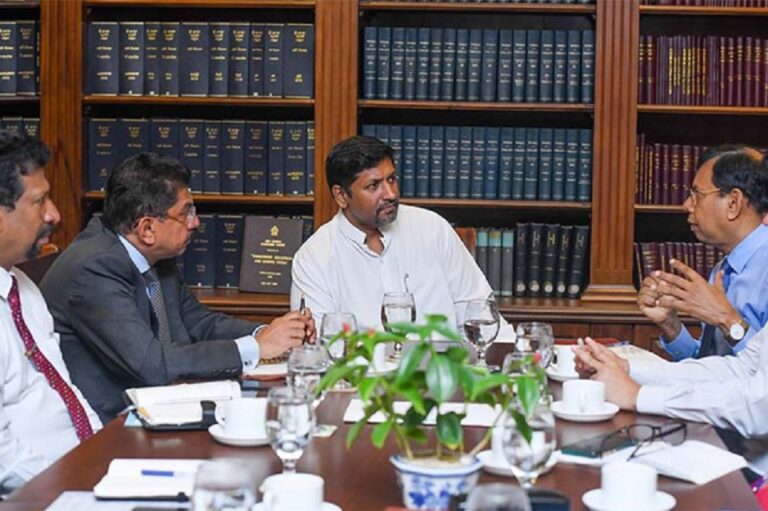
A preliminary discussion was held last morning ( 17) at the Presidential Secretariat, chaired by Wijewardena.
Green finance involves directing financial resources to address climate change challenges and to transition towards a low-carbon economy.
The Roadmap on Green Finance aims to merge ongoing processes like green finance, green bonds, climate finance, etc., into a single platform with a clear scope, measures, and targets. During the discussion, significant attention was given to these issues.
The Central Bank of Sri Lanka has already launched the Sri Lanka Green Finance Taxonomy, a classification system, which defines and categorizes economic activities that are environmentally sustainable, and is a key action item outlined in the Roadmap for Sustainable Finance of Sri Lanka introduced by the Central Bank in 2019.
The Taxonomy has been prepared in line with the international best practices, while harmonizing for local context, hence it is expected to enable financial market participants to raise low-cost funding for green activities through both domestic and foreign markets.
The Sri Lanka Green Finance Taxonomy would be applicable to all domestic and foreign market participants offering financial products (such as bank lending, debt instruments, portfolio management, and investment funds), large corporations, as well as national and local government bodies.
t can also be used as a reference by the industrial planning authorities and served as the basis for local governments to support green industries covering a range of economic activities such as Forest and Logging, Agriculture, Manufacturing, Electric power generation, Transmission and distribution, Gas, steam and air conditioning supply, Water supply, sewerage and waste management.
Construction, Transportation and storage, Financial services and Tourism and recreation. The Sri Lanka Green Finance Taxonomy was developed with the technical and financial assistance of the International Finance Corporation (IFC), and the process was facilitated through the Sustainable Banking and Finance Network (SBFN) and the IFC Green Bond Technical Assistance Program (GB- TAP).
The Sri Lanka Green Finance Taxonomy is a a critical tool to guide financial institutions, investors, corporates and green-bond issuers to navigate the transition to a low-carbon, climate-resilient, and resource efficient economy.
Govt to appoint Green Finance Committee to develop 2023 climate funding roadmap
Legal action to claim US$ 50 million compensation for X-Press Pearl disaster
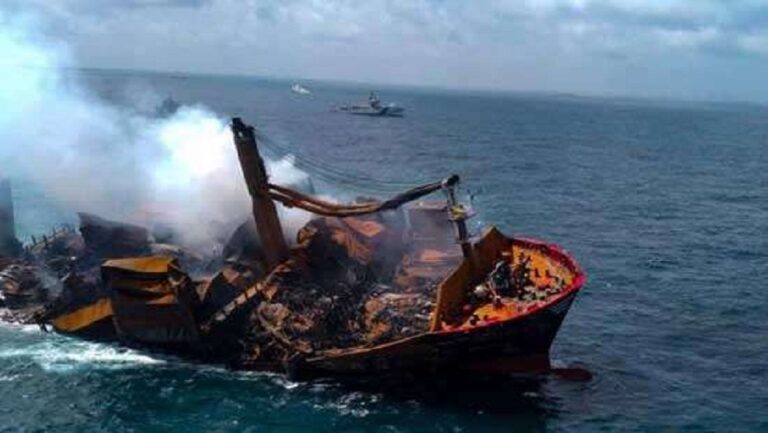
The government will submit an initial claim for US$ 50 million as compensation from the owners/insurance agents of the X-Press Pearl vessel, which was destroyed in a blaze in Sri Lankan territorial waters, a top government official said.
The Marine Environment Protection Authority has been informed that the Attorney General, in collaboration with the Ministry of Justice, has obtained approval of the Cabinet to file civil action in Singapore.
A three-member Expert Advisory Panel has been appointed to expedite the civil action on MV X-Press Pearl disaster that occurred on 19 May 2021, where the vessel finally sank near Bopitiya, North of Colombo.
The Marine Environment Protection Authority’s (MEPA) newly-appointed Chairman, Asela B. Rekawa, has appointed the expert advisory panel, in view of the impending expiration of the prescription period of two years from the date of the MV X-Pearl incident and the paramount importance of speedy action on 23 January 2023.
The expert legal advisory panel is to extend views with regard to the specific matters, such as considering the prescription period and giving their opinion on the possible and probable repercussions caused by any delay in filing suitable action, whether a letter of demand should be sent to the ship owners
They will advise the MEPA on whether the MEPA needs to submit a claim to the insurance company, whether it is better suited to file action in Sri Lanka than in Singapore or both countries and the best possible approach and counsel to appear on behalf of MEPA.
Sri Lanka has received $2.5 million in the third interim payment for the impacts caused by the sinking of the X-Press Pearl cargo vessel off the country’s western coast 14 months ago.
This is the third tranche of compensation, but Sri Lankan authorities say a much larger claim for the environmental damage is still to be filed.
The latest payment brings the total paid by the ship’s insurer to $7.85 million. Sri Lanka received $3.6 million in July 2021, shortly after the June 2 sinking that was caused by a fire on board the Singapore-flagged X-Press Pearl, and another $1.75 million in January last year .
The two experts in the field of Law and Maritime Law include President’s Counsel Roland Perera PC and Dr. Dan Malika Gunasekera.
As per Section 50 of the Marine Pollution Act No. 35 of 208, the prosecution of a criminal matter should be carried out by the official of the Attorney General and all cases should be filed in the High Court, as per Section 48, subsequent to the fire onboard the ship incident which occurred on or about 20 May 2021.
The MEPA said it submitted the file to the Attorney General seeking advice on necessary action. The criminal matter is handled by DSG Madhawa Thennakoon and the Civil Case is handled by ASG Vikum de Abrew.
IMF to consider the US$2.9 billion loan approval for SL without Chinese debt relief
The International Monetary Fund (IMF) is likely to approve a loan for Sri Lanka, even without China’s assurance of debt-restructuring support to unlock the US$.2.9 million bail out loan, several officials connected to negotiations said.
In an extraordinary policy action, the international lender is compelled to consider approving the island nation’s loan, as the only prerequisite hindering the go-ahead is China’s formal assurance, several familiar with the matter disclosed.
The International Monetary Fund’s strategy director said the goal of a new sovereign debt panel of creditors and borrowers met on Friday in India to try to reach understandings on common standards, principles and definitions for how to restructure distressed country debts.
Ceyla Pazarbasioglu, director of the IMF’s Strategy, Policy and Review Department noted that the Global Sovereign Debt Roundtable does not intend to discuss country-specific debt restructuring issues, but to address some of the broader impediments that have been delaying such relief.
“The Sri Lanka finance ministry and central bank authorities continue to seek from their official bilateral creditors financing assurances so that the Fund’s Executive Board can consider their request for an IMF arrangement,” an IMF spokesperson disclosed.
The lender said it was premature to discuss the precise IMF policy modalities that could be applied, adding that IMF staff continue to engage with Sri Lankan authorities on completing upfront policy measures.
“The Sri Lankan authorities continue to seek from their official bilateral creditors financing assurances so that the Fund’s Executive Board can consider their request for an IMF arrangement,” an IMF spokesperson said in a statement.
The news the IMF may consider extending aid without assurances from China comes ahead of U.S. Treasury Secretary Janet Yellen’s visit to India next week for G20 finance meetings, where the United States is reportedly going to focus on unblocking debt restructuring for distressed countries.
China today is the world’s largest bilateral lender, with most of it to developing economies and now a growing share of it coming under renegotiation.
Some reports suggest that as much as $118 billion in Chinese overseas loans have come under renegotiation since 2001, and according to some estimates this is 1 in every 4 dollars lent by China.
China provides debt relief and restructure through different ways – as part of the G-20 Debt Service Suspension Initiative (DSSI), through the Forum on China-Africa Cooperation (FOCAC), by way of ad-hoc relief, and contributing to the IMF’s Catastrophe Containment and Relief Trust (CCRT).
Through the DSSI, China has given debt service suspensions of around $1.3 billion in 23 countries (16 of which are in Africa).
On an ad-hoc basis China has provided debt relief to countries like Ecuador and Venezuela, where it extended grace periods and restructured maturing oil-backed loans.
However, China has been reluctant to offer generous debt restructuring on interest-bearing loans.
Chinese lenders like China Exim bank and China Development Bank typically treat restructuring or cancellation on a case-by-case basis.
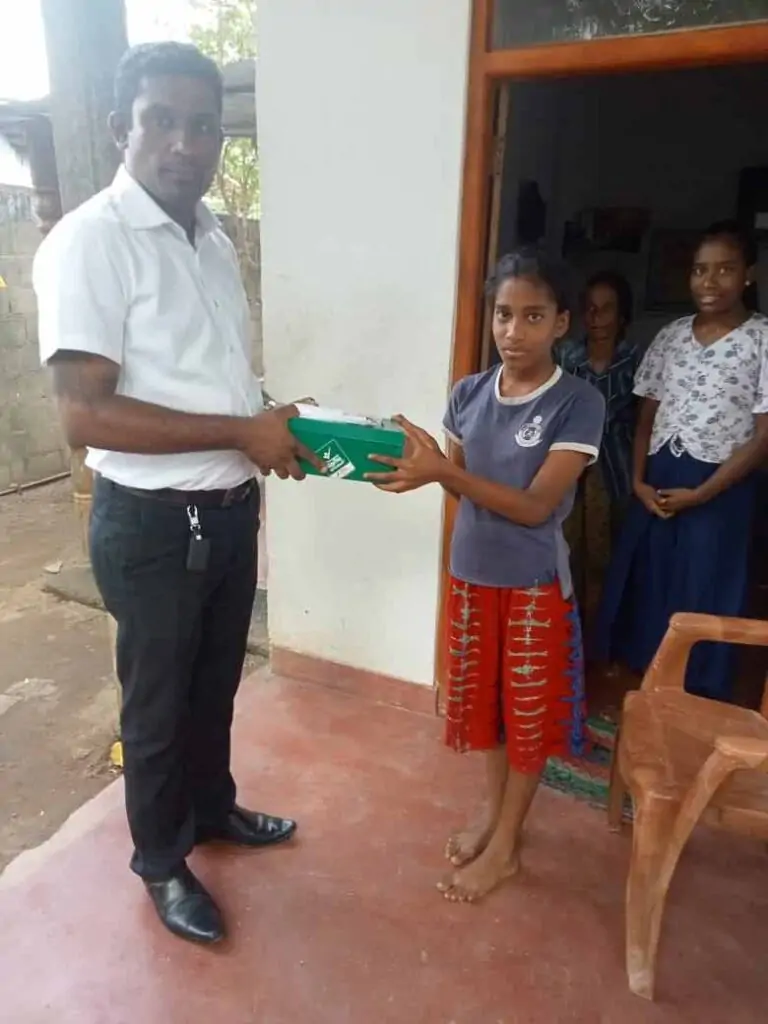
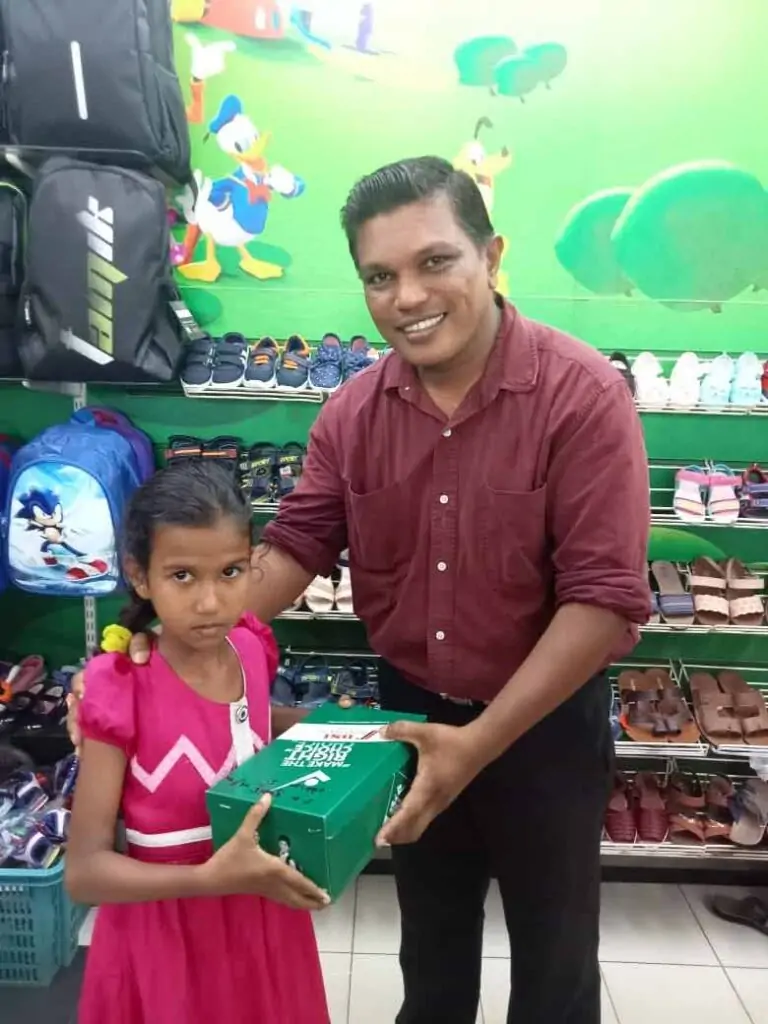
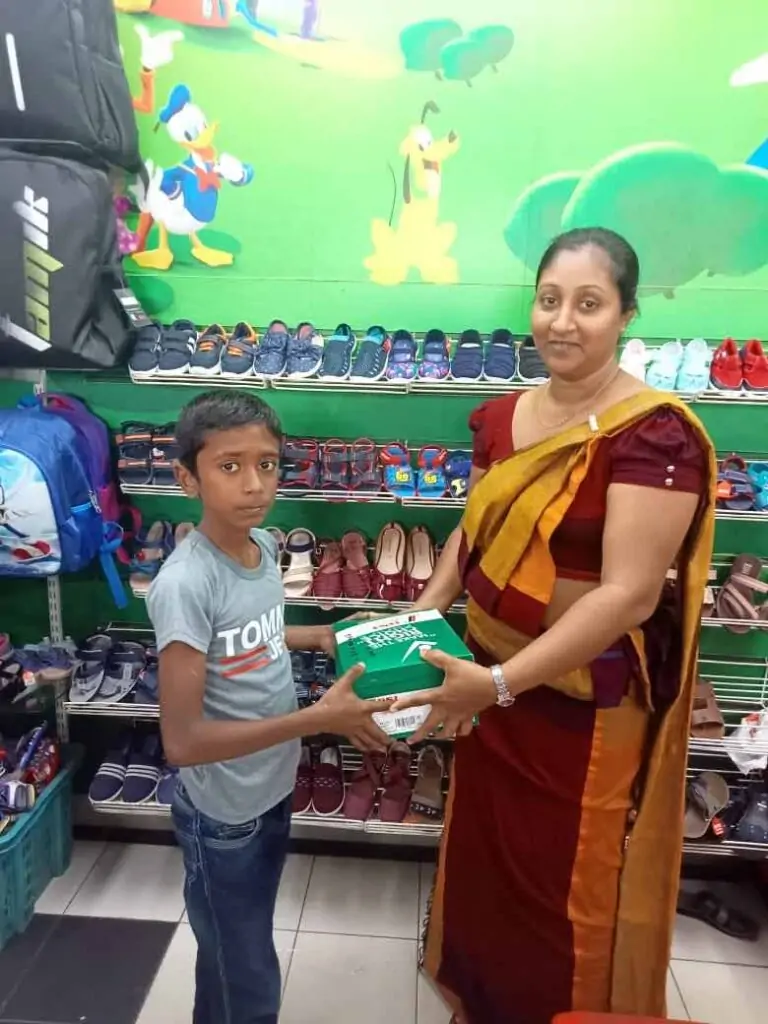
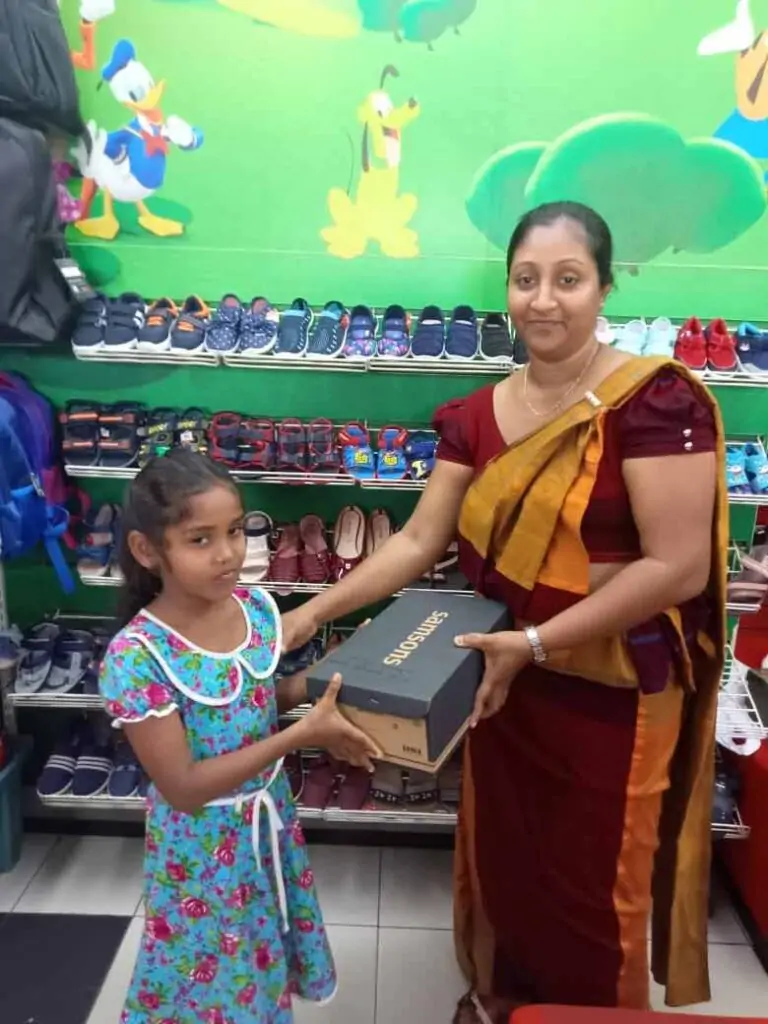
NELUM YAYA CSR: School shoes for 25 students from Mahiyanganaya education zone
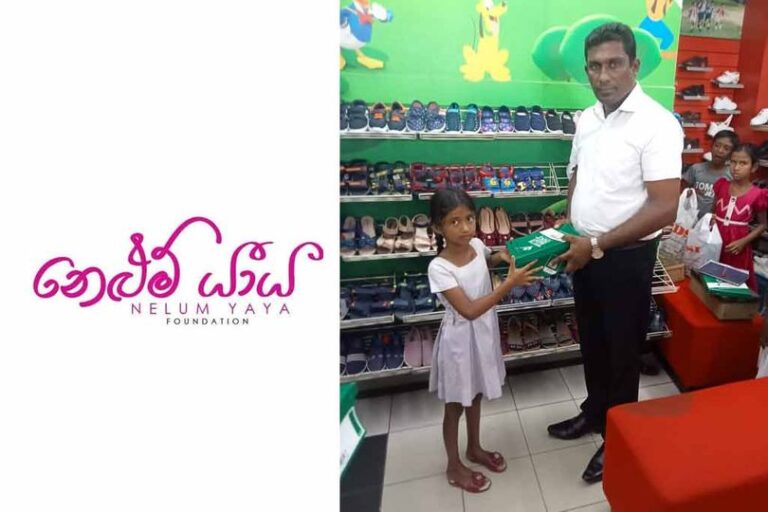
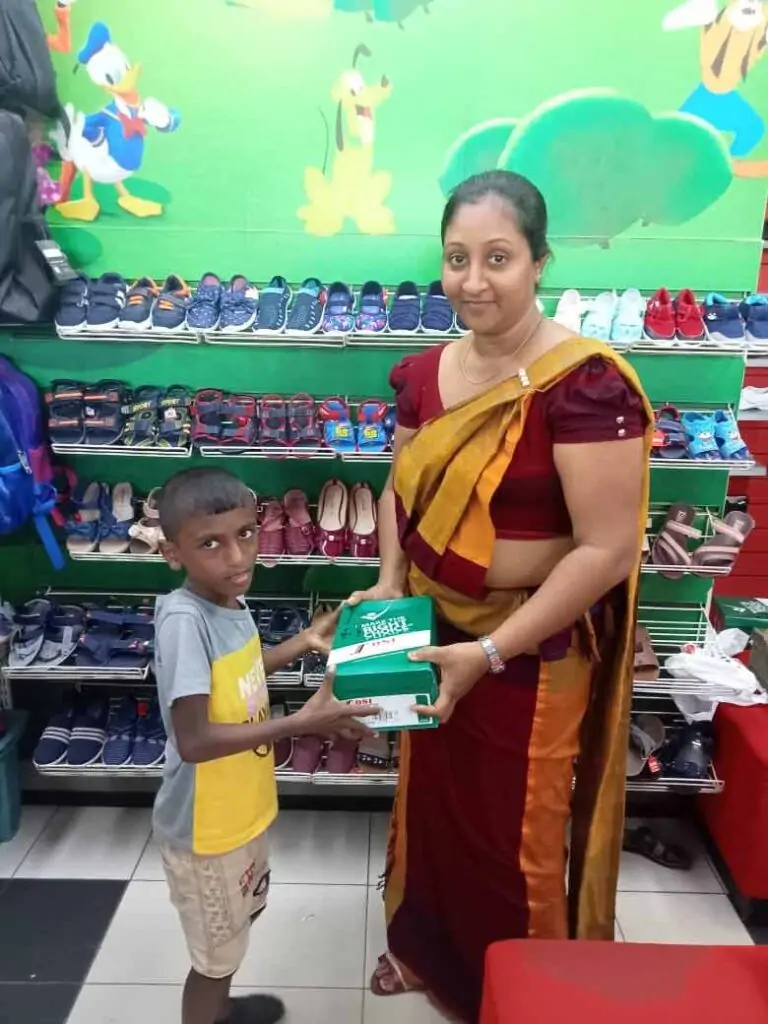
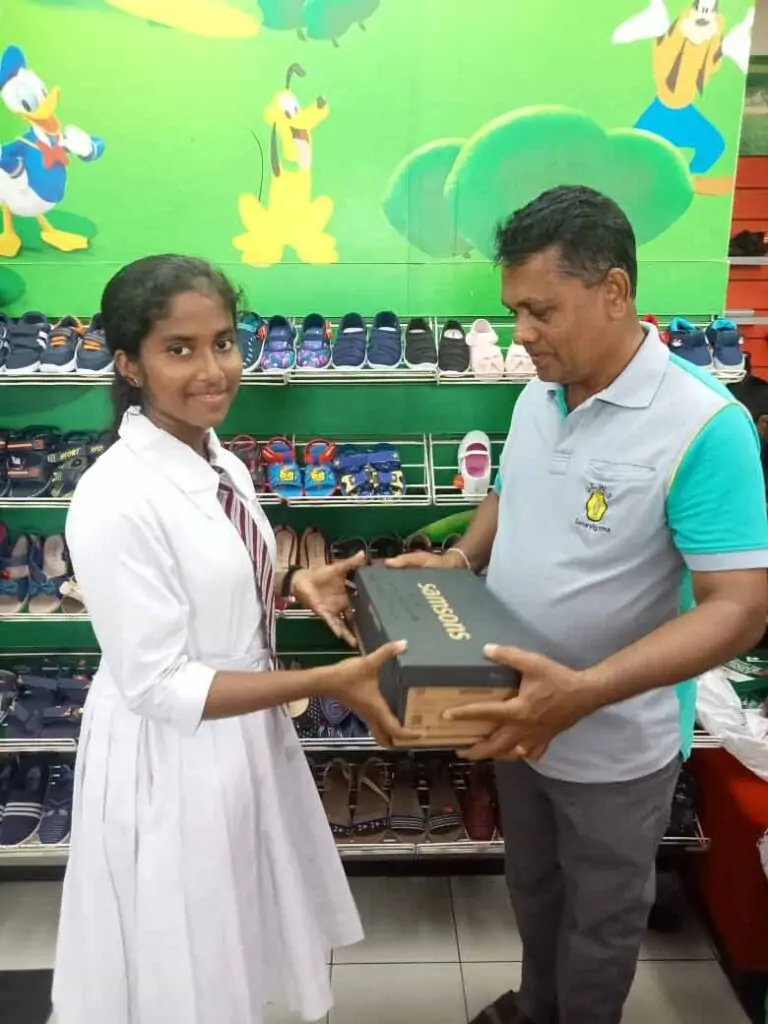
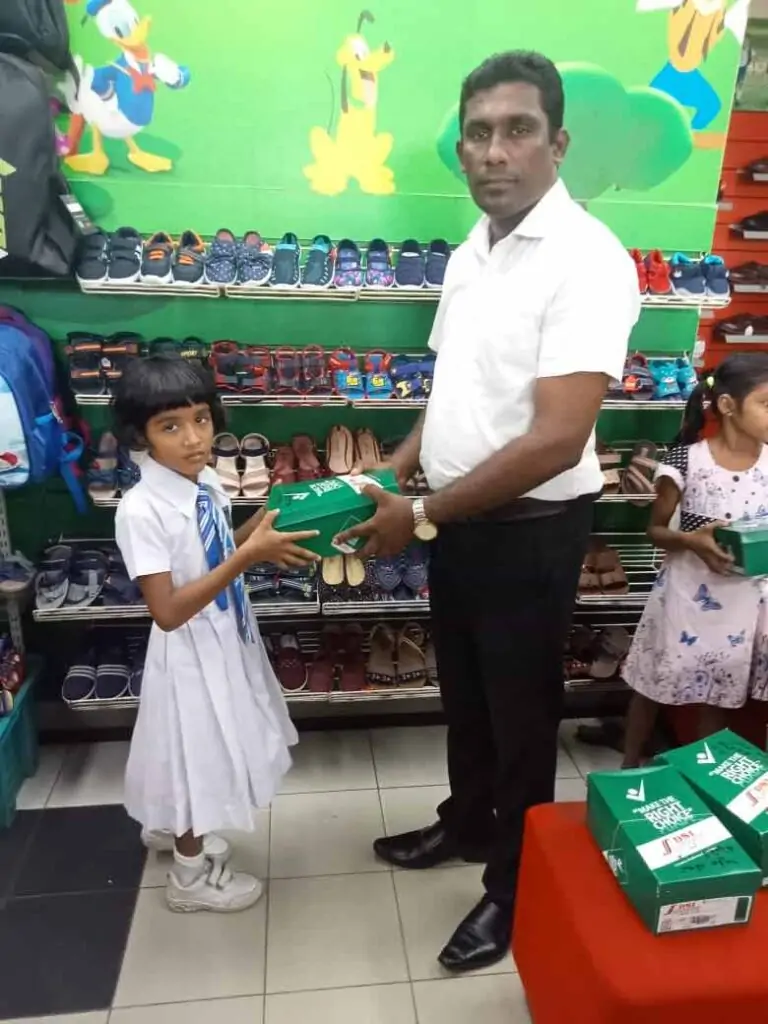
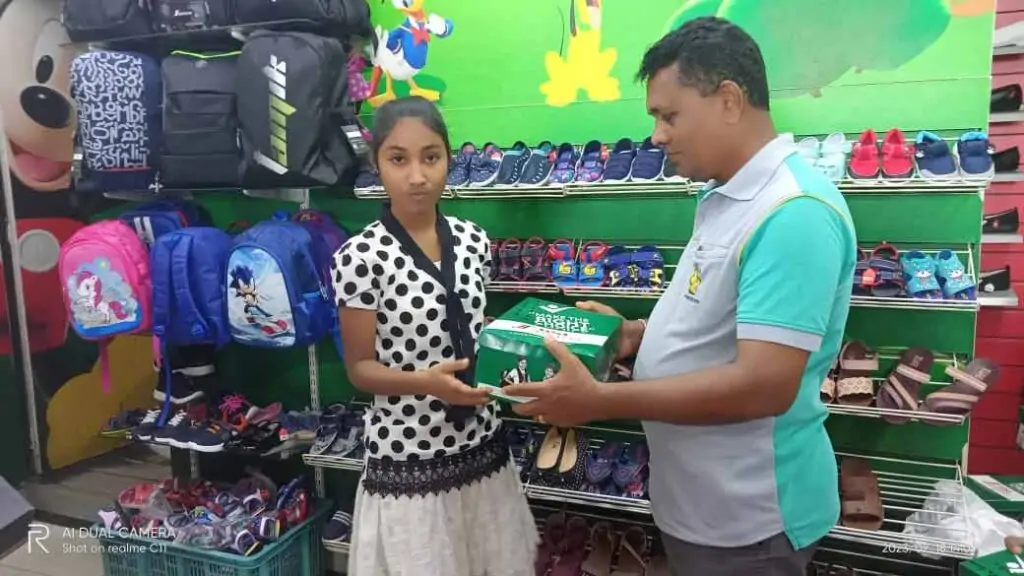
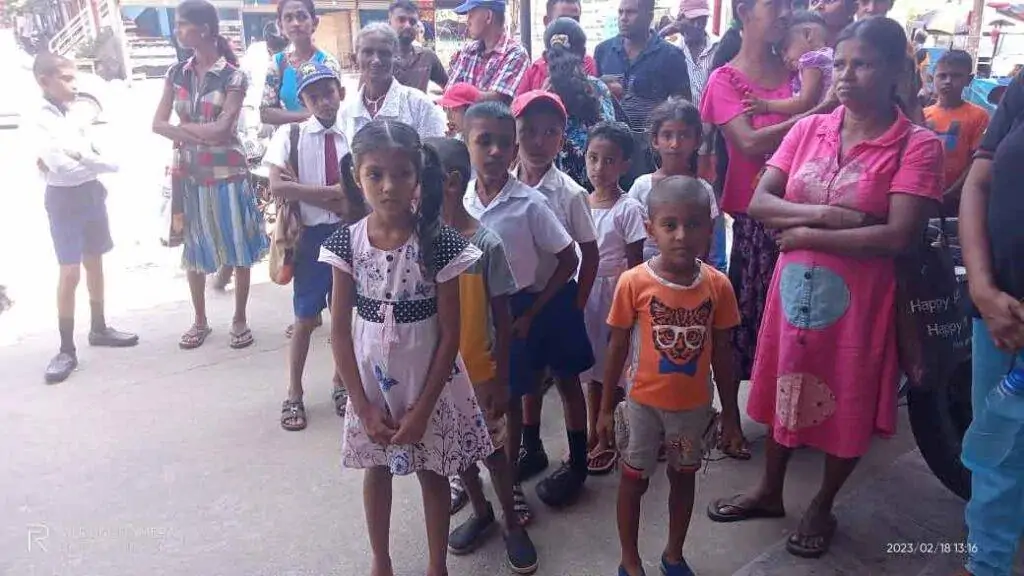
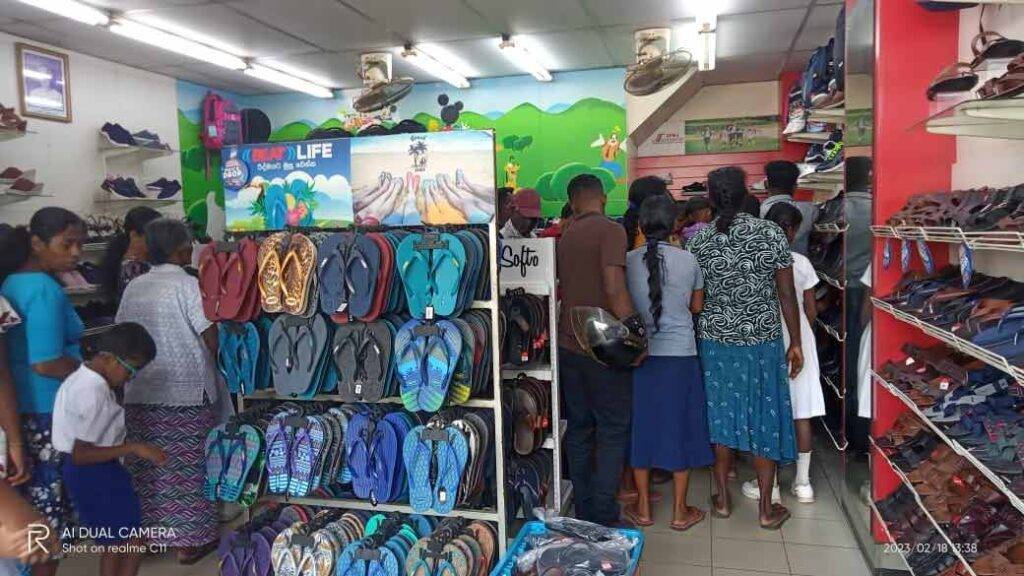
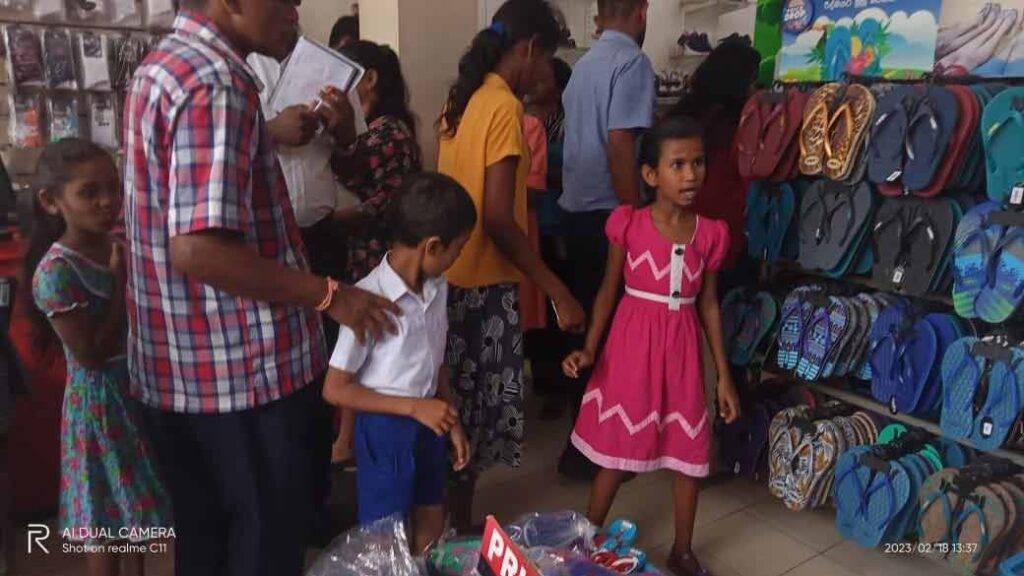
Through Nelum Yaya Foundation’s CSR program this year, school shoes are provided to 84 schools belonging to Mahianganaya and Ridhimaliyadda education zones, which are located in Badulla District, Uva Province, which has the least population in Sri Lanka.
Accordingly, on the occasion of the birthday of the founder of Nelum Yaya Foundation and the CSR Program, school shoes worth Rs. 103,715 were given to 25 identified children with economic difficulties studying in Mahiyangana Primary School, Senanigama Primary School, Siddhartha Primary School, Mahiyangana National School and Dambara College.
Nelum Yaya implemented the first phase of the program earlier this year and we donated school shoes for 10 economically challenged children who were identified through the principals of Bhaddatta Secondary School of Mahianganaya Sora Bora Colony, Mahianganaya National School and Arawatta Junior College.
Nelum Yaya Foundation – 0114 342 646 [email protected]

Sri Lanka Participates in the 16th Tehran International Exhibition of Tourism and Related Industries
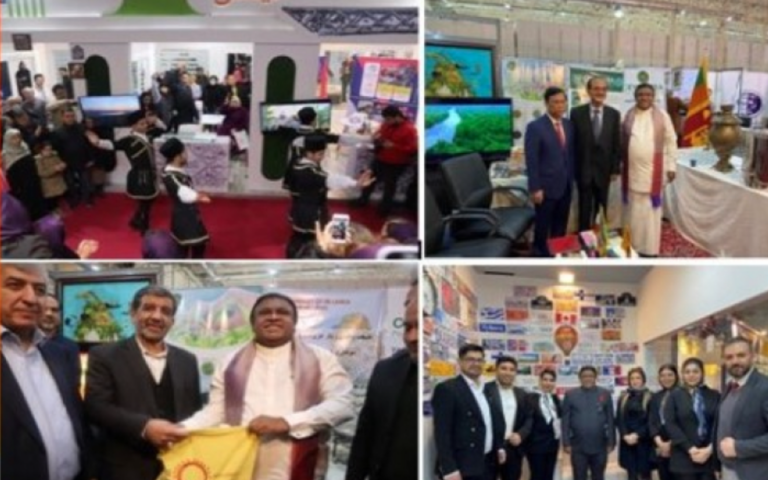
The Embassy of Sri Lanka in Iran, with the assistance of the Association of Air Transport & Tourism Agencies of Iran and the Sri Lanka Tea Board, successfully organized Sri Lanka’s participation in the 16th Tehran International Exhibition of Tourism and Related Industries held from 07-10 February 2023 at the Tehran International Fairground in Iran.
More than 30,000 visitors representing 45 countries participated in the event and about 200 domestic and foreign exhibitors including Tehran based diplomatic missions, travel agencies, airlines, cruise lines, hotels, insurance services, travel, hospitality & tourism faculties of several universities showcased their services.
The Sri Lankan Pavilion of the exhibition was declared open by Minister of Cultural Heritage, Tourism and Handicrafts of Iran Ezzatollah Zarghami with the participation of senior Government officials, members of Iran Tourism Association, diplomats, Iran travel agents and tour operators. The Pavilion portrayed Sri Lanka’s attractive tourism themes and a variety of unique products . All visitors to the Pavilion also had an opportunity to gather more information on tourism through promotional videos, “So Sri Lanka” brochures, leaflets from Sri Lankan travel companies and presentations made by the Sri Lanka Embassy staff.
At the press conference arranged by the organizers of the Tourism Exhibition, Ambassador G.M.V. Wishwanath Aponsu highlighted Sri Lanka’s natural beauty, rich culture & arts, ayurveda medicine & herbal drinks, traditional Sri Lankan cuisine etc. While briefing on the recent developments of the tourism industry in the country, the Sri Lankan envoy requested all tourism stakeholders in Iran to promote tourism and encourage Iranian tourists to visit Sri Lanka expecially during the upcoming Nowruz holiday season-March 2023 (Persian New Year).
Ambassador Wishwanath Aponsu had meetings with heads of travel & tourism faculties of universities based in Tehran, senior officials of the Iran Tourism Ministry, Chairman of the Association of Air Transport & Tourism Agencies and country managers of airlines and key travel agents in Iran. After the Ambassador’s comprehensive briefing that highlighted a 75% growth of Iranian tourist arrivals to Sri Lanka in 2022 compared to the year 2019, all tourism stakeholders assured their fullest support to uplift the two-way tourism between Iran and Sri Lanka for mutual benefit.
The Ceylon tea counter arranged by the Embassy with the assistance of the Sri Lanka Tea Board was very popular among the visitors. The counter displayed seven assortments of tea from the main seven tea growing regions of NuwaraEliya, UdaPussellawa, Dimbula, Uva, Kandy, Sabaragamuwa and Ruhuna and freshly brewed “Ceylon tea” with other refreshments was offered to high-level dignitaries and visitors during the opening day of the Exhibition. Promotional tea samples and Ceylon tea brochures were also distributed among the visitors.
The Tehran International Exhibition of Tourism and Related Industries is the largest professional tourism exhibition hosted by the Islamic Republic of Iran under the auspices of the Ministry of Cultural Heritage, Tourism and Handicrafts. It is regarded as a meeting place for tourism professionals and service providers from the tourism industry to promote incoming, domestic and outgoing tourism.
Embassy of Sri Lanka
Tehran
Defence Advisor at Bangladesh High Commission in Sri Lanka calls on Commander of the Navy
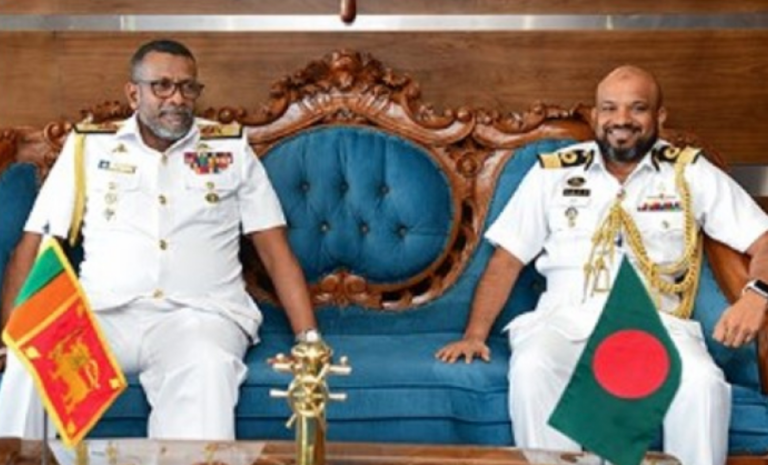
The Defence Advisor at Bangladesh High Commission in Sri Lanka, Commodore MD Shafiul Bari called on the Commander of the Navy Vice Admiral Priyantha Perera at the Navy Headquarters in Colombo (14th February 2023).
During their maiden official interaction, Vice Admiral Priyantha Perera and Commodore MD Shafiul Bari exchanged views on several matters of bilateral importance. Naval Assistant to Commander of the Navy Commodore Kosala Warnakulasooriya was also present on this occasion.
At the end of the cordial discussion mementoes were also exchanged as a symbol of cooperation and goodwill.
A statement on applying for the GCE Ordinary Level examination
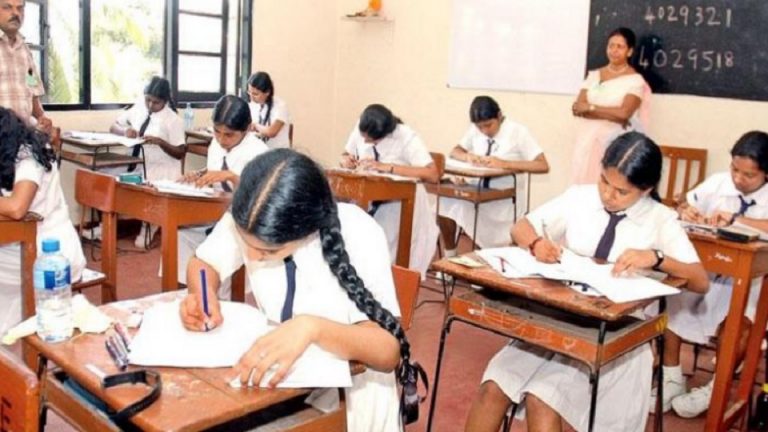
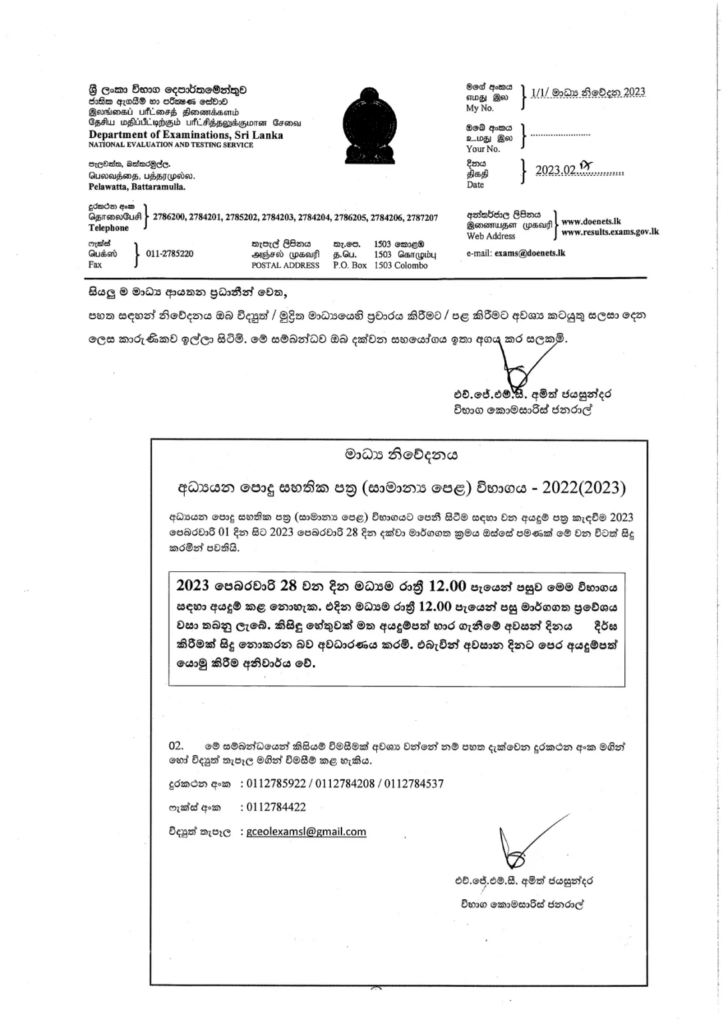
The call for applications for the GCE Ordinary Level examination is scheduled to end on February 28 at 12.00 midnight.
The department issued a statement emphasizing that the period for accepting applications will not be extended for any reason.
Green Finance Committee to Develop 2023 Roadmap for Climate Funding
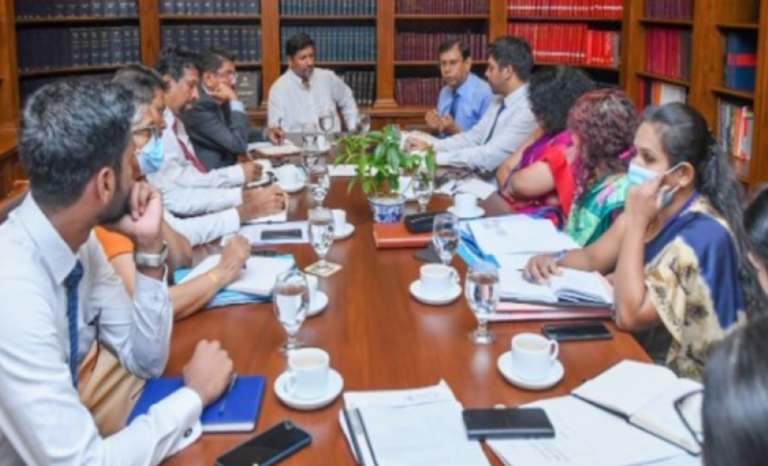
To raise funds for green finance projects in 2023, it has been decided to publish a robust roadmap. President Ranil Wickremesinghe has instructed the appointment of a green finance committee, which will be chaired by Mr. Ruwan Wijewardena, Senior Advisor to the President on Climate Change.
A preliminary discussion was held yesterday morning ( 17) at the Presidential Secretariat, chaired by Mr. Wijewardena.
Green finance involves directing financial resources to address climate change challenges and to transition towards a low carbon economy. The Roadmap on Green Finance aims to merge ongoing processes like green finance, green bonds, climate finance, etc., into a single platform with a clear scope, measures, and targets. During the discussion, significant attention was given to these issues.
Several officials, including Senior Additional Secretary to the President Chandani Wijewardene, Additional Secretary Vernon Perera, and others, were present at the discussion.
A former deputy minister sentenced to 6 months in prison

The Colombo High Court has sentenced former Deputy Minister Myown Mustapha to 6 months rigorous imprisonment for the charge of bribery of 42 lakh rupees to National Freedom Front Member of Parliament Mohammad Mussammil to induce him to support Sarath Fonseka, one of its candidates in the 2010 presidential election.
Announcing the judgment of the case yesterday (17th), Colombo High Court Judge Aditya Patabandige further ordered that Myown Mustapha’s citizenship rights be revoked for 7 years.
He was also fined 500 rupees.
After a long trial, the verdict was announced and the judge stated that the allegations against the accused have been proved beyond reasonable doubt according to the phone conversations and CCTV footage presented as evidence in the case.
Sri Lanka Original Narrative Summary: 18/02

- Foreign media reports indicate the IMF is considering approving Sri Lanka’s bail-out without the formal assurance of debt-restructuring support from China, as contemplated by the IMF.
- Government Printer says it will not be able to print ballot papers required for the Local Government Polls if the Treasury is unable to release money: postal voting scheduled for 22, 23, 24 & 28 Feb postponed: new dates to be announced later says the Elections Commission.
- Appeal Court rejects Writ Application challenging the Cabinet decision to increase the electricity tariffs as proposed by the CEB.
- Colombo Additional Magistrate orders the appointment of a 5-member expert committee comprising Judicial Medical Officers to prepare a report as there are contradictions in the post-mortem reports of well-known businessman Dinesh Schaffter.
- Tea exports down by 9.4% from a year ago to 17.6mn kg in Jan’23, as the industry experiences the lagged effect of lack of chemical fertilizer and weedicide: however, due to the Rupee depreciation, rupee earnings rise 96% to Rs.17.7bn, while export earnings rise to USD 99.6mn in Jan’23 up from USD 91.9mn a year earlier.
- Energy Minister Kanchana Wijesekera says that connecting the national energy grid of Sri Lanka with the Indian grid will not cause any risk.
- Rebel SLPP MP and former Foreign Minister Professor G L Peiris says the recent resignation of Ministers Wijeyadasa Rajapaksa & Ali Sabry from a Ministerial Subcommittee inquiring into the procurement of coal for Lakvijaya coal-fired power plant complex at Norochcholai reveals the failure on their part to take tangible action against corruption.
- Joint Apparel Assn Forum says its members are extremely concerned about the impact of the electricity tariff: asserts the move by the electricity regulator to approve another tariff hike has sent shock-waves across the nation: laments the massive hike will be detrimental for all sectors of the economy.
- Medical professionals allege the Ministry of Health had decided to postpone surgeries which the Ministry claimed to be non-essential and non-urgent based on medical advice in view of the shortage of pharmaceutical drugs and medical equipment, without consulting the relevant parties including general surgeons.
- Economists say the Govt will have to choose between increasing taxes further or borrowing more, when the “money printing” by the Central Bank is stopped under an IMF programme: assert the Govt is likely to opt for borrowing more which would lead to a further spike in the country’s interest rates.