Leading Korean Organic and Bio Company has expanded its largest organic fertilizer manufacturing plant in Pannala.
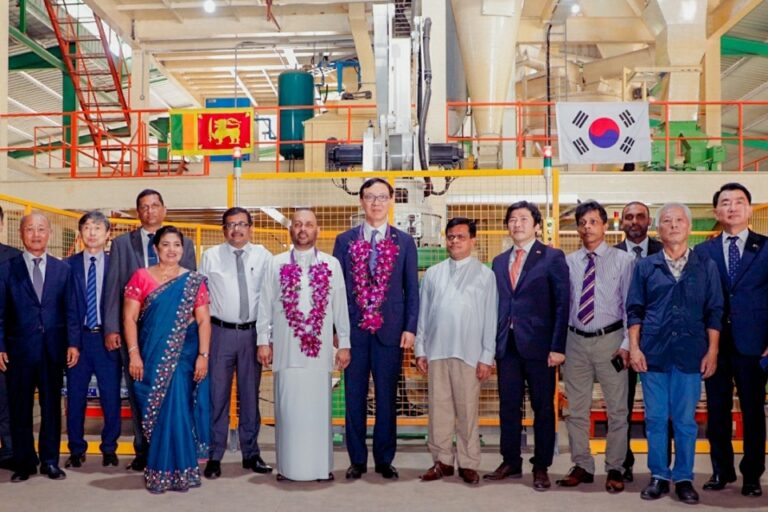
Korean Envoy Santhush Woonjin Jeong on Monday attended the inauguration ceremony of a Korean company in Sri Lanka, Hyosung Organic and Bio’s (Hyosung ONB) New Expansion Fertilizer Plant in Pannala.
To mark this remarkable occasion, Agriculture Minister Mahinda Amaraweera, State Minister of Agriculture Mohan Priyadarshana de Silva, Ministry of Agriculture Secretary Gunadasa Samarasinghe and Hyosung ONB Representative Moon Hyun Park, were present among other dignitaries.
At the inauguration ceremony, Korean Ambassador Santhush Woonjin Jeong congratulated on the new expansion fertilizer plant of Hyosung ONB and commended its contribution to the development of the agricultural sector in Sri Lanka.
“This is a great example of Korea’s state-of-the-art technology being used to realize Sri Lanka’s potential with its rich human capital.
The world is making environmentally conscious choices and the agricultural standards are set to produce chemical-free, sustainable food products.
Investment in innovation and technology is vital to transforming the agricultural sector.
“This plant uses fully automated state-of-the-art technology as well as a process and packaging system for an uninterrupted supply of organic fertilizer.
As Sri Lanka’s largest organic fertilizer manufacturing plant, I am sure that it will support the Sri Lankan people and its economy in achieving a future free of chemicals and a healthier nation.
“The Korean Government is now encouraging Korean companies to promote exports and investment cooperation with other countries including Sri Lanka by establishing and promoting a Task Force led by the President of Korea.”
Agriculture Minister Mahinda Amaraweera appreciated the efforts by Korean companies to uplift the Sri Lankan agricultural sector by establishing the first and biggest organic fertilizer manufacturing plant in Sri Lanka.
This invaluable investment will not only help the farmers to reap successful results but also strengthen the bilateral economic engagement.
Minister Amaraweera also commended the Korean Government’s development cooperation with Sri Lanka and the immeasurable support given to uplift the agriculture industry.
Hyosung ONB Representative Moon Hyun Park stated: “This plant in Sri Lanka is fully automated like the plant in Korea and the production capacity is 200 MT per day.
Many countries including Sri Lanka are recognizing the importance of switching from chemical fertilizers to organic fertilizers and are showing interest in organic fertilizers.
“The organic fertilizer subsidy system introduced by the Sri Lankan Government helped us immensely. I am hoping to reinvest all profits from fertilizer to develop the agricultural industry in Sri Lanka.”
SL’s largest organic fertilizer production facility expands with Korean aid
Sri Lanka’s Independence Day 75 years of missed opportunity and the way forward

An Overview of Sri Lanka’s 75 Years History
Whilst enveloped in deep socio-economic crises caused by the successive inept and divisive political leadership in power, since the island country gained its independence from the British colonial rule, in February 1948, the preparations are afoot to celebrate the diamond jubilee of the existence of the country, as a free nation.
At the time Sri Lanka, then known as Ceylon, was granted independence with the dominion status, it was a prosperous country with a comparatively strong economy. The country was regarded as one destined to be a model amongst the nations gaining their freedom from the colonial masters, after the second world war. The trend was to decolonize the nations from the yoke of centuries of colonial rule of the European powers, some benign and some not so benign.
The grant of independence to Sri Lanka was hurried and ill-thought through. The governance of the independent Ceylon as envisaged was nothing but a change from the colonial rule to the neo-colonial rule of the Sinhala nation with a hardened Sinhala Buddhist chauvinism.
The Soulbury constitution which was the framework for the governance of Ceylon was most inappropriate as it failed to recognize the existence of the two distinct nations – the Sinhala nation and Tamil nation. It created a situation where the nations were reduced to the majority and minority communities. The Tamil nation was left at the mercy of the Sinhala nation who were handed over the gift of a perpetual supremacy simply on the basis of numbers. Even basic safeguards to protect the interest of the Tamil nation were not written into the constitution except for a confused clause preventing “the majority community” enjoying privileges which were not extended to the “minority communities”.
The Soulbury constitution which was largely a replica of the unwritten Westminster styled constitution totally distorted the socio-political realities of Ceylon. Soon after the independence the Sinhala Buddhist government of the day took steps to ensure that a well pronounced section of the Tamil nation, who were the backbone of the then economy of Ceylon lost their citizenship. This was aimed to reduce the representation of the Tamil nation in the governance of the newly independent nation.
This was the first step in their long journey to deprive the Tamil nation of their rightful place in the economy education, employment and the political life of the country. The introduction of the constitutions in 1972 and 1978 further marginalized the Tamil nation from the body politic of the Sinhala led unitary state. These took away even the basic safeguards provided by the Soulbury constitution. The current socio political crises of the nation is a result of these deeply sectarian approach of the Sinhala Buddhist led governments.
The Tamil nation reacted to this initially by entering into political dialogue. On realizing that the democratic concepts hardly had an impact on the thought process of the Sinhala nation, by then, well intoxicated with the political power gained over the decades, took to arms as the last resort to prevent the decimation of the Tamil nation. The sixth amendment to the 1978 constitution took away even the breathing space for the Tamil nation to express its political will. The main justification for the armed struggle is the sixth amendment. If the parliament ceases to be forum where else the long oppressed Tamil nation can voice its political expression?
The international community is well aware of the brutal reaction of the Sinhala nation to the legitimate expression of the political will of the people of the Tamil nation for us to repeat those here. Suffice is it to say that every armed struggle is not an act of terrorism.
The post war oppression continues unabated. The state aided colonization continues to distort the demography of the traditional Tamil homeland and the heavy presence of the armed forces takes away even the semblance of the life without fear.
The planned lobsided economic development over the decades has left the peoples of the Tamil nation the “poor cousins” of the Sinhala nation.
The war reparation, restoration of the civil society, and the accountability from the war crimes are foreign concepts to the Sri Lankan government.
Even the attempt to implement the watered-down Indo Sri Lanka accord in the form of the “13th Amendment” is now being vociferously objected to by the Buddhist clergy. Sadly, this is not a new phenomenon.
In nutshell, the democracy is practiced in Sri Lanka only in the breach and any hope of a internally evolved solution to the political crises in the island of Sri Lanka is fast disappearing, if not its has already disappeared.
The international community must not allow itself to be misled by the Sinhala nation any longer. The history of the island of Sri Lanka is too dire to be ignored by the civilized nations of the world.
The international community must realise that continuing to support Sri Lanka in its current form will not bring prosperity to the country. For the Sinhala nation the current crisis is socio economic but for the Tamil nation, it is an existential crisis.
Unwarranted Defence Expenditure – A Main cause to Sri Lanka’s Current Crisis
Among the several causes of Sri Lanka’s failure to secure its economic stability, the defence expenditure remains a major factor.
The cycles of violence culminated in anti-Tamil pogrom of July 1983 and then the genocidal war of three decades, the effect of which will not be easily erased from Tamil peoples’ memory for several generation to come.
Continued and the concerted military occupation of traditional Tamil homeland in the North & East make the return to normalcy impossible.
While the international community gallops to save Sri Lanka from its current crisis, it must take note of the following and lay stern conditions.
The historical data produced by reputable organizations prove that Sri Lanka’s defence spending has been in the increase. Macro Trends report provides that, Sri Lanka’s Budget Expenditure on Defence since 1960 have been as follows:
| Period | Total US$ Billion | Average/ year US$ Billion |
| 1960 to 1982 | 0.52 | 0.024 |
| 1983 to 2009 | 14.92 | 0.553 |
| 2010 to 2019 (Post war) | 17.28 | 1.728 |
| Total | 32.72 |
The World bank reports provide that Sri Lanka has spent USD$ 34.3 billion on its defence up to 2020. This implies that Sri Lanka had spent USD$ 1.58 billion on defence in 2020 alone. The defence budget covering the post war period (US$ 17.28 Billion) is higher than that of civil war period (US$14.92 Billion).
It is also noteworthy to consider India’s former National Security Adviser Shivshankar Menon’s statement that Sri Lanka’s internal war which ended in May 2009 had cost the country around US$ 200 billion. This US$ 200 billion is enormous and appeared to have gone unaccounted from the Sri Lanka’s records.
Sri Lanka’s Military Sizes have been as follows:
| Year | Total |
| 1985 | 21,600 |
| 2009 (End of war) | 223,000 |
| 2018 | 317,000 |
From the foregoing details, it is unequivocally evident that Sri Lanka has been spending significant amount of its budget in increasing the military presence in the island even after the end of the war in 2009.
The military size increase by 94,000; from 223,000 to 317,000; after the war ended in 2009 signifies the increased deployment of military personnel in Tamil homeland of North and East of the island. We consider that the economic crisis of USD$ 50.7 billion foreign debts could have been mitigated to a large extent if only Sri Lanka had not wasted its resources on defence expenditure.
It should also be noted that Sri Lanka has more military personnel than the United Kingdom. Does Sri Lanka need that numbers of military personnel, while it has no external or internal threats when compared to the UK, which obviously has more security concerns.
In the interim, we would urge the international community to take preliminary actions to compel Sri Lanka to end the heavy militarization of North and East of the island and also to demobilize the military as a step towards mitigating the surging national expenditure.
Will the international community impose strict conditions before it takes ad-hoc measures to save Sri Lanka?
Resettlement of Tamil People
If the country were to prosper, the Tamil people ought to be allowed to live in their own land with their legitimate political rights acknowledged.
The state aided colonization, depriving equitable socio economic development, the war and the embargos have forced Tamil people to flee to other destinations. An estimate of over 200,000 such Tamil people, who should be living in their own homes in the North and East, are internally displaced.
Additionally, the civil war has caused over a million of Tamil people to seek shelter in foreign countries and about 100,000 who fled to India, are still living as stateless people.
It is imperative that all these people have the freedom of returning to their own homes to live in peace and dignity.
The Way Forward
Having mentioned the foregoing facts and figures, the British Tamils Forum urges the following as the way forward to not only make Sri Lanka a conflict free region and a prosperous country.
- Demilitarise the North East and demobilise the security forces in the island.
- As the united voice of the elected Tamil representatives in the North East calling for a political solution based on the federal principles and the right to self-determination, we request an international arbitration process led by India, USA and a core group of countries to find a long term political settlement.
- The “culture of impunity” must cease, and the perpetrators of atrocity crimes must be brought to justice under the international criminal prosecution mechanism.
- Apply all available leverages including further sanctions, travel ban, asset freeze, etc. on civilian and military perpetrators.
Government to harness maximum benefits from sunken and derelict vessels
Sri Lanka is to make use of 47 dunken abandoned shipwrecks in sea rich in marine life with aim of harnessing its potential to be steady magnets for dive tourism but some of those sunken vessels wrecks are being salvaged indiscriminately for scrap metal.
The announcement of a U.S. grant of $82,192 to document and conserve the Godawaya shipwreck and its artifacts.The grant to Sri Lanka’s Central Cultural Fund comes from the U.S. Ambassadors Fund for Cultural Preservation.
Documentation of the site and engagement with U.S. experts on Indo-Pacific trade routes and shipwrecks will increase global understanding trade in the Indo-Pacific and especially Sri Lanka’s role in this rich history
In this back drop the Ports, Shipping and Aviation Ministry has directed officials to maximize revenue generation from sunken and derelict vessels.
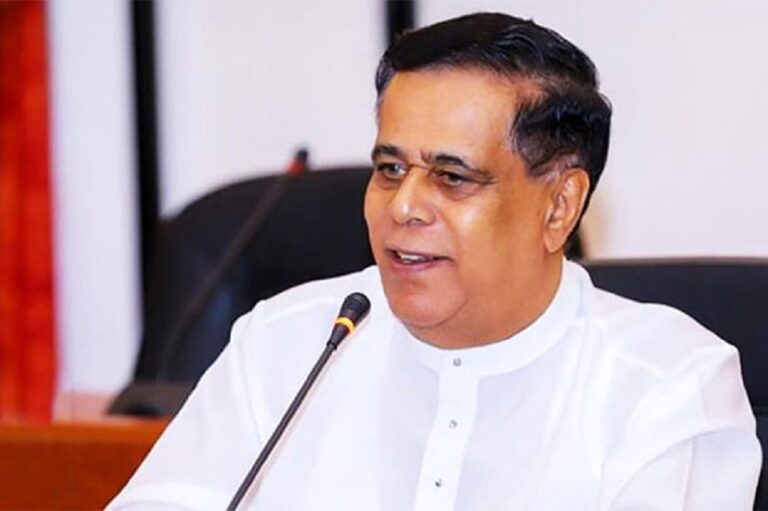
While holding a special discussion at the ministry, Minister Nimal Siripala de Silva said 47 such vessels have sunk or capsized in Sri Lanka’s territorial waters.
Therefore, the minister issued instructions to take maximum benefit from these vessels for the local economy and to preserve them in view of their archaeological importance if necessary.
“A large number of tourists are interested in exploring the sites of sunken vessels in local waters, which is also facilitated by a number of international ocean exploration and divining teams for the photography of the sites,” he said.
During the discussions, it was decided to salvage any vessels with no archaeological value at these sites and sell them for scrap and credit revenue to the government account.
“According to maritime law, if rights over a sunken ship were not presented within a period of one year, ownership of the ship would fall on the government that owned the oceanic territory,” he pointed out.
The Minister ordered relevant officials to look into six such vessels anchored at Colombo, Galle, and Trincomalee ports for more than six years and consider expediting the legal process to obtain the maximum revenue for Sri Lanka Ports Authority out of these abandoned vessels.
The Director General of the Marine Environment Protection Authority emphasized the importance of avoiding pollution to the marine environment during this process.
Sri Lanka’s star shipwreck that lies off Batticaloa at a depth of 42 metres is the HMS Hermes, the first ship in any navy to be designed and built as an aircraft carrier.
This was sunk by a Japanese air attack in April 1942 and placed Sri Lanka among other top Wreck Diving destinations. Tourism sources say about 30 divers will arrive in Sri Lanka to dive at this world famous shipwreck.
Other famous shipwrecks in Sri Lanka of interest to divers include Conch (Hikkaduwa), Earl of Shaftesbury (Hikkaduwa), SS Rangoon (Unawatuna), Colombo Cargo Wreck, Colombo Taprobane East Wreck, Colombo Barge and MV Cordiality (Pulmoddai).
Sri Lanka also has many ships sunk during the colonial era and a few even prior to that which are of enormous archaeological value. According to Sri Lankan law any ship older than 100 years cannot be salvaged considering its archaeological value.
A meaningful 75th Independence Day to my fellow Sri Lankans(VIDEO)
04Feb’23 – A meaningful 75th Independence Day to my fellow Sri Lankans
මා සහෘද ශ්රී ලාංකිකයන්ට අර්ථවත් 75 වැනි නිදහස් දිනයක්
எனது சக இலங்கையர்களுக்கு அர்த்தமுள்ள 75வது சுதந்திர தினம்
Sri Lanka aims to attract more travelers from Qatar
Sri Lanka aims to attract more visitors from Qatar as it offers a wealth of tourism and a safe health environment, said Sri Lankan Ambassador to the State of Qatar Mafaz Mohideen.
Sri Lanka opened its borders in January 2021 and now welcomes vaccinated and unvaccinated travelers by strictly adhering to national health guidelines based on the pandemic situation, he added.
“We aim to attract more holidaymakers form Qatar with a wide range of offerings, from breathtaking scenery and pristine beaches to active adventure and wildlife safari in a safe environment,” he said.
“In the pre-pandemic times an average of 1,000 to 1,200 tourists used to travel to Sri Lanka from Qatar. However, we see a greater interest among many to travel to Sri Lanka and we would like to see them taking the opportunity and enjoy the hospitality, culture, tourist attractions and everything that an enthusiastic traveler will need,” E Mafaz said.
He said that Sri Lanka’s 90 percent eligible population is fully vaccinated against COVID-19 and the country is in the phase of administering booster doses.
“The high vaccination rate has protected the community from the severe COVID-19 situation and it gives a safe environment for the travelers,” he said.
Another area that is favourable for travelers from Qatar is increased air connectivity with Sri Lanka. Srilankan Airlines, the national carrier of Sri Lanka operates daily flights to Colombo and Qatar Airways operates an average of four flights daily.
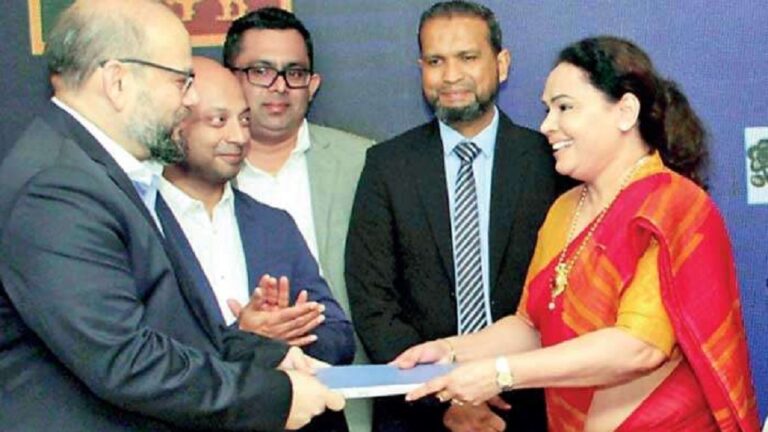
Another initiative of State Tourism Ministry to uplift the tourism sector in Sri Lanka, a MoU has been inked recently between the State Tourism Ministry of Sri Lanka and Tawfeeq Travel, one of the largest travel management and promotion corporate in Qatar to bring one million of high-end tourists from the Middle East region to Sri Lanka within next 24 months, during the year 2023 and 2024.
A grand ceremony was held amongst a large gathering from the industry, business community and media at the Cinnamon Grand Hotel with the State Minister of Tourism Diana Gamage as the Chief Guest.
Qatar Tawfeeq Travel CEO Syed Rehan Ali and State Tourism Ministry Coordinating Secretary Dr. Arosha Fernando signed the MoU representing both Qatar and Sri Lanka at an auspicious time.
Further, Tawfeeq Travel has pledged to invest in the tourism and hospitality sector in Sri Lanka in the future, and confirmed an investment of $ 3 million immediately to the sector to be invested through the State Tourism Ministry.
The ministry has highly appreciated the commendable work which has been undertaken by the State Minister of Tourism Diana Gamage up to date in reviving the tourism sector in Sri Lanka
Nelum Yaya CSR: School shoes for students from Ragama Mathumagala Roman Catholic College
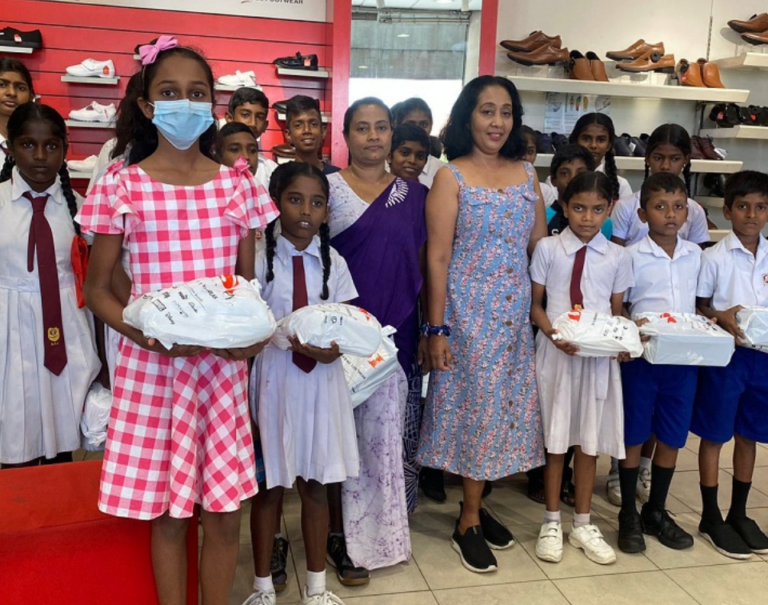
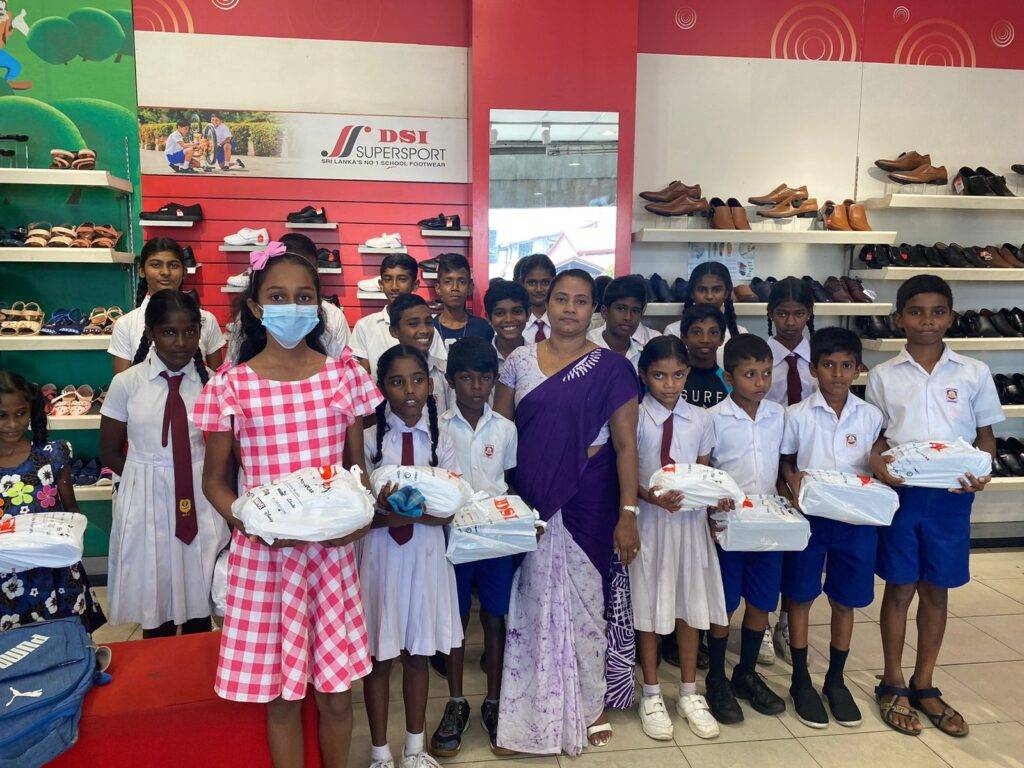
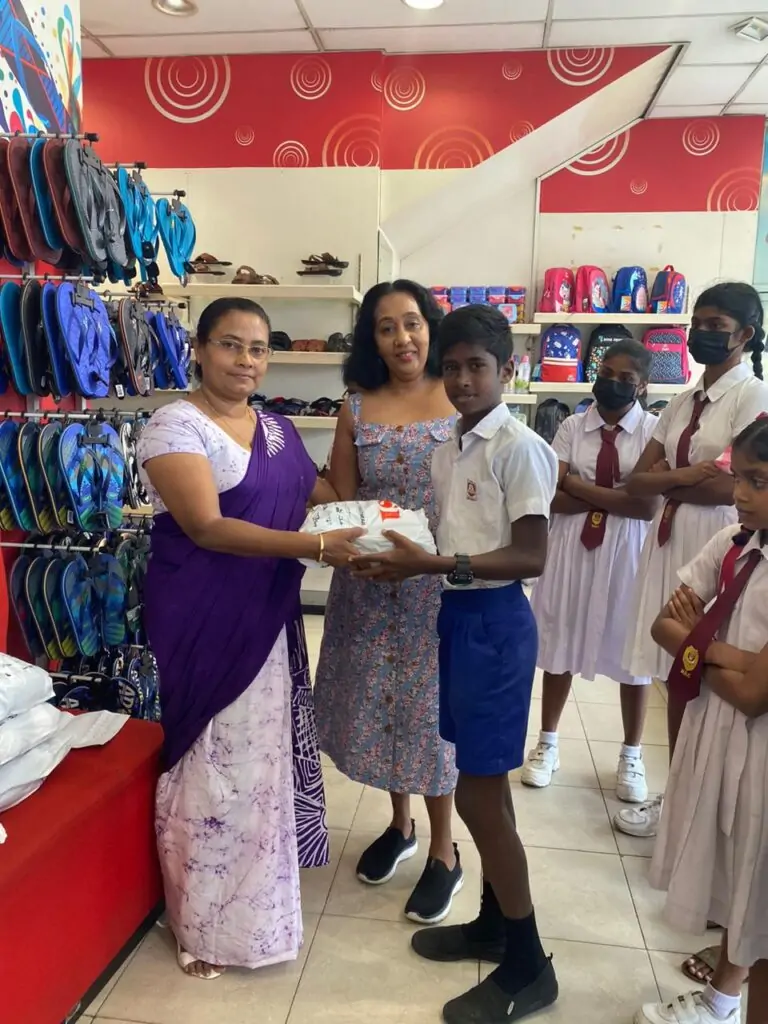
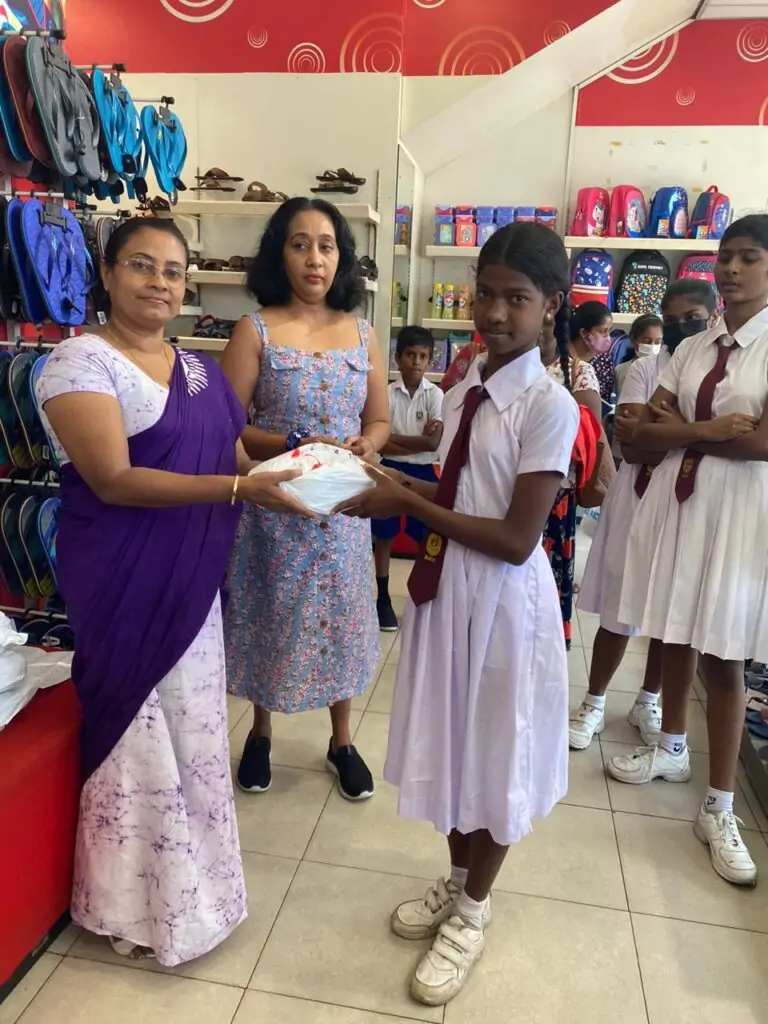
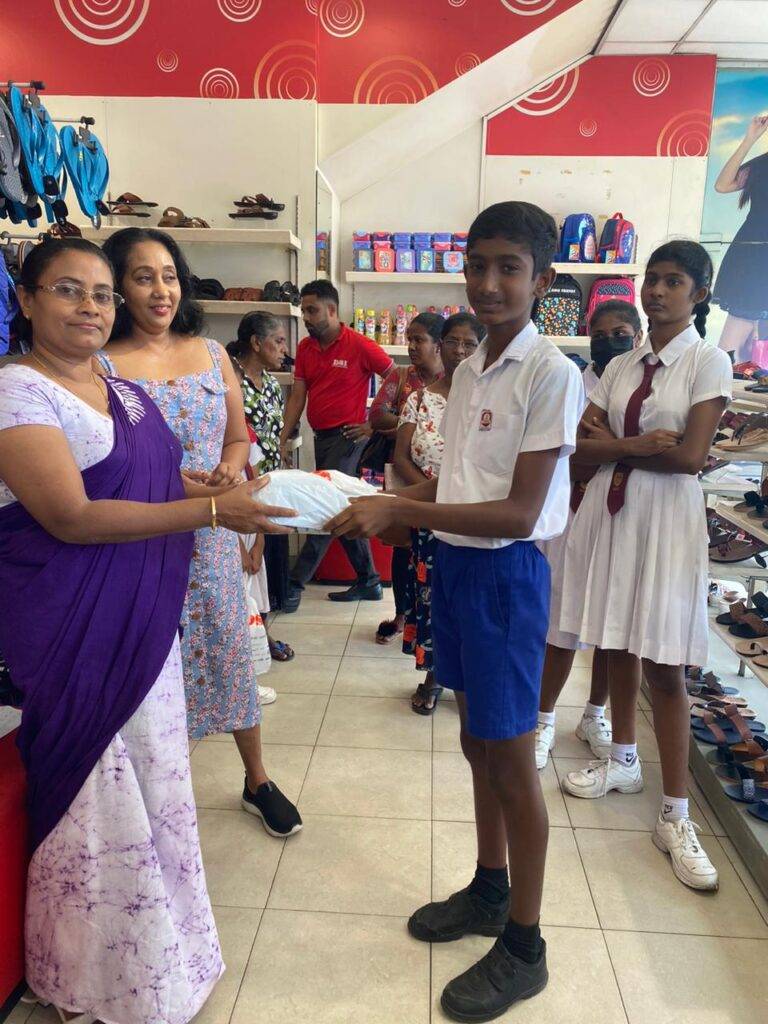
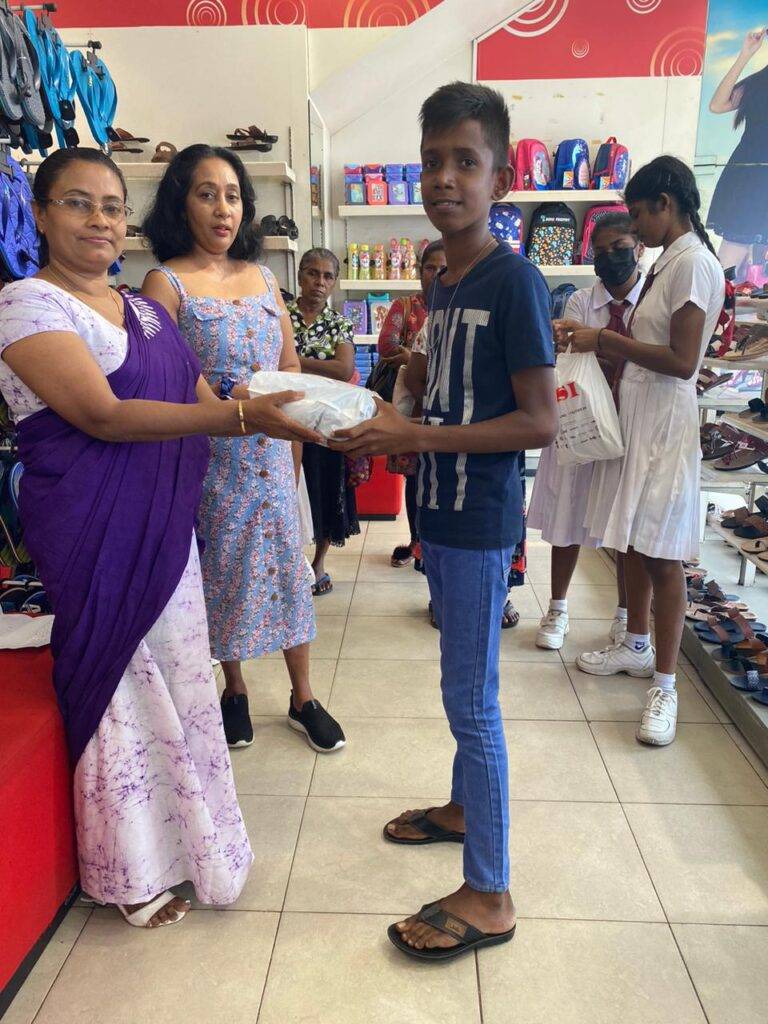
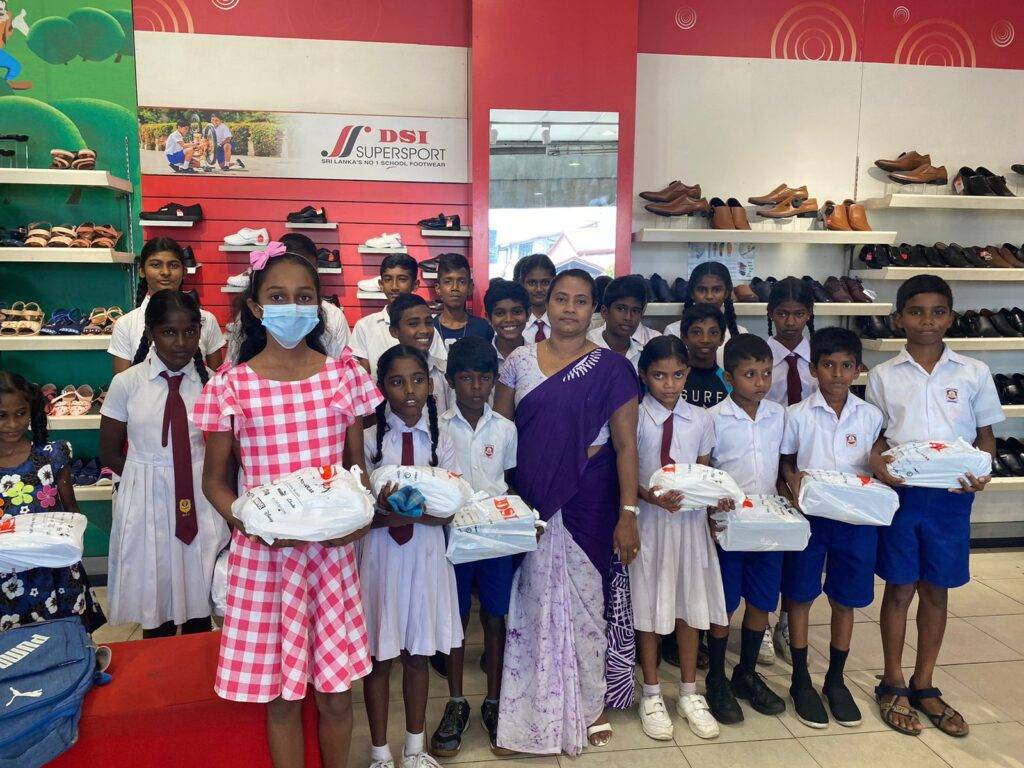
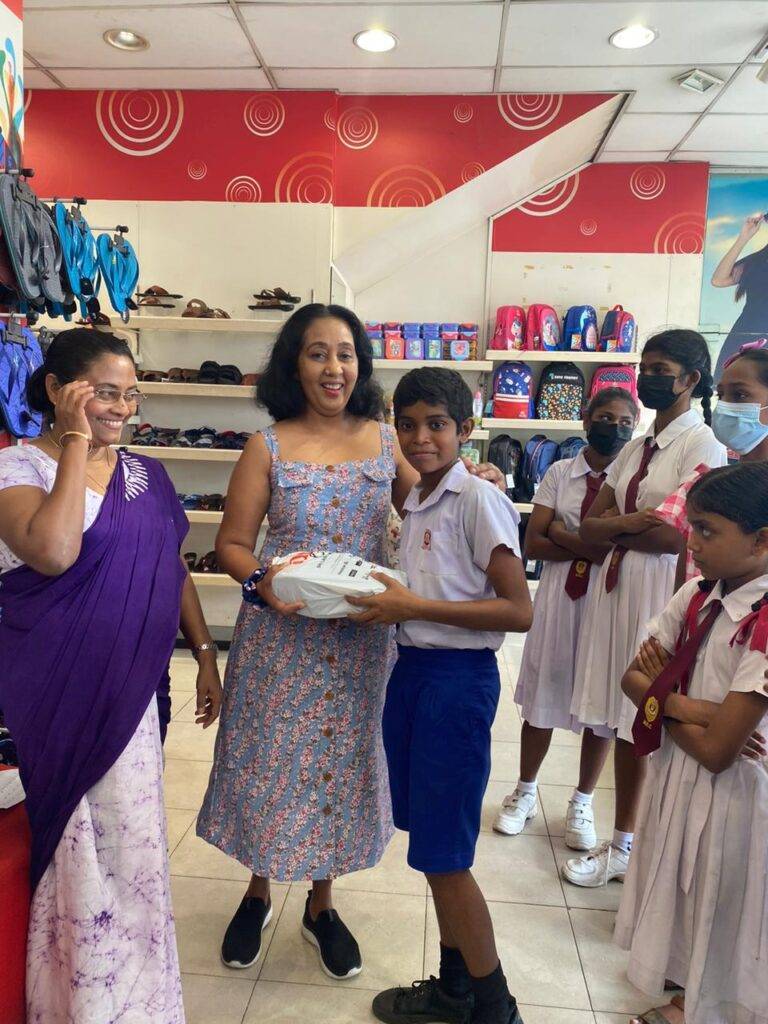
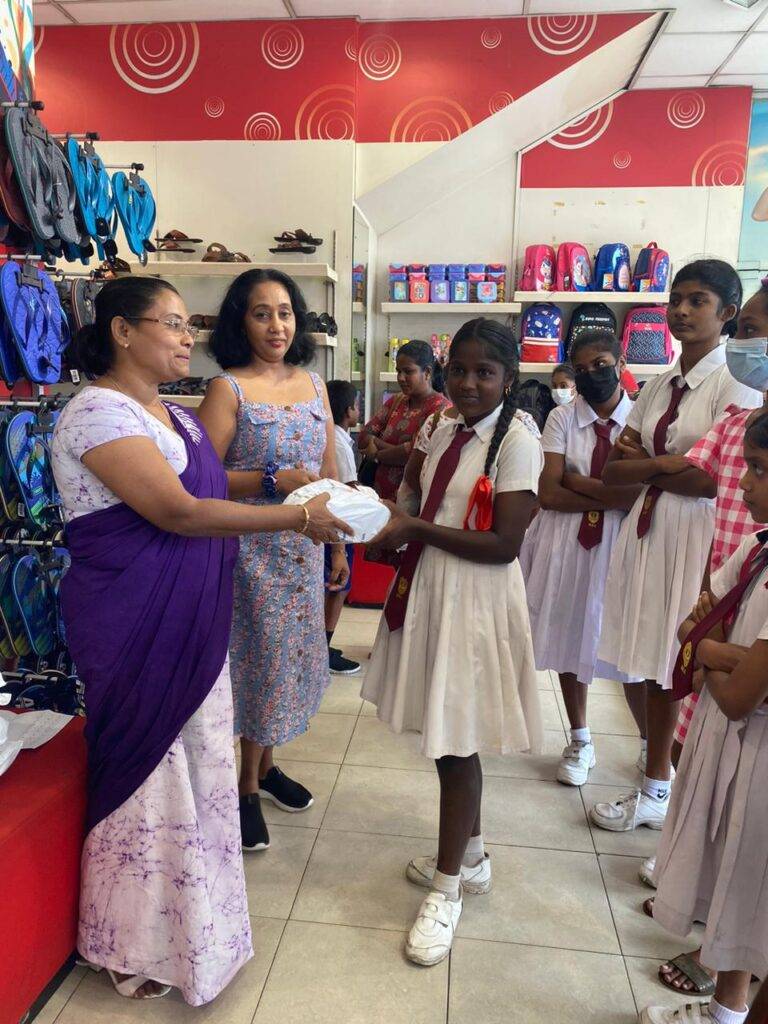
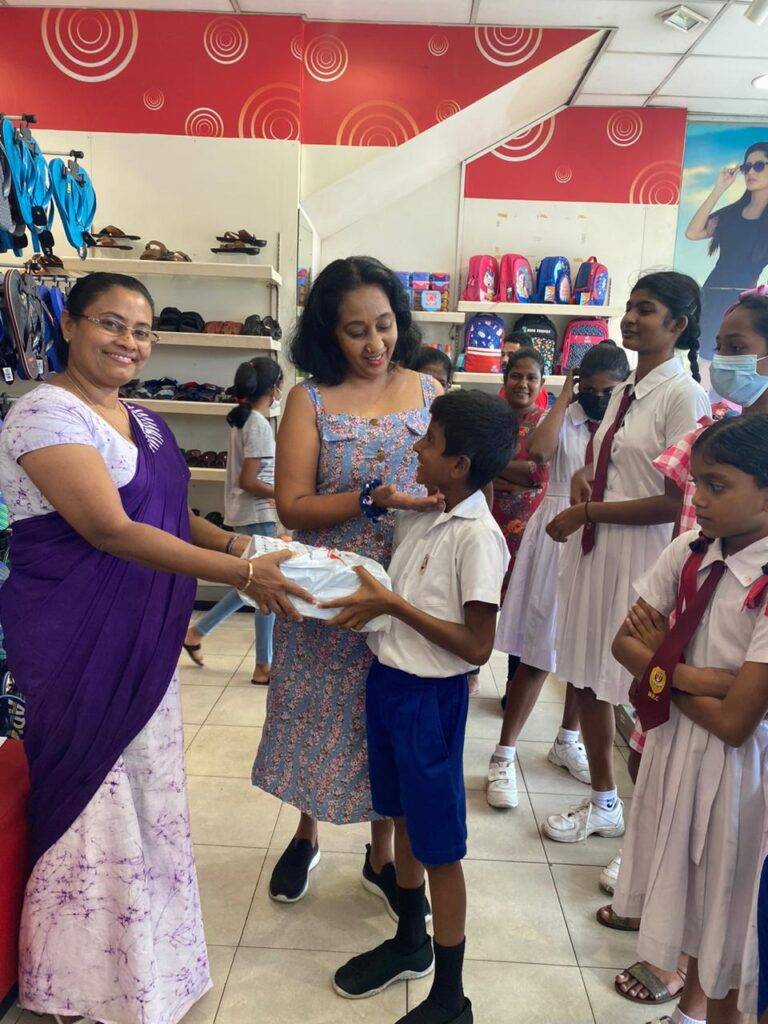
With the financial support of Dinesh Weerakkody Foundation and the organizational strength of the Nelum Yaya Project, we implemented a CSR program to provide school shoes for twenty-five identified children with economic difficulties at Ragama Mathumagala Roman Catholic College.
This year the Dinesh Weerakkody Foundation implemented this hosting program with an amount of nearly one hundred thousand rupees, and it is expected to continue this every month in the future.
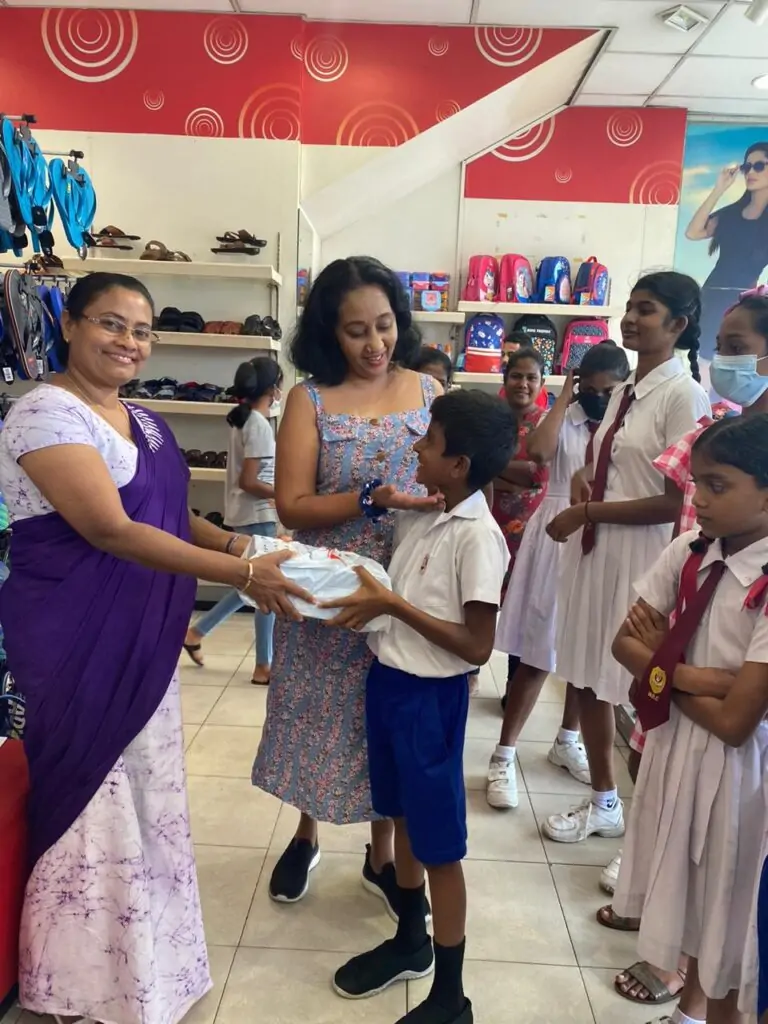
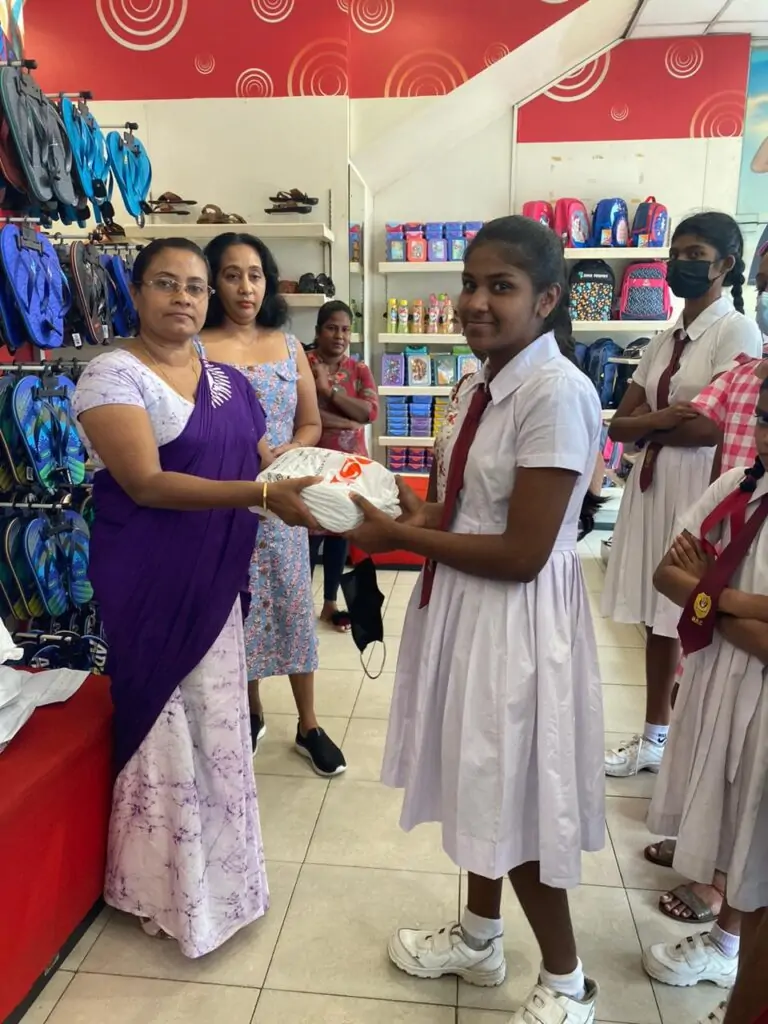
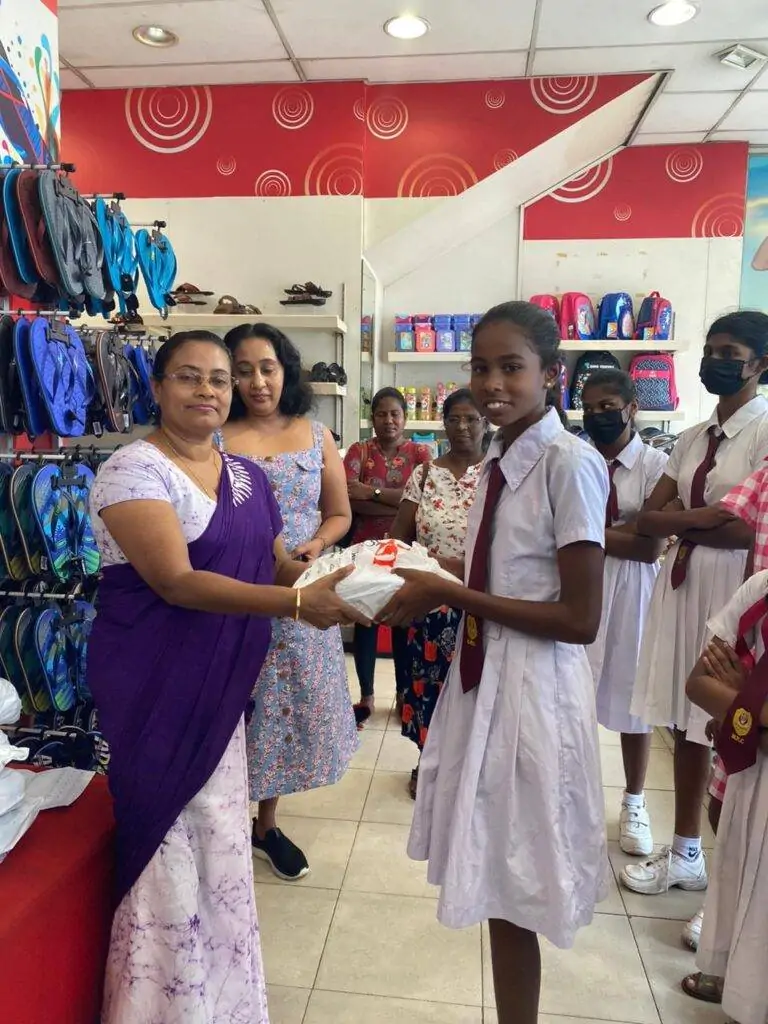
It is no secret that many children have stopped going to school due to the current economic difficulties and the rising prices of school materials.
In 2016, when there was no such economic inflation, at the request of the Department of Labor, the Census and Statistics Department conducted a survey called “Child Activity Survey 2016”, and according to that report, it was also revealed that there were 4.6 million children between the ages of 5-17 years and 452,661 of them do not go to school for various reasons.
Let us strengthen the school children by giving them what they need as much as we can.
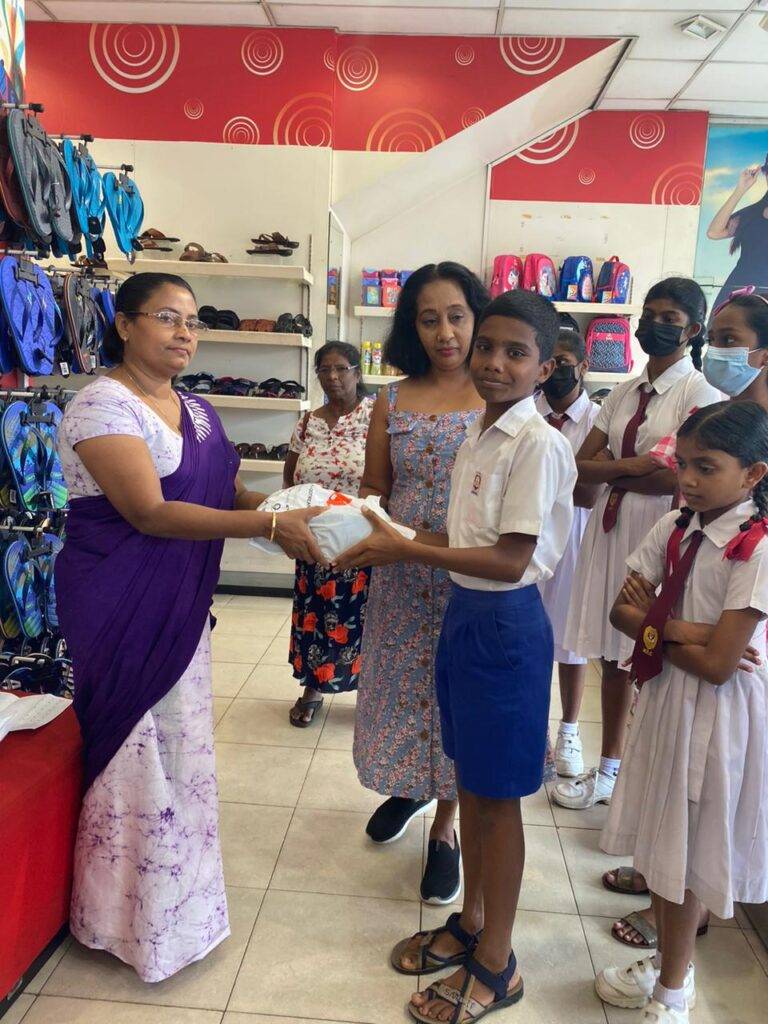
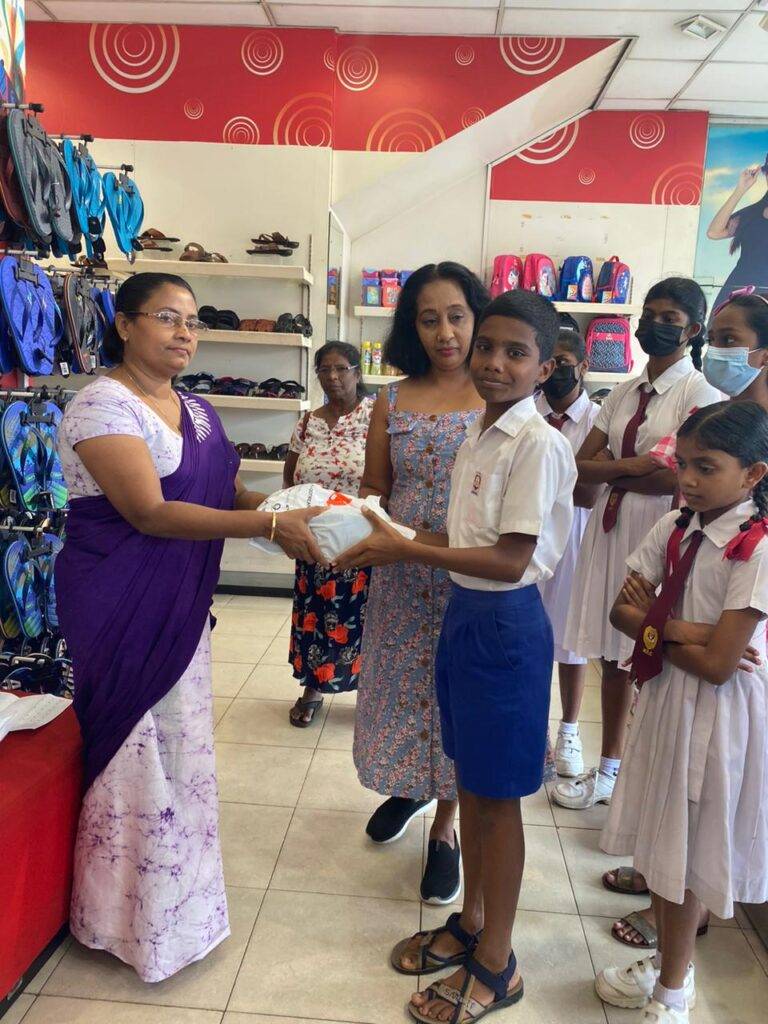
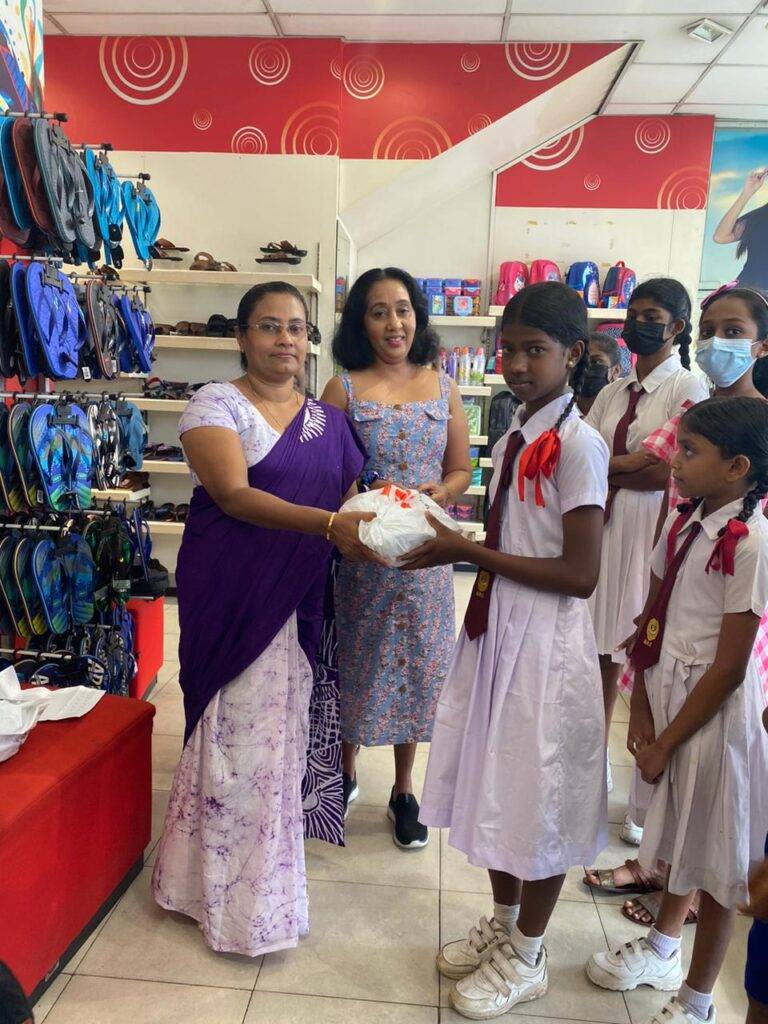
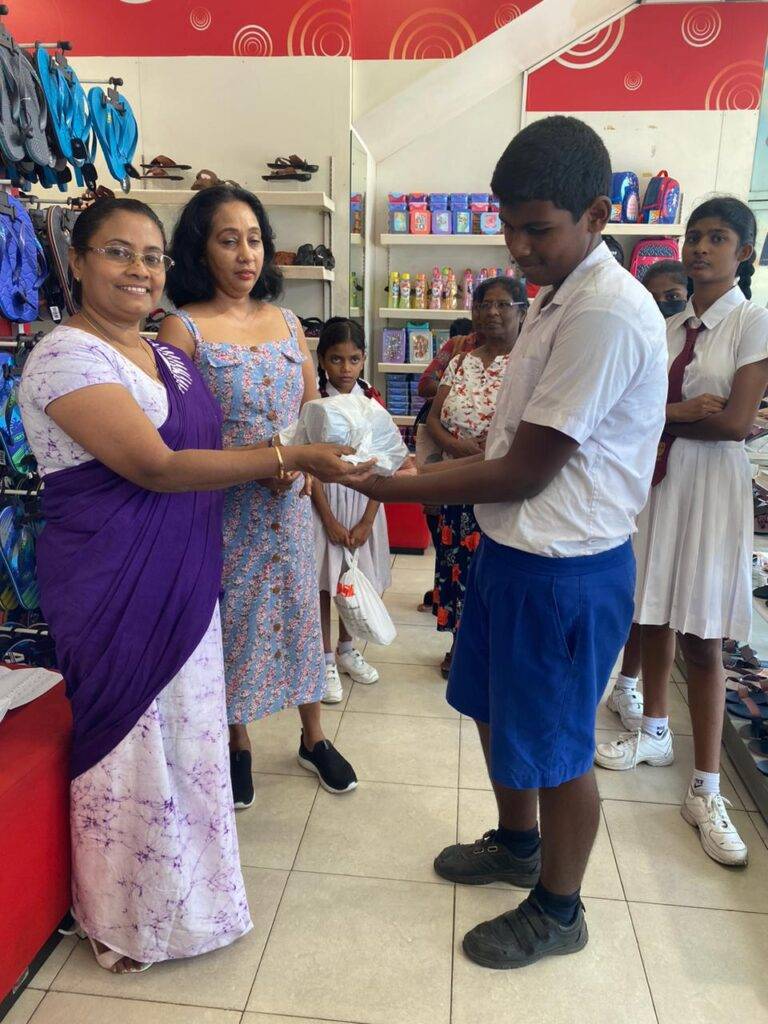
You can also participate through the Nelum Yaya CSR for this social work that is a source of strength for the children.
Nelum Yaya Foundation
SL Bondholders ready for debt restructuring talks with authorities
Sri Lanka’s bondholders have told the International Monetary Fund (IMF) that they are prepared to engage with the island nation’s authorities in debt restructuring talks consistent with the parameters of the global lender’s program.
The Ad Hoc Group of Sri Lanka Bondholders conveyed its stance in a letter directed to IMF Managing Director Kristalina Georgieva on Friday (Feb. 03).
The Bondholder Group through its Steering Committee stands ready to engage quickly and effectively with the Sri Lankan authorities to design and implement restructuring terms that would help Sri Lanka restore debt sustainability and allow the country to re-gain access to the international capital markets during the IMF Programme period.”
The Bondholder Group acknowledged the Sri Lankan authorities’ engagement with their official creditors towards a resolution of the current crisis and restoration of debt sustainability.
The Bondholder Group further acknowledged that such engagement has recently resulted in the Indian government delivering letters of financing assurances to the IMF.
It has been committing to support Sri Lanka and contribute to its efforts to restore debt sustainability by providing debt relief and financing consistent with the IMF Extended Fund Facility Arrangement and the IMF Programme targets indicated in the India’s letter to the global lender.
The IMF Programme’s debt sustainability targets are identified as (i) reducing the ratio of public debt to GDP to 95% by 2032, (ii) limiting the central government’s annual gross financing needs to GDP ratio to 13% in the period between 2027 and 2032, and central government annual foreign currency debt service at 4.5% of GDP in every year between 2027 and 2032 and (iii) closing of the external financing gap.
The central government’s domestic debt – defined as debt governed by local law – is reorganized in a manner that both ensures debt sustainability and safeguards financial stability.
Assuming that annual gross financing needs should not exceed 13% of GDP in the period between 2027 and 2032, whilst allowing for central government annual foreign currency debt service to reach 4.5% of GDP in every year between 2027 and 2032, domestic gross financing should therefore be limited at 8.5% of GDP for the period 2027-2032.
While the group of bond holders recognize that the determination of the economic assumptions underpinning the IMF Programme targets are ultimately the responsibility of the IMF and that the overall design of the IMF Programme is one that is negotiated between the IMF and Sri Lanka.
It is nevertheless important that the Bondholder Group has the opportunity to express its views on both the economic assumptions underpinning these IMF Programme Targets and the adequacy and feasibility of the adjustment efforts contemplated under the IMF Programme.
When considering any restructuring proposal that is made to the Bondholder Group, it is the Bondholder Group’s intention to take into consideration the extent to which the economic assumptions and the adjustment efforts are consistent with these views.
Appointment of Ambassador of Republic of Côte d’Ivoire to Sri Lanka
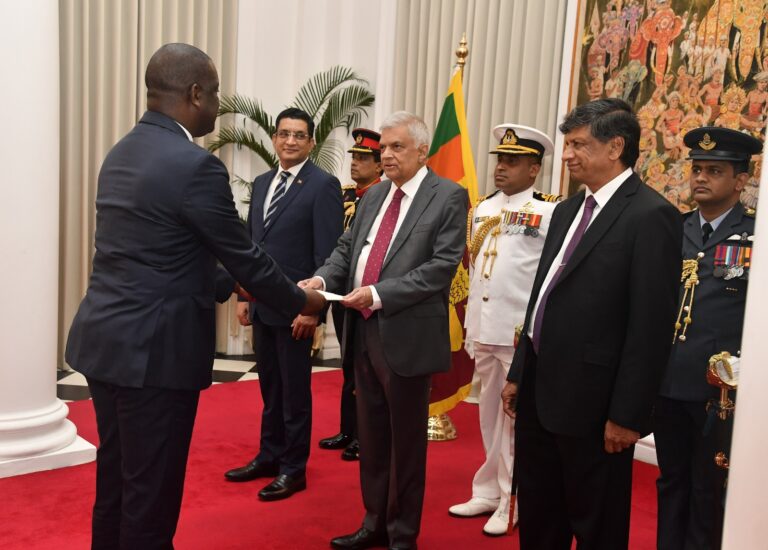
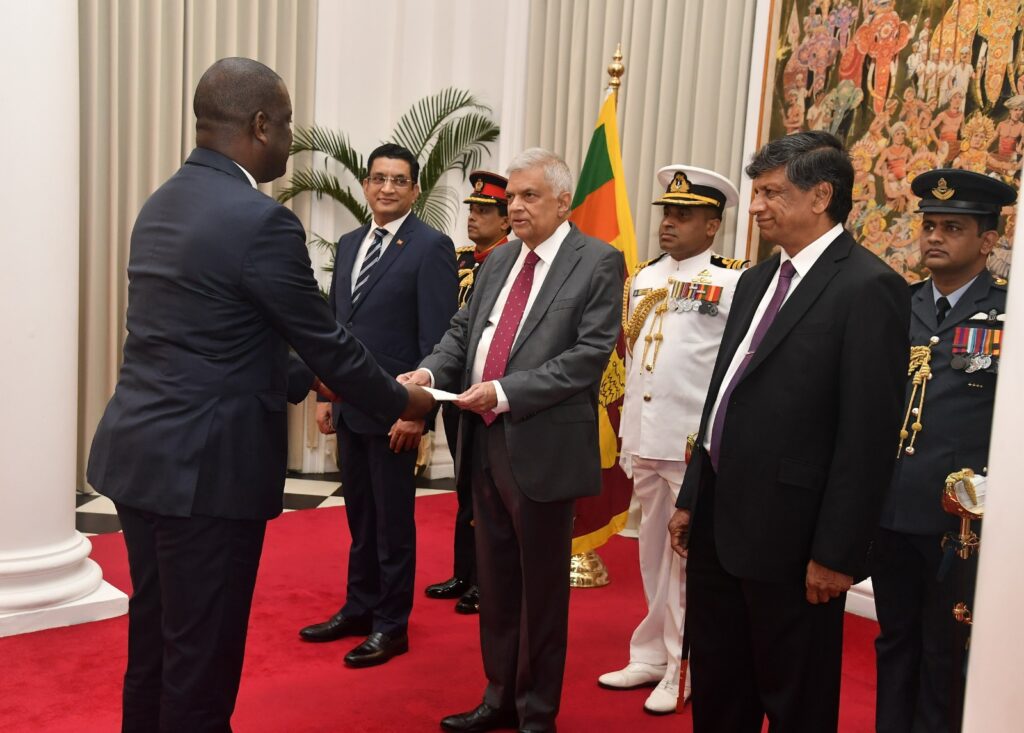
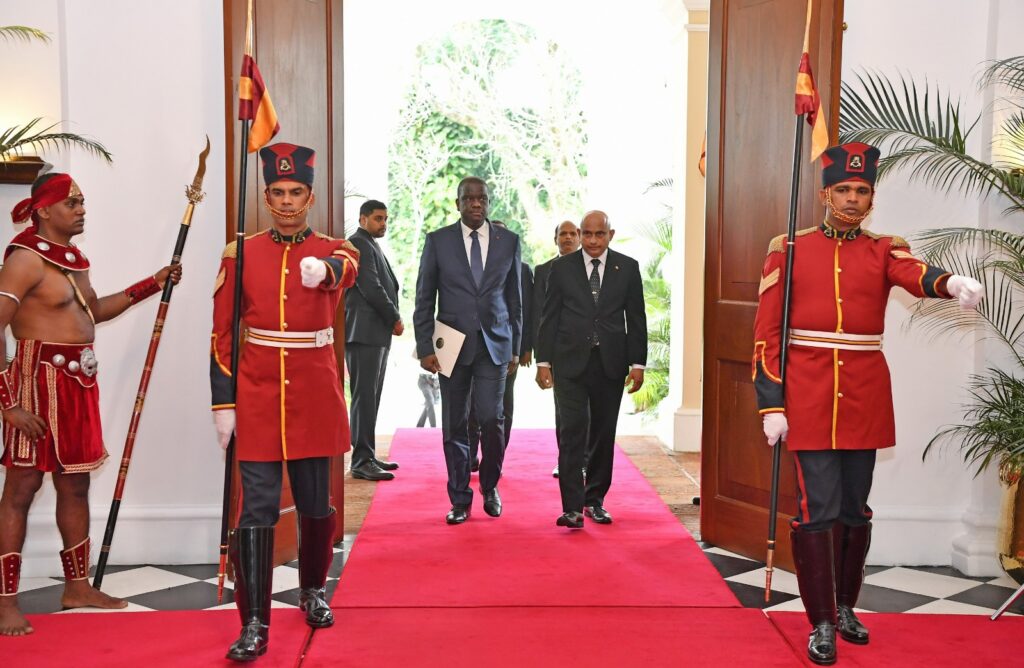
The Government of the Republic of Côte d’Ivoire with the concurrence of the Government of Sri Lanka has appointed Mr. N’dry Eric Camille as Ambassador Extraordinary and Plenipotentiary of the Republic of Côte d’Ivoire to Sri Lanka based in New Delhi. He presented credentials to H.E. Ranil Wickremesinghe, President of Sri Lanka on 02 February 2023 at 3.00 p.m. at the President’s House in Kandy.
Ministry of Foreign Affairs
Colombo
02 February, 2023
Sri Lanka Original Narrative Summary: 04/02
SRI LANKA CELEBRATES ITS 75TH ANNIVERSARY OF INDEPENDENCE TODAY
- China’s Foreign Ministry Spokesperson Mao Ning accuses US of “jabbing fingers at China’s close cooperation with Sri Lanka”: urges US to “show some sincerity and actually do something to help Sri Lanka”: asserts China has been providing assistance for Sri Lanka’s economic and social development to the best of China’s capabilities.
- SJB MP Tissa Attanayake says Opposition Leader Sajith Premadasa and the SJB will boycott Sri Lanka’s 75th Independence anniversary celebrations: asserts the engagement in such activities is a wastage of money at a time when the country is facing one of its worst economic crises.
- Mahaweli Authority informs Power & Energy Ministry that there is not enough water in reservoirs to be released for hydro-power generation: asserts only 50% can be used as expected rainfall has not been experienced and the available water is needed for agricultural purposes.
- Supreme Court rejects HRC request for an interim order preventing the CEB from imposing any power cuts during the GCE (A/L) exams: CEB requests permission from PUC to re-impose power cuts of 2 hours & 20 minutes: 2 members of the PUC resign.
- Elections Commission announces that postal voting for the LG Election will be on 22, 23 & 24 February.
- IUSF Convener Wasantha Mudalige alleges the Police had a plan to kill him while he was in police custody.
- Former Presidential Advisor Ashu Marasinghe who resigned from his post last month after a controversial video was leaked to the media by SJB Member Hirunika Premachandra involving the abuse of a pet dog, re-appointed to the position.
- Executive Director of People’s Action for Free & Fair Elections (PAFFREL) Rohana
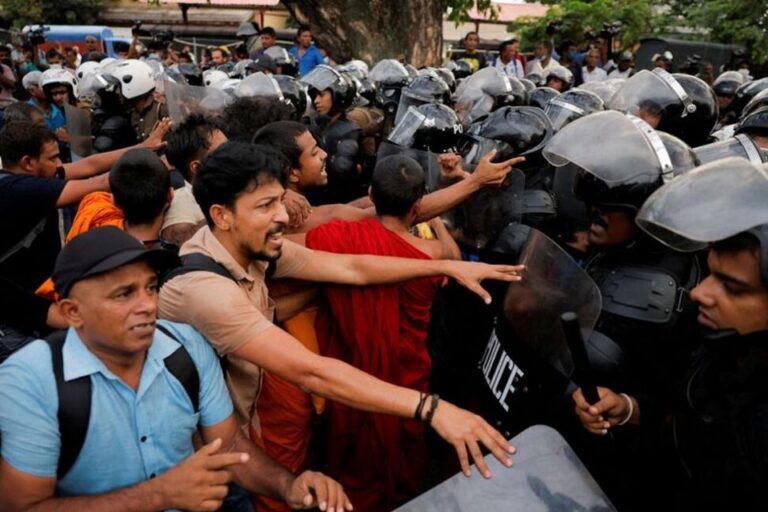
Hettiarachchi alleges that a sinister campaign is underway to undermine the Elections Commission: accuses the Govt of issuing media releases and carrying out activities that make people doubt whether the Commission is doing enough to hold the LG election in March. - Police fire tear gas and use water cannons to disperse protestors near the Elphinstone Theatre in Maradana.
- Senior CPC official says the price of petrol had been increased by Rs 30 recently to mainly cover the losses due to late payments for oil shipments: claims the CPC has to pay additional demurrage, late fees, port charges and shipping charges, as a result: explains that to meet these expenses, the CPC has been compelled to make the price increase.
President’s Independence Day Message
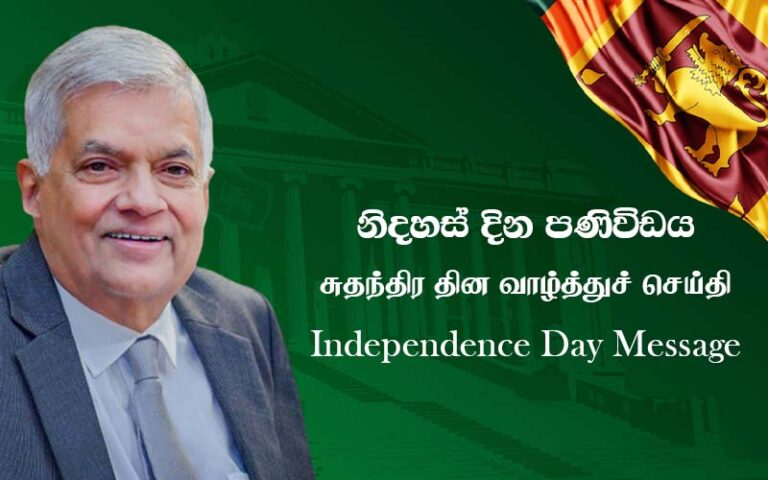
Our 75th Anniversary of Independence from colonial rule is being observed during an extremely critical and challenging time in the country. It is, indeed, a decisive moment. However it presents an opportunity for us not only to review our strengths and gains as a nation but also to rectify our errors and failures.
Since 1948, we have, as a nation, undergone many tests and travails – from riots, insurgencies and war to natural disasters. These experiences have left us with a sense of inculcated resilience that has made us revive better when faced with adversity. Therefore, I am confident that even at this juncture we will pool our energies as the daughters and sons of one mother to rise up from the current economic abyss and build back stronger.
There is a new economic and social reform agenda before the country with the objectives focusing first on recovery and then on renewed development. It is imperative for us to unite in its implementation so that we can emerge with a high level of economic prosperity. I pledge today to make the extremely difficult though vital decisions to achieve this goal with courage and determination. I anticipate the confidence and support of you, the people of our country, in this endeavour.
I also take the opportunity to thank you, the Sri Lankan expatriate community, for your contribution towards the development of our motherland despite your distance. I would like to invite you to join us in securing a bright future for the younger generation of Sri Lankans who are at the vanguard of economic and social development. Your faith and investment in the unique and creative ideas of our talented youth who lack capital could give considerable hope and be of immense benefit to our country in this crisis.
On this historic anniversary, let us all resolve to meet the challenges of this year with further patience and fortitude.
I extend warm felicitations to you, Sri Lankans, here and aboard.
Ranil Wickremesinghe
President
Democratic Socialist Republic of Sri Lanka
04th February 2023