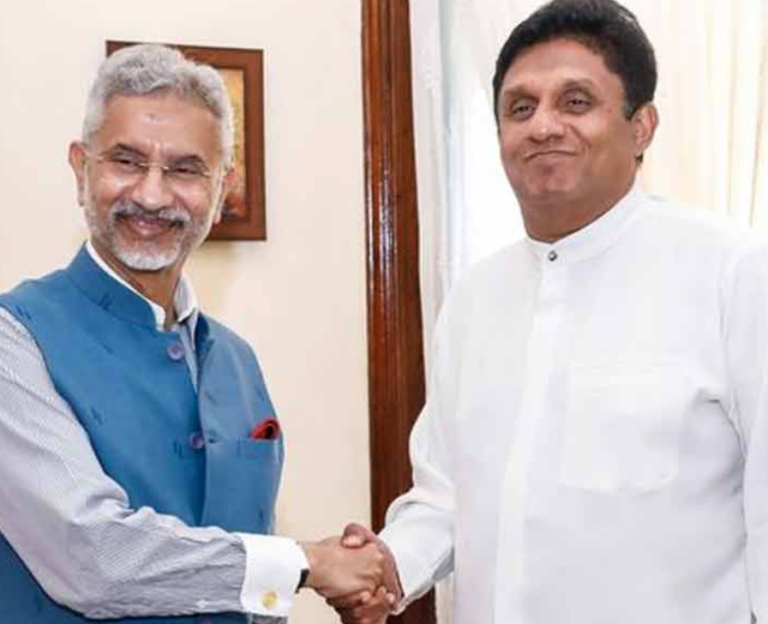
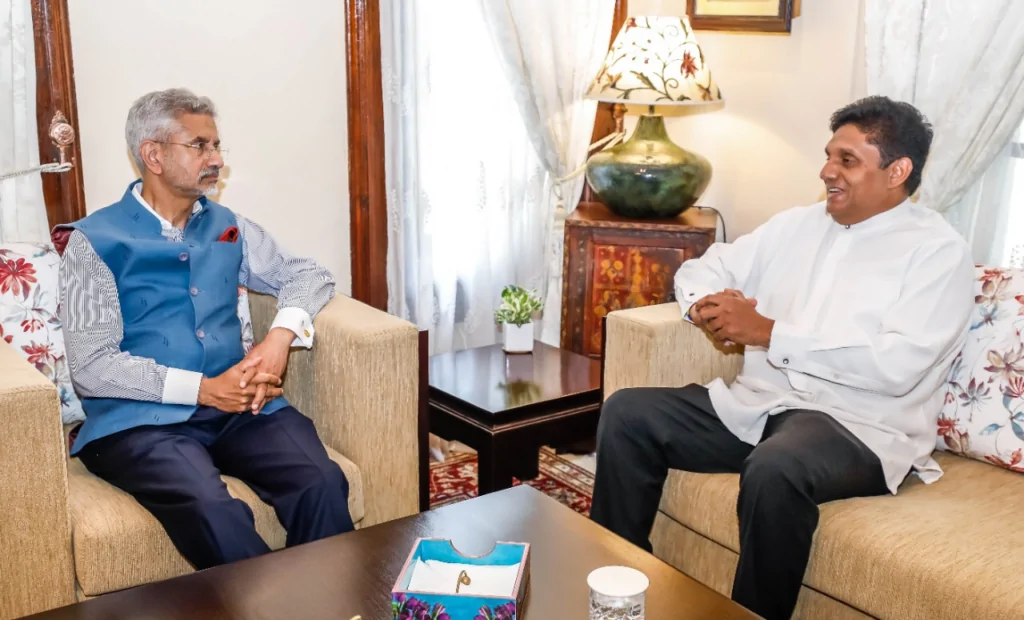
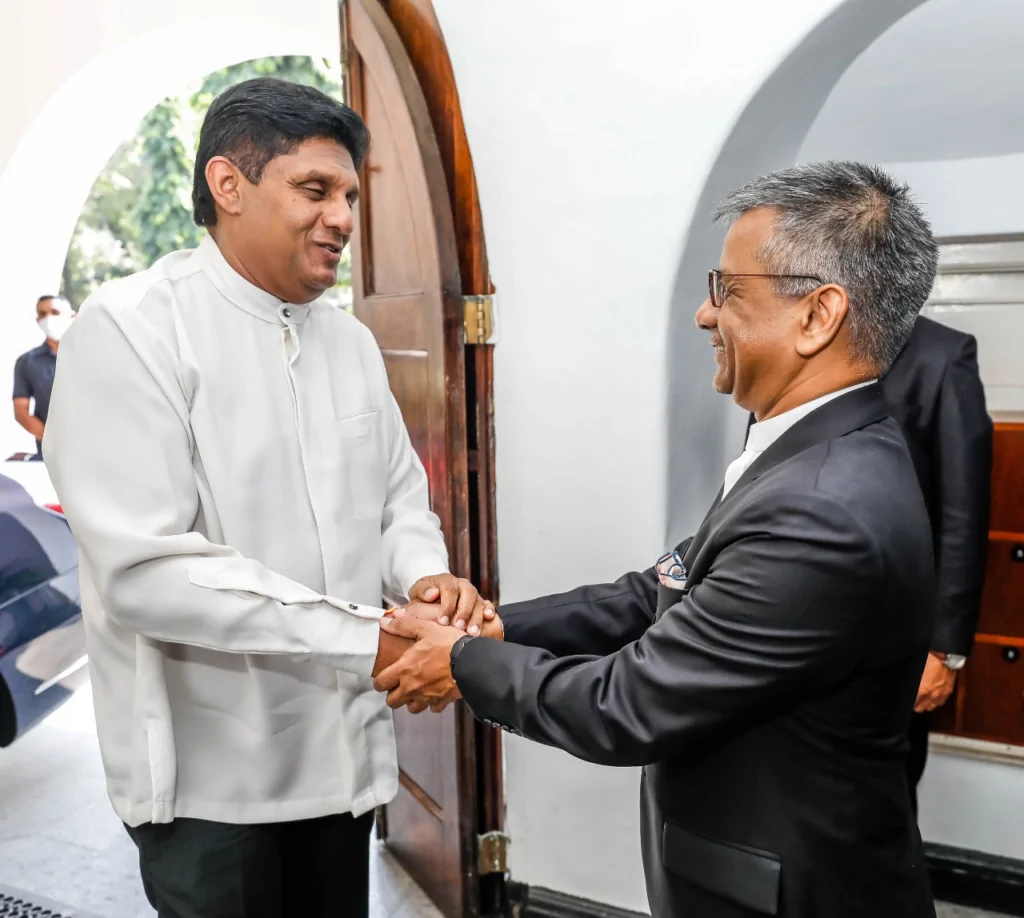
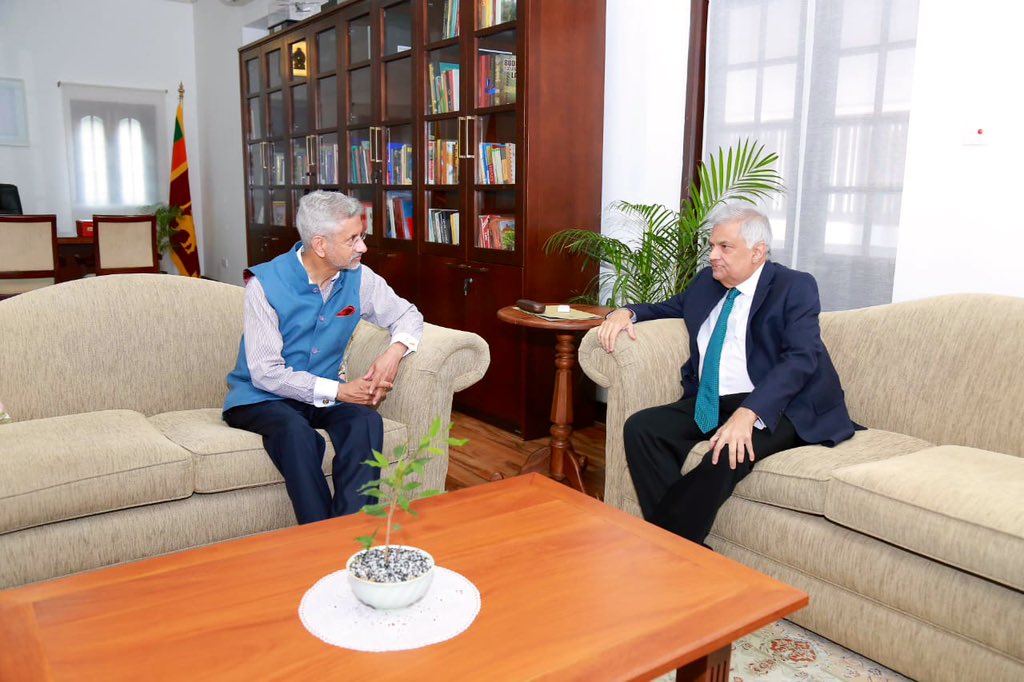
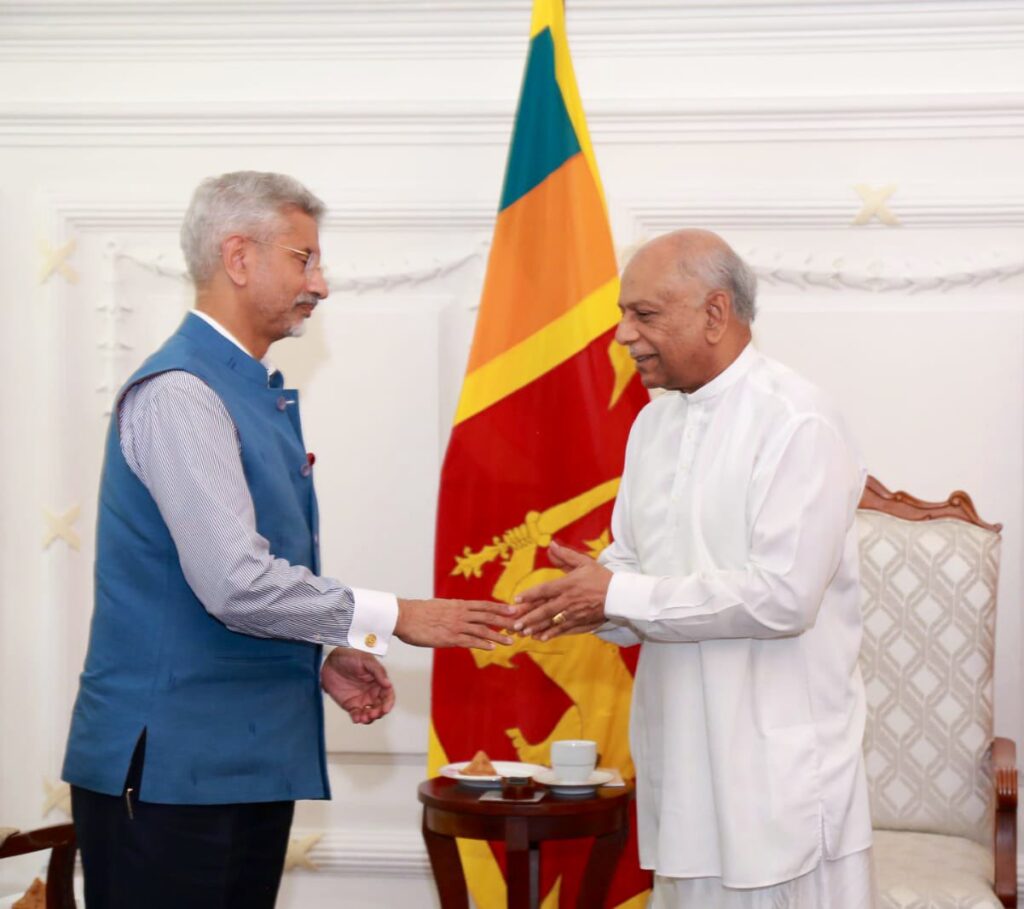
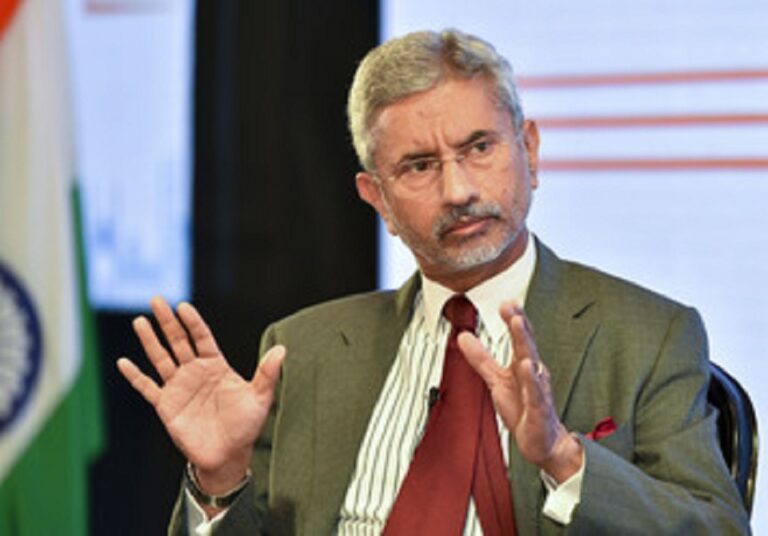
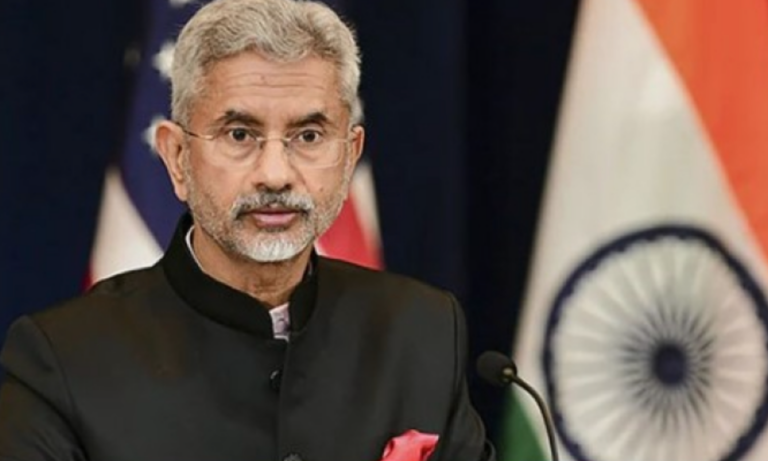
A meeting was held yesterday (20) between Indian Foreign Minister S. Jaishankar, who is on an official visit to Sri Lanka, and Sajith Premadasa, the leader of the opposition.
The opposition leader’s office says that many important issues were discussed there.
The opposition leader has requested the Indian Foreign Minister to continue providing the support of the Indian government for the welfare of the entire people of Sri Lanka.
Also, the leader of the opposition, who has been reminded of the bilateral and friendly existence between India and Sri Lanka for a long time, has stated that it should be strengthened day by day.
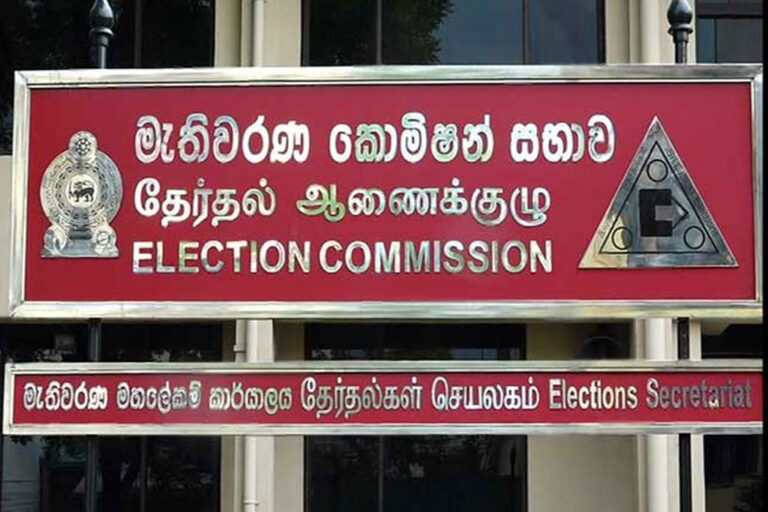
Acceptance of nominations for the local government election is scheduled to end today (21) at 12.00 noon.
After that, the Election Commission says that one and a half hours will be given till 01.30 pm to raise objections regarding the nominations.
After the end of that period, the election officials will announce the political parties and independent groups competing for this year’s local government elections.
Also, the date of the local government election is also scheduled to be announced by the Election Commission after the acceptance of nominations is over.
Indian External Affairs Minister Dr S Jaishankar says the primary purpose of his visit is to express India’s solidarity with Sri Lanka during difficult times: also says India will extend financing assurances to IMF to clear the way for Sri Lanka to move forward.
Indian External Affairs Minister Dr S Jaishankar says full implementation of the 13th Amendment and early conduct of Provincial Elections are critical for political devolution.
An official for the Tibetan govt-in-exile says the Dalai Lama has no plans to visit Sri Lanka: previously, a top Chinese embassy official had met the powerful Buddhist prelates in Kandy to express opposition to such a possible visit.
Ceylon Petroleum Corporation Chairman and Foreign Minister Ali Sabry’s brother Uvais Mohamed says the QR code fuel quota provided to candidates of the Local Govt election cannot be increased due to the prevailing situation.
Chief Govt Whip Prasanna Ranatunga says the Cabinet Ministers had requested President Ranil Wickremesinghe to reveal the inquiry report on the 9th May attacks on Galle Face protesters and subsequent countrywide violence against Govt politicians.
Indian External Affairs Minister Dr S Jaishankar says Trincomalee has the capacity to emerge as an “Energy Hub”: also says India is prepared to be a reliable partner for such initiatives.
SJB MP Mujibur Rahuman informs Parliament that he will resign from his MP post in order to contest the post of Mayor of the Colombo Muncipal Council in the forthcoming Local Government Election.
Jeevan Thondaman, 28, becomes Sri Lanka’s youngest ever Cabinet Minister after being sworn in before President Ranil Wickremesinghe: previously, Ranil Wickremasinghe was the youngest to hold a cabinet portfolio as Minister of Youth Affairs, when 29.
National Building Research Organization says air pollution doubled due to the MV X-Press Pearl disaster.
Analysts say many inconsistencies are observed in Treasury Secretary Mahinda Siriwardene’s affidavit on the “Election postponement case”: point out the Treasury raises hundreds of billions of Rupees weekly and therefore it can easily raise a further Rs.10 bn for the election: also say the Central Bank has advanced Rs.450 bn to banks on a long-term basis during the past 10 days alone, which confirms there are funds available.
Dr. Pratap Ramanujam, Dr. Dilkushi Anula Wijesundara and Dr. Dinesha Samararatne have been appointed as civil society representatives in the Constitutional Council.
These appointments have been made by President Ranil Wickramasinghe.
That is for the next three years.
The names of these civil society representatives were submitted to the Parliament recently and it was approved by the Parliament.
External Affairs Minister (EAM) of India Dr. S. Jaishankar paid an official visit to Sri Lanka on 19-20 January 2023. In his fourth bilateral visit to Sri Lanka as EAM, he was accompanied by a four-member official delegation from the Ministry of External Affairs, New Delhi. It may be recalled that EAM has visited Sri Lanka earlier in November 2019, January 2021 and March 2022.
2. During the visit, EAM called on President H.E Ranil Wickremesinghe and Prime Minister H.E Dinesh Gunawardena and had detailed discussions with his counterpart, Foreign Minister Hon. M.U.M Ali Sabry. The delegation-level meeting hosted by the Foreign Minister of Sri Lanka included Minister of Ports, Shipping and Aviation Hon. Nimal Siripala de Silva; Hon. Keheliya Rambukwella, Minister of Health; Hon. Ramesh Pathirana, Minister of Industries, Hon. Dilum Amnugama, Minister of Investment Promotion; Hon. Kanchana Wijesekara, Minister of Power and Energy; and Hon. Tharaka Balasuriya, State Minister of Foreign Affairs, among others, and reflected the breadth and depth of the growing partnership between India and Sri Lanka in diverse spheres.
3. Interaction of EAM with the leadership of the Government of Sri Lanka provided an opportunity to review the whole gamut of bilateral relations between the two countries. He stressed that his presence in Sri Lanka at a time when the country was going through multiple challenges sends a clear and strong message of continued support from the Government and the people of India to the people of Sri Lanka.
4. EAM underscored that India’s unprecedented financial support of USD 4 billion last year was in line with the ‘Neighbourhood First’ Policy. He pointed out that India was the first creditor nation of Sri Lanka to support debt restructuring and convey financing assurances to IMF in order to clear the way forward for Sri Lanka and in securing the IMF programme. He added that India will encourage greater investments in the Sri Lankan economy, in several key sectors. He emphasized that India is prepared to go the extra mile when Sri Lanka feels the need. He welcomed the in-principle agreement on a renewable energy framework in the context of addressing Sri Lanka’s energy security challenges.
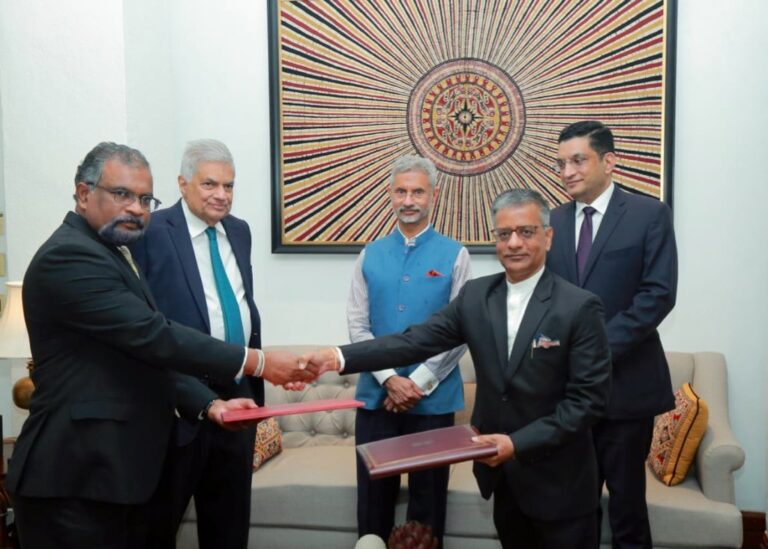
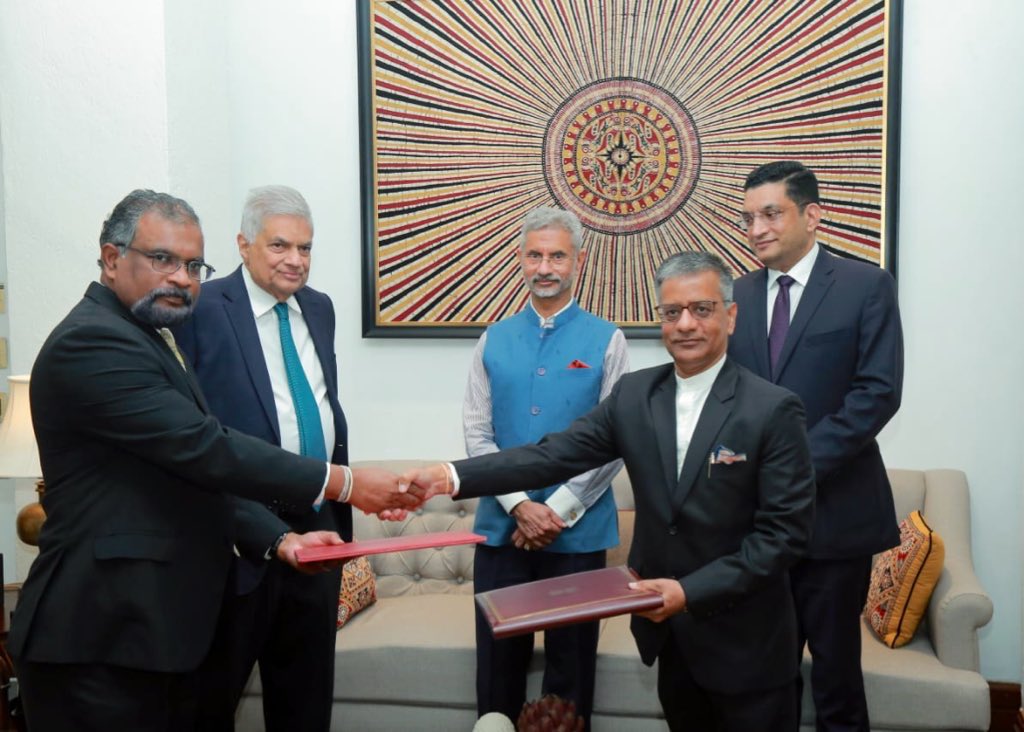
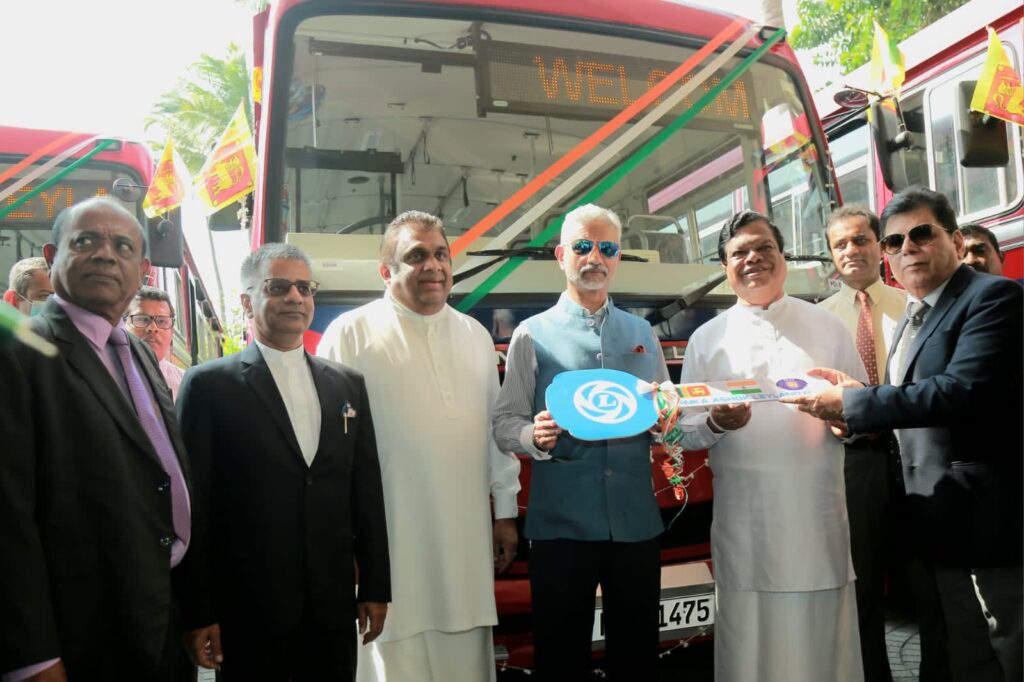
5. President H.E Ranil Wickremesinghe and EAM virtually inaugurated a building for the Kandyan Dancing Academy in Pallekele whose foundation stone was laid by Prime Minister Narendra Modi during his visit to Sri Lanka in May 2017. This grant project underlines Government of India’s commitment to preserve and promote Sri Lanka’s rich cultural heritage. Around 350 housing units built with Government of India grant assistance in Galle, Kandy, Nuwara Eliya, Anuradhapura and Badulla Districts were also handed over in a virtual format on the occasion. Governments of India and Sri Lanka exchanged letters to confirm doubling the ceiling of individual projects as well as overall financial capital for the implementation of grant initiatives carried out under High Impact Community Development Project (HICDP) framework of India. Testifying to the comprehensive and people-centric nature of development cooperation partnership, EAM ceremonially handed over 50 buses supplied under an ongoing credit line for the supply of 500 buses to Hon. Bandula Gunawardena, Minister of Transport and Highways of Sri Lanka towards strengthening the public transport infrastructure. Multi-pronged assistance to Sri Lanka in diverse spheres signify Government of India’s abiding commitment to stand with the people of Sri Lanka through various capacity building projects and other programmes towards economic stabilization and recovery of Sri Lanka.
6. EAM appreciated the steps undertaken for the resumption of Jaffna-Chennai flights and expressed hope that ferry services between India and Sri Lanka will resume at the earliest. He underscored that India continues to be the single largest source of tourists for Sri Lanka and discussed various measures for promoting religious tourism between the two countries. He noted that initiatives undertaken towards promotion of trade and tourism between the two countries could pave way for greater interaction between the people of the two countries as well as shared prosperity.
7. EAM conveyed that Government of India is positively considering the request from senior leadership of Sri Lanka for the exposition of the sacred Kapilavastu Relics of Buddha in Sri Lanka this year. He took note of various joint initiatives such as commemorative postage stamps and coins to mark the 75 years of establishment of diplomatic relations as well as 75 years of Independence of the two countries.
8. Dr. S. Jaishankar called on former President Mahinda Rajapaksa during the visit. He also met Hon. Sajith Premadasa. In addition, he held meetings with leaders of various political parties such as ITAK, TELO, PLOTE, EPRLF, TNP, TNPF, SLMC and ACMC.
9. Hon. Jeevan Thondaman, Minister of Water Supply and Estate Infrastructure Development-led Ceylon Workers’ Congress leaders and leaders of Tamil Progressive Alliance highlighted the socio-economic difficulties faced by people of plantation areas and sought India’s support in addressing their problems. Highlighting numerous initiatives undertaken by the Government of India for the upliftment of the region, EAM noted that 2023 marks 200 years of arrival of Indian-origin-Tamils to Sri Lanka. It bears mention that Assistant High Commission of India in Kandy which closely works with the community marks 100 years of its establishment this year.
10. EAM discussed fisheries and associated topics between the two countries separately with the President of Sri Lanka and Hon. Douglas Devananda, Minister of Fisheries. He emphasized the need to address these challenges in a humanitarian manner. The discussion also focused on the livelihood concerns which influence the decisions of fishermen to undertake such expeditions.
11. EAM conveyed to the President of Sri Lanka greetings from Prime Minister Narendra Modi and handed over an invitation from him to visit India at an early mutually convenient date.
12. The visit of the External Affairs Minister underscores the central place Sri Lanka occupies, as the closest maritime neighbour, in India’s ‘Neighbourhood First’ Policy. It also highlighted the commitment of Government of India to re-double the efforts for long-term investment in sectors of priority for Sri Lanka such as ports, shipping, renewable energy, hydrocarbons, manufacturing, health, IT, tourism, pharmaceuticals so as to accelerate economic recovery and bring prosperity to Sri Lanka.
The visiting External Affairs Minister S.Jaishankar has pledged to boost Indian investment flows when he held talks with his Sri Lankan counterpart Ali Sabry soon after his arrival in Colombo.
Their discussion has focused on the cooperation between India and Sri Lanka in the fields of infrastructure, connectivity, energy, industry and health.
The Indian Foreign Minister’s visit comes at a time when India informed the IMF of its assurance which the global lender wants from creditors for providing a much-needed bailout to the cash-strapped island nation.
Sri Lanka, which is trying to secure a US $2.9 billion bailout loan from the International Monetary Fund (IMF), was negotiating to get financial assurances from its major creditors – China, Japan and India – which is the requisite for Colombo to get the bailout package.
The IMF bailout has been put on a halt as Sri Lanka pursues talks with creditors to meet the global lender’s condition for the facility. Jaishankar, who arrived here from the Maldives on the second leg of his two-nation tour, met Sabry and discussed issues of mutual and regional interests, sources said.
He also called on President Ranil Wickremesinghe, who hosted a working dinner for the minister.
Sri Lanka’s unprecedented economic crisis had paradoxically brought the best out of India’s concerns for its southern neighbour given the island nations’ proximity in economic cooperation with China until then.
When the crisis started to hit the country a year ago, India came forward with assistance worth $4 billion.
On Tuesday, President Wickremesinghe told Parliament that his government has “successfully” completed its debt restructuring talks with India.
India’s Additional Secretary of the Finance Ministry Rajat Kumar Mishra on Tuesday informed IMF chief Kristalina Georgiva that New Delhi has confirmed its support to Sri Lanka on the issue of debt restructuring. Last week, Sri Lanka completed its debt restructuring talks with Japan.
Sri Lanka began debt restructuring talks with its creditors in September last year as warranted by its agreement with the IMF for the $2.9 billion facility over four years.
It began negotiating with the IMF for a bail-out after having announced its first-ever sovereign debt default in April last year.
The IMF facility would enable the island nation to obtain bridging finance from markets and other lending institutions such as the ADB and the World Bank.
Sri Lankan Business enterprises have started to feel the pinch from higher taxes, even before the new and elevated corporate income tax came into effect from January 1.
This was the sentiment of the respondents to the Central Bank’s monthly survey of business sentiments who expressed heightened concerns about faltering demand amid higher tax rates.
According to the survey findings, the respondents raised concerns about “the impact of tax increases on demand conditions”.
Both direct and indirect taxes were raised in multiple cycles, starting from last June, mostly outside the national budget process to raise revenue to bridge an unsustainable budget gap under what is referred to as revenue-based fiscal consolidation programme proposed by the International Monetary Fund (IMF).
Sri Lanka ran back-to-back blowout budget deficits from 2020 through 2022, largely due to the sub-optimal economic activities resulting from two years of pandemic-related restrictions, subsequent collapse of the economy and tax cuts, which were introduced in December 2019, to provide fiscal stimulus to the then moribund economy.
However, as the country ran out of foreign currency reserves, mostly due to exogenous factors and partly owing to the internal issues faced during this period.
This has resulted in massive economic, social and political upheaval that succeeded in unseating the then president, prime minister and government, the new officials decided to reverse the low tax policy and replace it with a heavy tax regime.
As a result, businesses are seeing a slump in demand, as higher taxes bite into disposable incomes of the people, which have already been thrashed by runaway inflation and margin compression, due to hyperinflation seen in costs.
In this backdrop, some businesses have set up offices in favourable tax destinations such as Singapore, Hong Kong and the UAE, while the exporters are seeking to relocate their operations elsewhere.
Businesses were contending with months-long hyperinflation, due to over 100 percent increase in their costs, the monthly Producer Price Index showed. Higher taxes could become the final nail, which could change their fortunes drastically.
However, Central Bank Governor Dr. Nandalal Weerasinghe defended the higher taxes on corporates, saying that lower taxes hadn’t helped the economy in bringing the desired results in the last three years.
Sri Lanka nearly doubled the Value Added Tax from 8 percent to 15 percent, removed exemptions, raised telco levy, introduced Social Security Contribution levy of 2.5 percent, brought back the withholding tax on deposit incomes and raised the income taxes on both corporates and individuals, effective from January 2023.
While some are leaving the country’s exponential taxes amid the cost of living crisis, corporates also appear to be joining the bandwagon by exiting the country for better destinations, which offer favourable taxes and better business conditions.
Indian External Affairs Minister Dr S. Jaishankar assured that India will extend financing assurances to the International Monetary Fund (IMF) to clear the way for Sri Lanka to move forward to recover from the economic crisis and had decided not to wait on others, but to do what is right.
He also said that India expects that this measure will not only strengthen Sri Lanka’s position but ensure that all bilateral creditors are dealt with equally.
He said further that India is confident that Sri Lanka will overcome its current economic challenges and will stand by Sri Lanka during this period as a trustworthy partner.
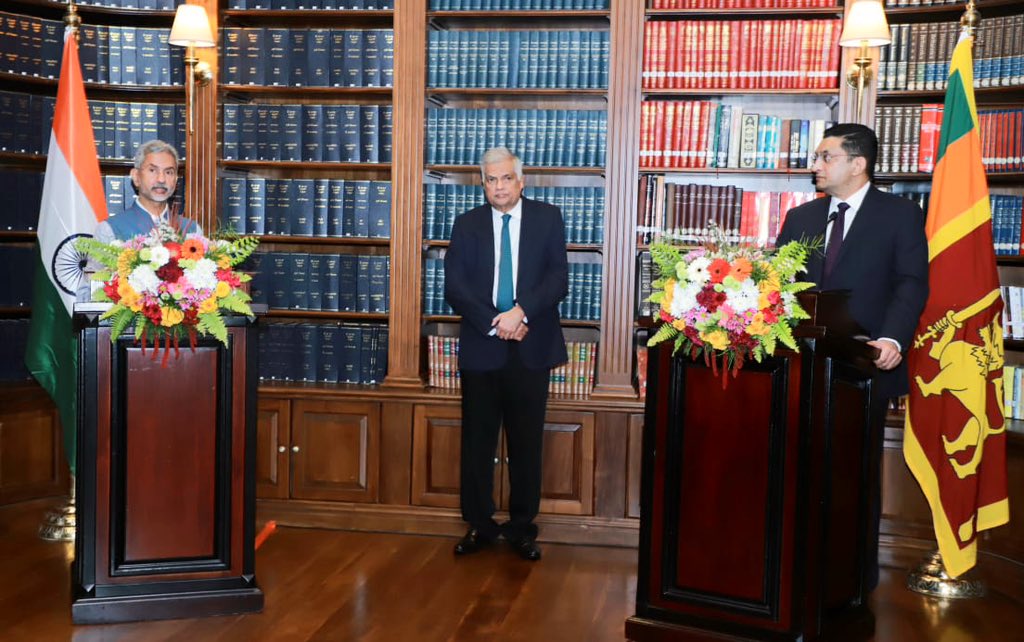
He made these observations during a joint press conference held at the Presidential Secretariat today (20) with the Participation of President Ranil Wickremesinghe and Minister of Foreign Affairs Mr Ali Sabry, to express India’s solidarity with Sri Lanka at this difficult moment.
He also said that Indian Prime Minister HE Narendra Modi invited President Ranil Wickremesinghe to visit India at an early date to discuss how the partnership between the two countries can facilitate Sri Lanka’s strong recovery and handed over an invitation to the President.
He added that India is a reliable neighbour and a trustworthy partner and is prepared to go the extra mile to assist Sri Lanka to meet its obligations. His presence in Sri Lanka is also a statement about Prime Minister Modi’s commitment to the neighbourhood first policy.
He further said that India encourages greater investments in the Sri Lankan economy, especially in core areas such as energy, tourism and infrastructure to assist in its speedy recovery.
He said that Sri Lanka has enormous renewable energy potential that can become a sustainable source of revenue and Trincomalee can emerge as an energy hub. In its support for Sri Lanka, India is prepared to be a reliable partner in such initiatives. He added that the two countries agreed on a renewable energy framework that would take this cooperation forward.
He further said that Sri Lanka should provide a more business-friendly environment to create a powerful pull factor. “I’m confident that the gravity of the situation is realized by policymakers. So energy security is today one of Sri Lanka’s most serious challenges. A search for solutions must necessarily encompass the larger region. Only then will Sri Lanka get the full benefit of scale,” Dr S. Jaishankar said.
He further said tourism is the lifeblood of the Sri Lankan economy and Indian tourists are expressing their positive sentiments to visit Sri Lanka. He added that there are many more steps the two countries can take to make the tourism industry sustainable. Strengthening connectivity and promoting travel is therefore a very high priority for both countries.
He said that the primary purpose of his visit to Colombo was to express India’s solidarity with Sri Lanka during these difficult moments. He added that last year India extended about USD 4 billion in terms of credits and rollovers to help Sri Lanka get through the economic crisis as it for India, was an issue of the neighbourhood first and not leaving a partner to fend for themselves.
He said that with the same sentiment, India feels strongly that Sri Lanka’s creditors must take proactive steps to facilitate its recovery this year. “India decided not to wait on others, but to do what we believe is right. We extended financing assurances to the IMF to clear the way for Sri Lanka to move forward. We expect that this will not only strengthen Sri Lanka’s position but ensure that all bilateral creditors are dealt with equally.”
He said that India has always supported both the political and economic stability of Sri Lanka. “The President briefed me on the question of political devolution and his thinking. I shared with him our considered view that the full implementation of the 13th Amendment and early conduct for provincial elections are critical in this regard. He said that durable efforts towards reconciliation are in the interests of all sections in Sri Lanka. I also spoke of the need to pay special attention to the requirements of the Indian-origin Tamil community.”
Minister of Foreign Affairs Ali Sabry recalled India’s significant assistance to Sri Lanka last year when it was going through the most serious economic crisis ever experienced. On behalf of President Ranil Wickremesinghe, he extended gratitude to Prime Minister Narendra Modi, and the Indian Government for the support of a US$ 4 billion credit line provided for the import of essential goods as well as other in-kind humanitarian assistance which enabled Sri Lanka to regain some measure of economic and financial stability. Foreign Minister Ali Sabry said that Sri Lanka is at a decisive juncture in discussions with the assurances to the International Monetary Fund ( IMF) to reinvigorate the country’s economy with the assistance of the IMF. As a creditor, once again, India has extended its support to officially back Sri Lanka’s debt restructuring program by conveying financial assurances to the IMF.
He said further that India would soon be or perhaps already is one of the largest and fastest-growing economies. Sri Lanka is watching India’s economic success and international prestige with great admiration.
He further added that India’s growth will be beneficial to the region as well as to Sri Lanka. For its part, Sri Lanka is confident it would recover from the current crisis with the goodwill and partnership of India for mutual benefit.
Sri Lanka’s banking sector, already facing pandemic-related asset quality challenges, has been further hit by its increasing exposure to the sovereign debts, several banking and finance analysts claimed.
With no access to external funds since 2020, the government has had to depend solely on domestic markets and the central bank to finance the fiscal deficit, they pointed out.
The increasing risk of domestic debt restructuring has reduced foreign investors’ appetite for sovereign debt (T-bills and T-bonds).
This has increased the burden on domestic banks – especially state-owned banks – to buy government paper, tightening their liquidity position.
Meanwhile, foreign banks are parking their excess liquidity with the central bank, as stricter counterparty limits due to sovereign-related risks have made them reluctant to lend to liquidity-deficient domestic banks
Banking-system profitability likely weakened in 2022 due to increases in provisioning, though slower credit growth likely kept banks’ capitalization stable, SL banking sector analytical report revealed.
Given the banking system’s large exposure to the sovereign (more than 40% of assets), a sovereign domestic debt restructuring would have to be accompanied by regulatory forbearance for domestic banks to mitigate capital erosion from NPV losses.
However, even if such forbearance was provided, the loss of interest revenues due to coupon cuts would erode most of the sector’s profitability, creating growth and lending challenges for banks.
Maturity extension would also lead to a further liquidity squeeze in the sector, reducing banks’ ability to support economic growth, they predicted.
Sri Lanka’s banks are facing higher bad loans as interest rates rise and the economy contracts, the central bank said as the country faces the worst currency crisis in the history of the intermediate regime monetary authority.
Stage 3 bad loans had reached 10.6 percent of loans, while banks were also hit by mark to market losses and possible re-structuring losses.
Sri Lanka’s rupee collapsed from 200 to 360 to the US dollar in 2022 after two years of money printing blew the balance of payments apart and interest rates shot up to 30 percent and the economy is expected to contract more than 8 percent this year.
“The financial sector is likely to encounter significant challenges in the face of the current economic environment with the contraction in economic output, sovereign debt restructuring, high interest rate environment, tax revisions and high exposure of the banking sector to SOBEs,” the central bank said in a report.
“Asset quality of the sector deteriorated in terms of stage 3 loans to total loans ratio. Stage 3 loans increased by Rs. 475.1 billion, recording a growth of 56.9 % and reached Rs. 1.3 trillion as at end August 2022,” the central bank said.
“Furthermore, stage 3 loans to total loans ratio increased to 10.6 % by end August 2022 from 7.6 % as at end 2021 induced by the increase in stage 3 loans and lower growth in credit.
The Criminal Investigation Department is set to take over the investigation into alleged malpractices in the introduction of fool proof liquor with QR code for all liquor products without addressing practical issues and mal practices in the implementation of this scheme.
State Minister of Finance Ranjith Siyambalapitiya is to lodge a complaint with the Criminal Investigations Department regarding alleged malpractices concerning liquor stickers on alcohol products.
Several bottles containing fake stickers were discovered from wine stores in Thambuththegama, Thalawa and Kahatagasdilliya. Previously it emerged that QR codes affixed to these stickers do not work and provide details on the product and tax paid.
Speaking in Parliament earlier this week, Justice Minister Wijeyadasa Rajapakshe said the tender to supply tax stamps had been awarded to one of the most corrupt companies in the world, which has been blacklisted in many countries.
The company has been found guilty of distributing tax stamps to companies for payment, leading to millions in losses to State coffers.
The State Minister of Finance received a report on the matter from the Excise Director General recently and the Ministry has decided to refer the matter to the CID.
The Ministry has also assigned a service provider to verify reports on malfunction of QR codes, whilst a separate unit was formed at the Excise Department to investigate tax collections in relation to stickers issued.
The Sri Lankan Excise Department launched a special app recently titled ‘Excise Tax Stamp Validatot’, whereby consumers could verify the authenticity of tax stamps and report any discrepancies to the department.
The government has introduced the fool proof sticker scheme for all imported and local liquor products amidst industry protests and mounting allegations against the sticker printing deal.
The department will take action to cancel the licenses of liquor traders who fail to comply with the relevant regulations of the fool proof sticker scheme under the Excise Notification No. 01/2021, he added.
The previous regime has continued the contract given to Indian company Madras Security Printers Pvt Ltd by a tender initially called in 2016 and recalled in 2017 due to technical issues.
According to the 5-year contract, the Indian company has to supply 384 million stickers per year and 32 million per month, but its supply has been irregular and their printing paper quality was low and it could easily be duplicated by anyone, a senior Treasury official said.
Several local liquor manufacturers noted that the quality of the samples of fool proof liquor stickers was not suitable for use in their high-speed machines.
They have protested over the selection of this printer with allegations of its involvement in two scandals in India and Kenya in 2017 and 2018 and the impracticality of the fool proof liquor scheme.
The Indian company’s bid for the deal was US$5.99 to print 1000 stickers during the second tender although its initial bid was $3.19; other bidders claimed adding that one of them has placed a bid of $4.57 per 1000 stickers and the lowest bid was $2.8 per 1000.
Therefore the then government has been compelled to pay an additional amount of $1075200 (or slightly over $1 million) for 384 million stickers obtained in the first year, the Auditor General’s relevant report revealed.