Chief of Defence Staff General Shavendra Silva has urged all citizens to support the security forces and the Police to maintain peace in the country.
He made this request calling in a special briefing.
MIAP
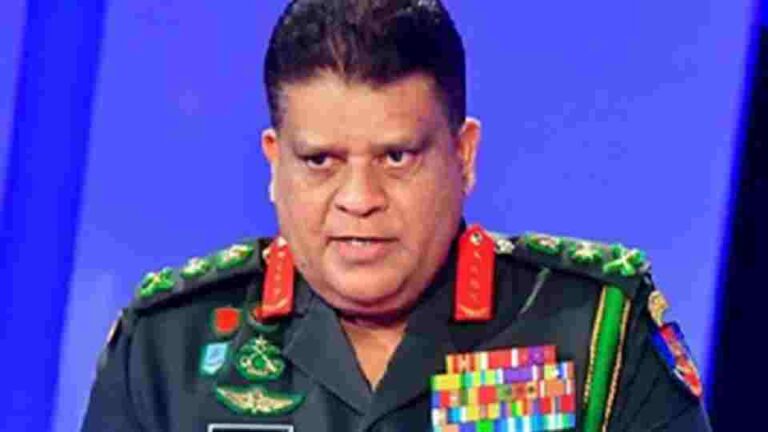
Chief of Defence Staff General Shavendra Silva has urged all citizens to support the security forces and the Police to maintain peace in the country.
He made this request calling in a special briefing.
MIAP
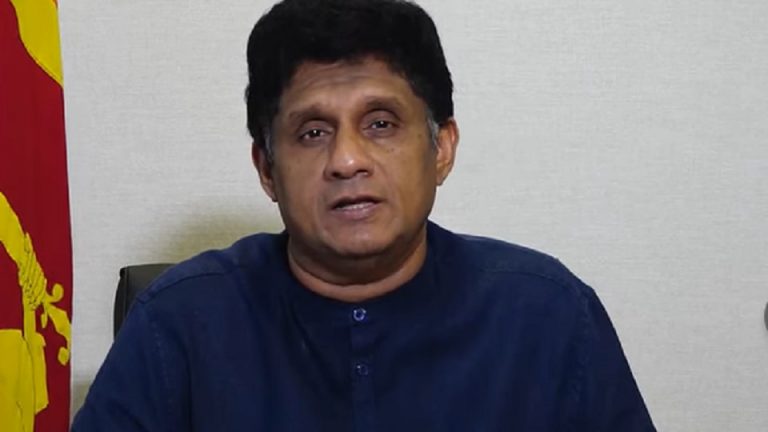
Leader of the Opposition Sajith Premadasa has vehemently condemned the recent arson attack on Prime Minister Ranil Wickremesinghe yesterday (09).
“I join all peaceful Sri Lankans in fiercely condemning the barbaric arson attack on Prime Minister Ranil Wickremesinghe’s private residence. This is not the way that problems are solved in civilised democracies. There’s no excuse for violence or burning down houses,” the Opposition Leader wrote on his twitter handle.
He added: “My thoughts are with the Prime Minister and his wife Maithri at this difficult time. Immediate steps must be taken to prevent further violence and those who were truly responsible for this act of barbarism must be held accountable.”
MIAP
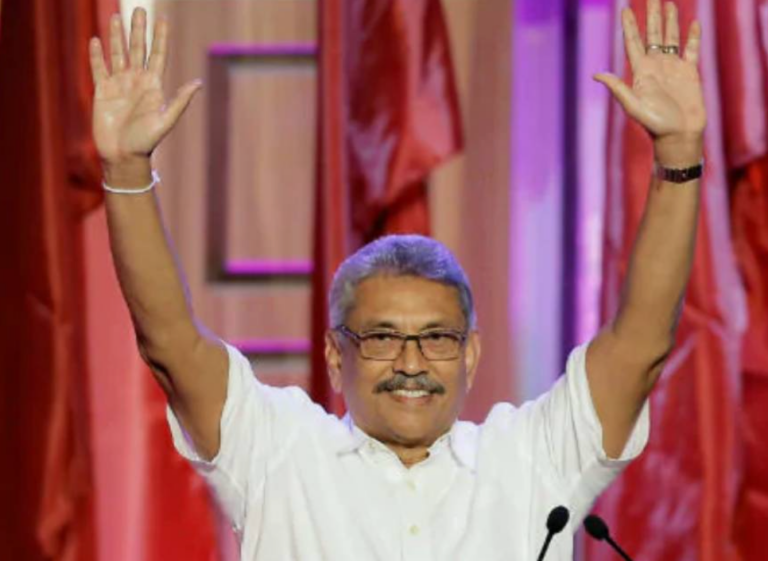
President Gotabaya Rajapaksa is set to officially announce his resignation on July 13, revealed Speaker Mahinda Yapa Abeywardena.
Revealing his telephone conversation with the President, the Speaker noted that Gotabaya Rajapaksa wished no more unrest in the country as there should be a peaceful transition of power.
We earlier revealed of Rajapaksa’s decision to resign as he had confirmed his move in the afternoon. The President, however, is delaying his official announcement to avoid the occurrence of Ranil Wickremesinghe being spontaneously appointed as the acting President upon such a resignation.
Accordingly, Rajapaksa has willingly delayed his announcement.
MIAP
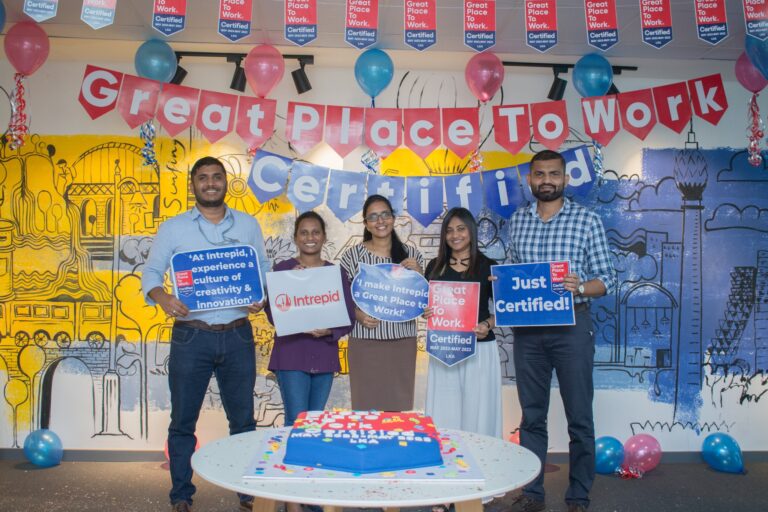
Photo Caption:
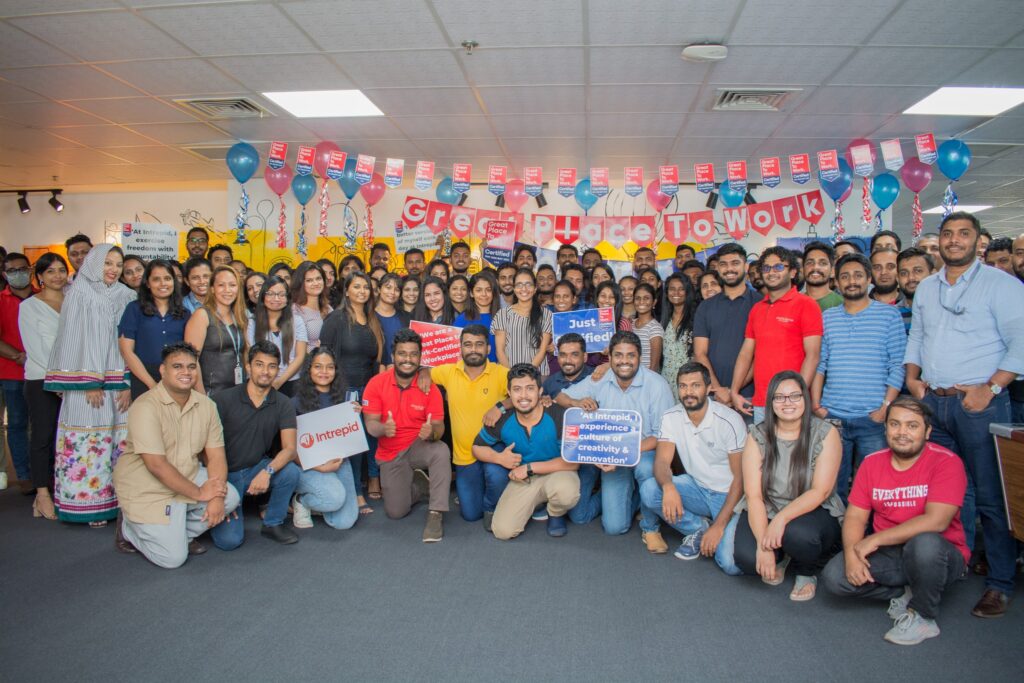
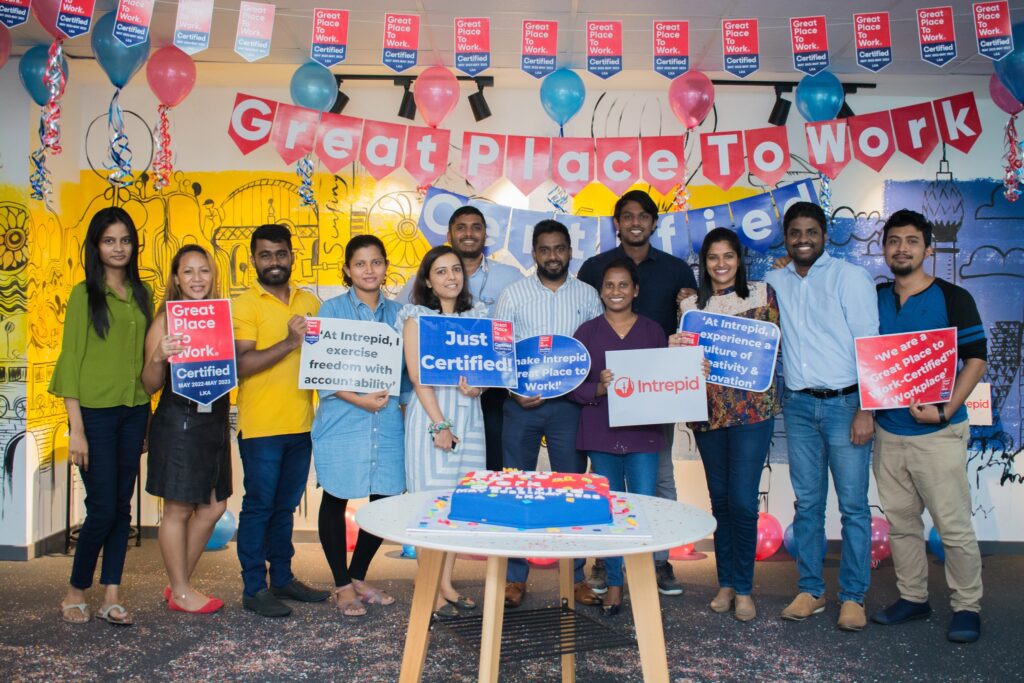
Intrepid Colombo, part of Intrepid Travel, the world leader in sustainable experience-rich travel with a mission to create positive change through the joy of travel, was bestowed with the Great Place to Work Certification™ in recognition of its vibrant and distinctive workplace culture, garnering an overall 98 percent in the Trust Index Survey.
The survey received a score of over 94 percent in various aspects such as engagement, justice, integrity, and leadership behavior, with 98 percent agreeing to the company’s approach on equality, working environment, and going onto strongly endorse Intrepid Colombo to friends and family.
“Intrepid isn’t just a business that is here to make a profit. We want to create positive change in the world – whether that’s for our staff, our customers, our colleagues or the communities we visit on our trips. I’m thrilled that this certification recognises our culture and values and the work of our amazing team here in Colombo,” said Intrepid’s Managing Director Asia, Anu Karunatilaka.
Intrepid Colombo was started back in October 2012 to provide IT development services to the Intrepid (then PEAK) group. Since then, it has grown fast and now not only provide IT development but also IT service support, financial services (AP/AR/System), customer services, HR services as well as support services for back-office travel related processes for the Intrepid Global offices, also a Destination Management Company. Intrepid Colombo has grown fast from a handful of staff to now over 170 in 10 years on track to be the biggest office in head count and are fast becoming a centre of excellence for services within Intrepid.
Employees at Intrepid Colombo enjoy a relaxed and vibrant work environment with access to an open office concept, hot desks and a leisure area including pool table and resting pods. They can opt-in for flexible work schedules, balancing their work with other commitments at home. The ‘four-week work-from-anywhere’ option at Intrepid lets one work from any location, preferably another of Intrepid’s 26 global offices, too.
Every employee at Intrepid is offered one free tour per year, plus five additional days leave to use towards this. This enables employees to experience trips for themselves, meet tour leaders and customers and have the opportunity to explore the world. There are also generous travel discounts for friends and family. Other benefits include salaries pegged to the Australian dollar, two weeks paid parental leave for new parents in addition to any government parental leave.
Intrepid is a certified Benefit Corporation (B Corp), independently verified to have the highest environmental, social and governance standards. As a B Corp, Intrepid balances making a profit with having a purpose. This means that its financial bottom line must be balanced equally with its environmental and social impact on the people and places visited.
As a certified B Corp, Intrepid is committed to building an inclusive global culture. The global team includes members from 65 different nationalities with the opportunity to work and collaborate globally with a diversity of cultures, languages and ethnicities.
As a certified B Corp, Intrepid is deeply committed to the wellbeing of its employees. Last year, despite the impacts of COVID-19 on the travel industry, the company received the highest ever staff engagement score of 82 per cent. Every employee plus their immediate family can access four free counselling sessions per year via its Employee Assistance Program. Employees are also encouraged and given 20 hours per year to use towards volunteer work for a project or cause in their local community that they feel passionately about.
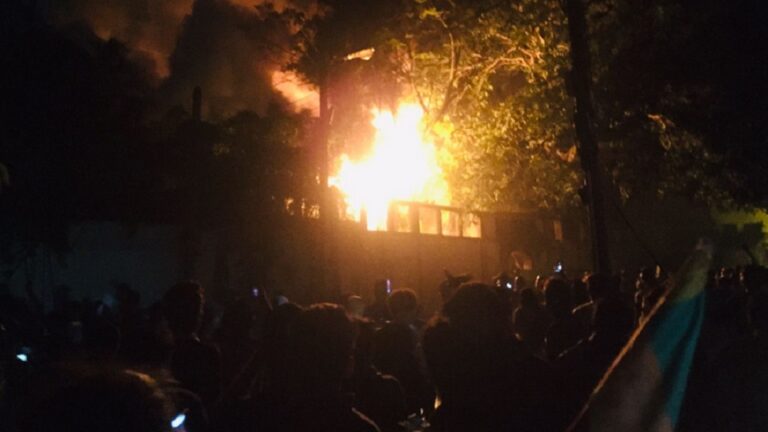
Protesters have broken into the private residence of Prime Minister Ranil Wickremesinghe and have set it on fire, footage reveals.
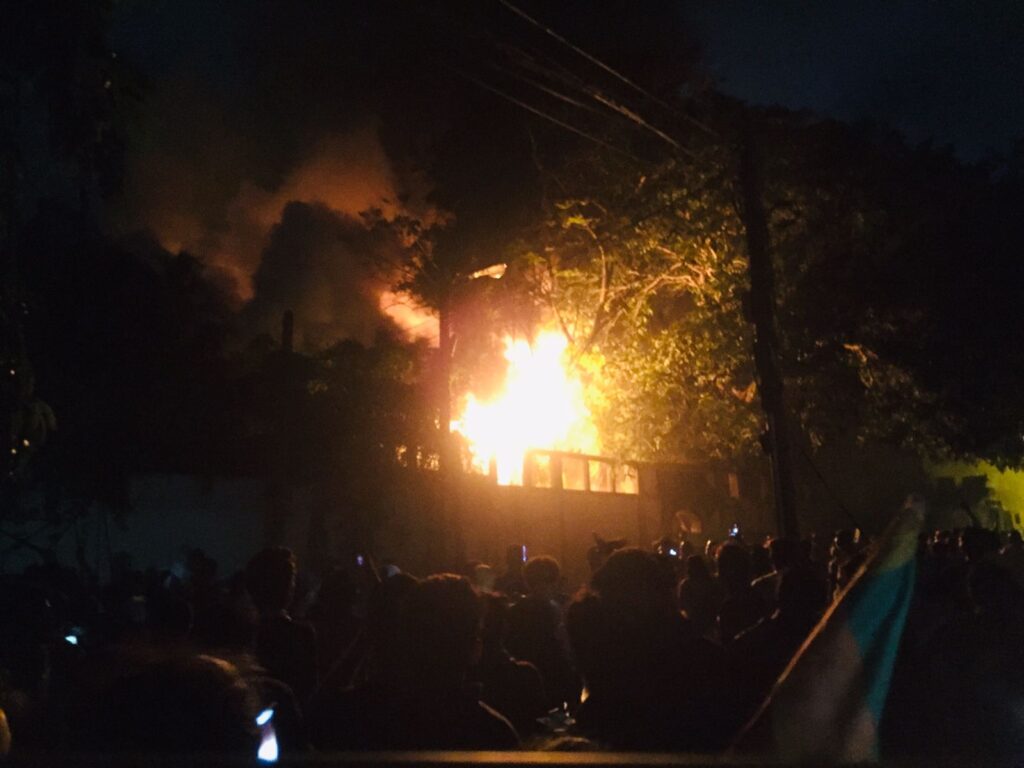
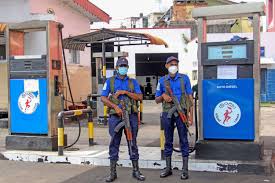
Sri Lanka is agreeing to pay crazy prices plus commissions for a 40000 MT of fuel, SJB MP Dr. Harsha de Silva alleged
“We hear numerous ‘local agents’ are crawling out of the woodwork for ‘emergency procurements’. As oil prices are crashing, Sri Lanka is agreeing to pay colossal prices plus Rs 700 million ‘commissions’ per 40000 MT shipment to crooks and thieves” Dr. de Silva said in his Twitter.
The issue was raised in Parliament yesterday where Dr. de Silva said CPC officials were summoned before Committe on Public Enterprises (COPE) to discuss matters pertaing to oil, but they have refused to be present yesterday.
Prime Minister Ranil Wickremesinghe who responded said, adjust times, so that COPE could meet CPC officials. “It was me who wanted COPE to look into these matters,” the PM said. 5 Ships carrying fuel expected to arrive next week but no shipments till July 10.
Sri Lanka will receive five shipments containing petrol diesel, furnace oil and criude oil this month a top government official confirmed adding that this will be relef for the people waiting in long queues for severaldas ner fuel filling stations expecting arrival of fuel bowsers to petrol sheds in various parts of the island.
One ship carrying diesel is expected to arrive at the Colombo Port on July 12, petrol shipment on July 14 , furance oil on July 13 and crude oil shipments on July16,17, and 18, he added.
Earlier Sri Lanka’s Chief of Staff of the Prime Minister, Sagala Ratnayake stated that several discussions and attempts to secure a fuel shipment before the expected date are being carried out.
The PM’s Chief of Staff confirmed that a shipment of Diesel of 38,000 MT is expected to arrive in the country on July 12.
The Ministry of Power and Energy claimed orders had been placed for 10 fuel ships, but not a single would arrive before 10 July.
The LIOC sources said that they are expecting three petrol and diesel shipments soon without menationing the dates.
The Ceylon Petroleum Corporation (CPC) does not have dollars to pay for suppliers and it doesn’t have rupees to pay its employees, a top official said.
“In the last few months, all our income generating sources have stopped. We are paying workers with a bank overdraft, he disclosed
The CPC has to pay about US$ 800 million for fuel shipments they have purchased earlier,” the official said.
Ratnayake further claimed that while one Petrol shipment from India is expected to arrive by July 22 and the CPC has been carrying out efforts to secure a Petrol shipment by July 10.
A total of 11,000 MT of Diesel, 5,000 MT of Petrol, 30,000 MT of Furnace Oil, and 800 MT of Jet Fuel are currently available in the country
The current Diesel stocks in the country will only be used for essential services until the arrival of a new shipment. 33,000 MT of gas will arrive in the country in July, and a total of 100,000 MT of gas will be procured for the next four months, the local media reported.Shipments are due on 10th. 12th.14th 16th, 17 th 18 th 19th, 21st, and 31st July, it added.
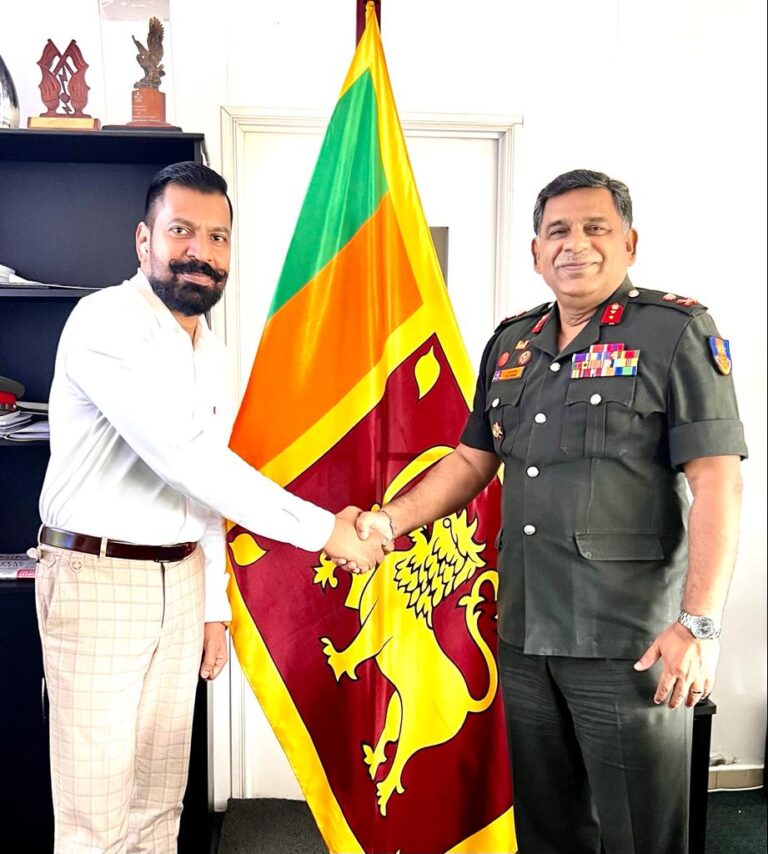
Photo Caption:
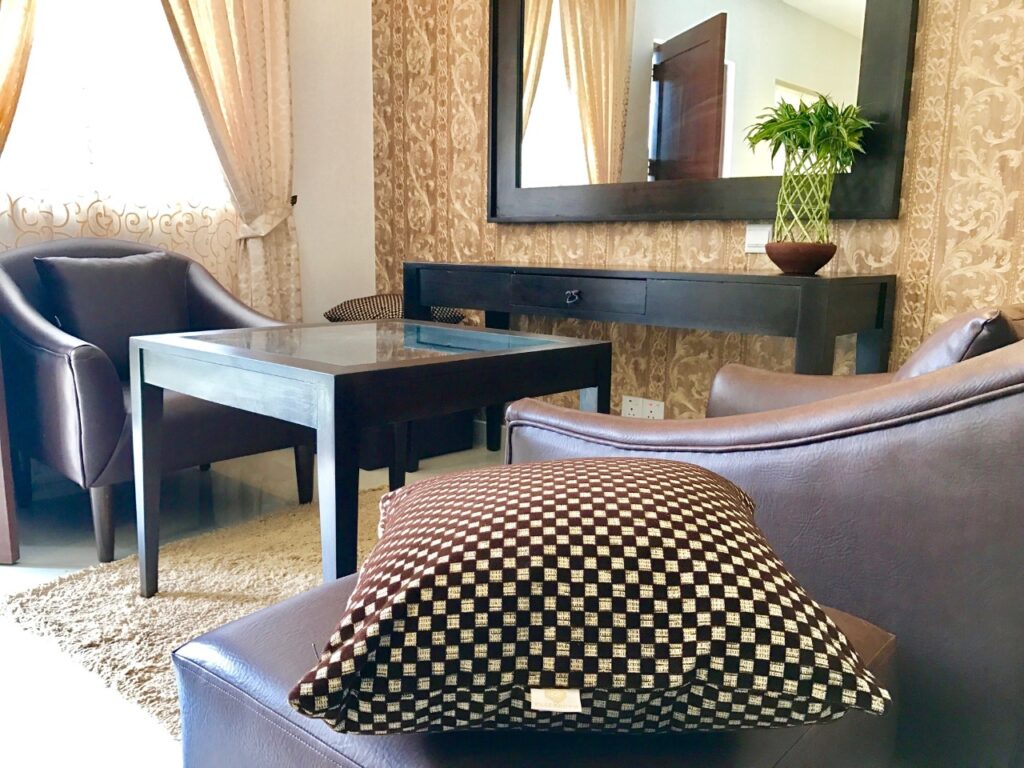
Kitchen & Bedroom, one of the preferred partner and leader in the industry providing total solutions in space planning and designing, was recently commended for its interior project carried out at Laya Leisure, a stunning hotel property situated amid lush tropical vegetation with spectacular views in Molkawa, Kurunegala managed by the Sri Lankan Army.
Major General Sudantha Ranasinghe (Rtd.) who is the Director General of Disaster Management at Ministry of Defence extended his appreciation to Kitchen & Bedroom’s Group CEO Dr. Mohammed Rushmi Sacquaff for his highly personalized and meticulous details of designing, architectural manufacturing and arranging all the shales, including the eye-catching color combination and the superior quality of materials used during the project.
Further, Major General Ranasinghe appraised Dr. Sacquaff’s knowledge and experience for this advanced and unique thinking of the structure, professionalism and the timely delivery of the project. Dr. Sacquaff brings a wealth of expertise and contribution to the field of interior designing, equipped with a Doctorate in Interior Designing by the American National Business University, Delaware, USA.
Dr. Sacquaff continues to lead Kitchen & Bedroom, which today is a sought-after interior planning and designing outfit, as its chief designing consultant across projects in addition to being the Group CEO. His knack for capturing and designing highly evolving living spaces blending the best of luxury, comfort and functionality is acknowledge by numerous clients. Dr. Sacquaff also mentors and leads a team of highly qualified interior designers, inspiring them with refined artistry and craftsmanship.
Dr. Sacquaff believes in providing customers the best possible advice and solutions in optimizing and realizing their interior space, color and style, guiding and taking them through every step of the project including consultations and 3D drawings and more advanced services such as color balancing and lighting and electrical layout design, all free of charge.
Kitchen & Bedroom recently also incepted its very own state-of-the-art quality-controlled manufacturing and assembling facility in Colombo equipped with German and Spain technology with ambitious plans to expand and enter to key export markets. Last year, Dr. Sacquaff was named ‘Best CEO of the Year’ at BIO Awards, was recently conferred as Master Project Manager (MPM) and designated as Fellow of the American Academy of Project Management (FAAPM).
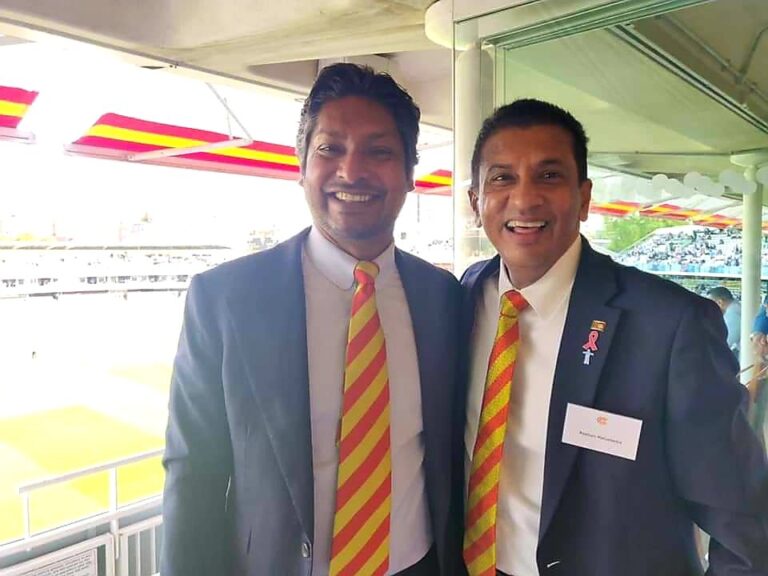
Two former Sri Lanka skippers and renowned cricketers Roshan Mahanama and Kumar Sangakkara expressed their solidarity to the people’s struggle against the inefficient regime led by President Gotabaya Rajapaksa.
They urged the people of Sri Lanka join hands in the struggle to free-from the ruling politicians who were mainly responsible for the economic down turn in the country .
Internationally acclaimed cricketer and former Sri Lanka Captain Kumar Sangakkara who led the SL team towards glorious victories noted that although he is not an economist,he can see the need of an urgent solution for the burning economic problem ,
He noted that bringing fuel shipment or two will not solve this problem. and the people should come forward in unison at this decisive moment for a change of corrupt and inefficient regime .
Former Sri Lanka skipper Roshan Mahanama noted that all citizens of this country should extend their support to current struggle to make it as the first national unity struggle for a regime change since 1948.
He noted that this may be the last chance for the people to change the most corrupt political system hand he will also participate in the protest as he needs to save the country for future generations and as a person who has already enjoyed two third of his life time.
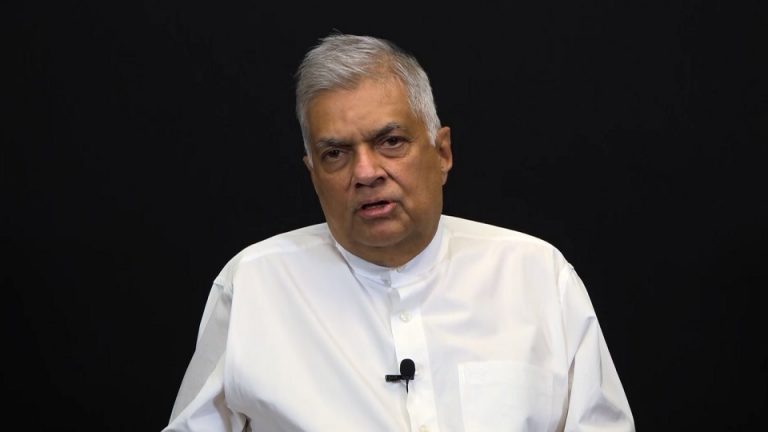
Prime Minister Ranil Wickremesinghe has told the Party Leaders that he is willing to resign as Prime Minister and make way for an all-Party Government to take over.
He says he is taking this decision in view of the fact that island-wide fuel distribution is due to recommence this week, the World Food Program Director is due to visit the country this week and the Debt Sustainability report for the IMF is due to be finalised shortly.
So as to ensure safety of the citizens, he is agreeable to this recommendation by the Opposition Party Leaders.
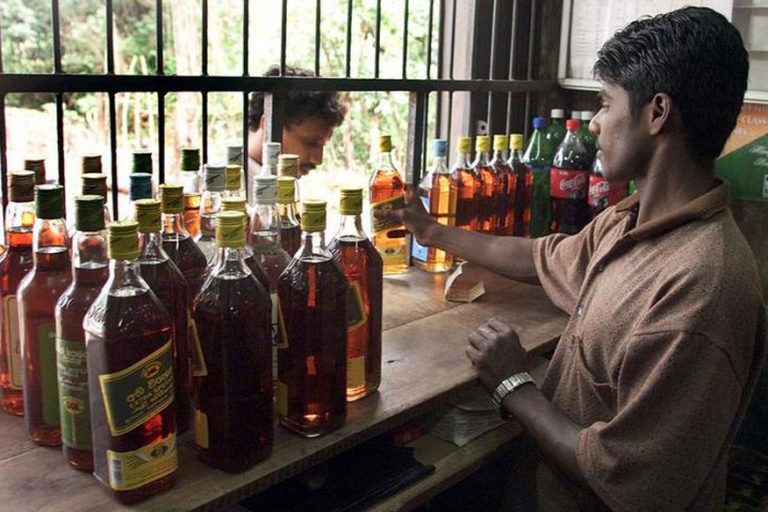
Due to the crisis situation in the country, an order has been issued that all liquor shops should be closed from 05 pm today. The Excise Department has issued this order.
Accordingly, all liquor shops will be closed tomorrow till 09 am.