Home Blog Page 400

NPP women MPs call for justice reforms and ethical media reporting following Anuradhapura Hospital assault

0

By: Isuru Parakrama

March 15, Colombo (LNW): The recent sexual assault of a doctor at Anuradhapura Hospital has reignited discussions around the pervasive violence against women in Sri Lanka.

The National People’s Power (NPP) Women Members of Parliament have expressed solidarity with the victim whilst calling for systemic reforms to address the ongoing issue of gender-based violence.

They emphasised that the fight must not be confined to the identity of individual victims, but rather focus on dismantling the broader culture of misogyny and violence against women that persists in society.

The MPs noted that crimes against women, ranging from sexual harassment to assault and even murder, are alarmingly frequent in Sri Lanka. These acts, they argue, are not only a result of physical violence but also the pervasive culture of hate speech and online abuse that dehumanises women.

This culture, they said, feeds into the normalisation of violence against women and creates an environment in which such crimes are overlooked or trivialised.

The NPP Women MPs specifically raised concerns over the media’s handling of the victim’s statement, criticising the lack of sensitivity towards survivors of violence.

They stressed that violations of privacy, particularly in the media, often lead to victim-blaming and further discourage women from coming forward to report crimes.

The MPs urged the media, law enforcement, and the judiciary to prioritise the privacy and dignity of survivors to ensure that victims feel empowered to report such incidents without fear of further harm or stigma.

The MPs also called for urgent reforms to the criminal justice system, insisting that clear and strict standards be established for the police, judiciary, and media when handling cases of gender-based violence.

They underscored the need for these reforms to focus on the lived experiences of women, to better support them through the legal process and beyond.

In closing, the MPs appealed to society to show empathy, refrain from gossip and speculative theories, and work together to protect survivors from further harm.

They called for a collective commitment to combatting the “silent epidemic” of violence against women and ensuring that survivors are given the support they need to seek justice.

Full Statement:

ACollective Pledge for Justice Reforms and Demand for Ethical Reporting – NPP Women MPs

The Sexual Assault of a doctor in Anuradhapura hospital has once again sparked a discussion on our collective failure to combat violent crimes against women. While we express our solidarity and empathy with the survivor of this particular incident we also stress that regardless of the social category or the identity of the victim, our mission should be to dismantle the culture of violence against women.

Every day we hear of one crime or the other against women, ranging from murder to sexual assault to sexual harassment at a workplace or in cyber space. Hate Speech against women is normalized indicating a deeper problem of a culture of misogyny which builds towards a culture of physical and sexual violence. It is important to understand that often normalized acts of online abuse and verbal harassment are part and parcel of a culture that considers women to be sub- human.

If we take this particular incident we notice the same casual misogyny taking over what was initially an empathetic response from all quarters of the society.

Therefore as women, who have continuously advocated for reforms to support survivors of violence and harassment, we consider it our duty to contribute to the public debate as we strive in our capacities to reform the systems tacking violence and harassment against women.

We are especially deeply concerned about the publication of the victim’s statement in the media and the lack of sensitivity in our system towards violent crimes against women which leads to such lapses. The law enforcement authorities and the media must act with sensitivity towards survivors of violence and harassment. In a large number of cases women are discouraged to report incidents of violence and harassment to authorities precisely because of the stigma attached to their names from there on. Every survivor has a right to privacy. The judiciary, police and the media must prioritize the privacy and well-being of survivors if we are to encourage reporting of crimes to authorities.

Often such violations of privacy lead to victim blaming on a large scale, as we see in this case too. Social media chatter about the supposed credibility of the actions of the woman following the crime creates a culture of shame and self-doubt which prevents women from reporting sexual assault to authorities.

Therefore we request everyone to protect the privacy of the woman involved and refrain from gossiping and sharing misguided theories about such violent crimes. Survivors do not have one size fit all reactions. In order to combat this silent epidemic of violence against women we must center our justice system on the experience of women who face such situations.

Therefore we urge that necessary reforms to our criminal justice system and media should be made to enhance our institutional capacity to combat violence against women. Clear and definite standards should be put in place for the police, the judges and the media to handle cases of crimes against women. As a society we need to approach these crimes with empathy protecting the privacy of the survivors without adding to her burden and discouraging women from coming forward to report and seek justice.

1 Dr. Harini Amarasuriya, Prime Minister and Minister of Education, Higher Education and Vocational Education
2 Ms. Hemali Weerasekara, Deputy Chairperson of Committees
3 Ms. Saroja Savithri Paulraj, Minister of Women and Child Affairs
4 Ms. Sagarika Athauda, Attorney-at-Law, Member of Parliament
5 Dr. Kaushalya Ariyarathne, Member of Parliament
6 Ms. Oshani Umanga, Member of Parliament
7 Ms. Krishnan Kalaichelvi, Member of Parliament
8 Ms. Nilanthi Kottahachchi, Attorney-at-Law, Member of Parliament
9 Ms. M.A.C.S. Chathuri Gangani, Member of Parliament
10 Mrs. Nilusha Lakmali Gamage, Member of Parliament
11 Mrs. Samanmali Gunasingha, Member of Parliament
12 Mrs.Thushari Jayasingha, Attorney-at-Law, Member of Parliament
13 Ms. Anushka Thilakarathne Attorney-at-Law, Member of Parliament
14 Ms.A.M.M.M. Rathwaththe, Member of Parliament
15 Ms. Hasara Liyanage, Attorney-at-Law, Member of Parliament
16 Ms. Deepthi Wasalage, Member of Parliament
17 Ms. Hiruni Wijesinghe Attorney-at-Law, Member of Parliament
18 Ms. Ambika Samivel, Member of Parliament
19 Ms. Lakmali Hemachandra, Attorney-at-Law, Member of Parliament
20 Ms. Geetha Herath, Attorney-at-Law, Member of Parliament

Enhancing Sustainability and Efficiency in Sri Lanka’s Construction Industry

0

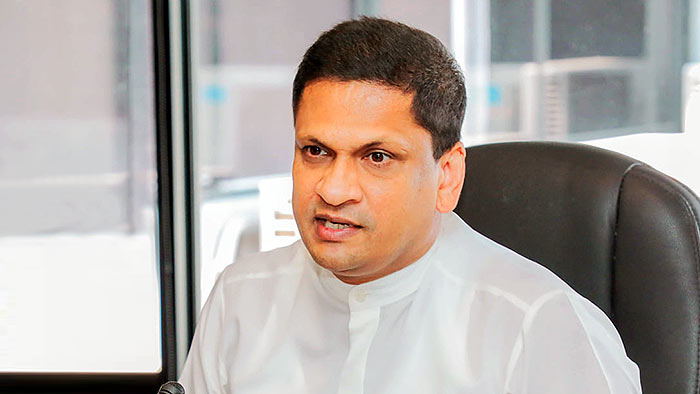
 Governor of the Central Bank of Sri Lanka (CBSL), Dr. Nandalal Weerasinghe, emphasized the need for a cost-effective and sustainable construction sector in Sri Lanka, outlining the challenges and opportunities facing the industry.

Speaking at ‘Construction Expo 2025,’ Dr. Weerasinghe highlighted the importance of aligning with global trends by incorporating energy-efficient solutions and environmentally friendly building practices. He clarified that his views were personal observations rather than official CBSL policy and stressed that sustainability should apply to both new developments and existing structures.

He acknowledged that the construction sector has been significantly impacted by economic difficulties in recent years. Factors such as reduced public investment, high material costs, and dependence on government-funded projects have strained the industry. Additionally, fiscal constraints limited infrastructure spending, delaying contractor payments. However, he assured that outstanding arrears had now been cleared, helping stabilize the sector.

Material costs surged due to foreign exchange shortages, leading to higher prices for construction materials. Currency depreciation, high interest rates, and increasing financing costs further exacerbated these challenges. Dr. Weerasinghe noted that the construction industry had been among the hardest hit by these economic pressures.

On a positive note, he pointed out that the 2025 national budget allocates Rs. 1.3 trillion for public investment, with a significant portion directed toward construction projects. This allocation includes resumed projects previously suspended due to financial constraints. Additionally, foreign-funded projects are expected to restart, which should provide further economic stimulus.

Despite these positive developments, Dr. Weerasinghe cautioned against excessive reliance on government funding. He urged the industry to diversify by exploring private-sector partnerships and export opportunities, as no economy can sustain a construction sector solely dependent on public investment.

Another challenge he addressed was the high cost of construction in Sri Lanka, which remains elevated compared to similar economies in the region. He stressed the need for greater efficiency in resource utilization and suggested that industry stakeholders focus on maximizing output per rupee spent.

A major issue affecting the industry is the shortage of skilled labor. Dr. Weerasinghe emphasized the need for government-led training programs to enhance the skills of workers and promote technological advancements. He noted that Sri Lanka’s construction sector employs a disproportionately large workforce compared to global standards, and adopting modern technologies could improve productivity while reducing labor dependency.

 He also pointed out that low wages deter young people from joining the industry. By equipping workers with better skills and integrating advanced technologies, the sector could offer more attractive salaries, encouraging greater participation from the workforce.Dr. Weerasinghe concluded by advocating for long-term policy reforms to make Sri Lanka’s construction sector more competitive, sustainable, and cost-efficient. He emphasized that a well-functioning industry benefits all stakeholders, from low-income households to large-scale industrial projects, reinforcing the importance of modernization and strategic planning for future growth

Sri Lanka conducts its first ever animal census on monkey, squirrel, and peacocks

0

Sri Lanka has conducted its first-ever animal census, excluding elephants, officials said on Friday.adding that  people across the island will count Toque monkeys, purple-faced langurs, giant squirrels, and peacocks between 8 and 8:05 a.m. (local time) on Saturday. The aim is to assess the impact of human wildlife conflict on annual crop damage. “We hope everyone will participate and extend support to this valuable exercise,” GVV Shamini, Additional Director for Development from the Department of Agriculture, told reporters.

She said around 40,000 state officials covering the over 14,200 administrative units nationwide will be deployed for the census. “The data will be important for assessing crop losses and action needed to minimise the impact on animals,” said J. ushpakumara, Director of the Ministry of Agriculture.

The animal census is not being conducted with the aim of obtaining 100% accurate data but rather as a survey to estimate the number of monkeys, giant squirrels and peacocks living in these areas, Agriculture Deputy Minister Namal Karunaratne said.

Addressing a television programme, he said that the data obtained from the census is expected to be used to enhance agricultural productivity.

“Sometimes, we may need to conduct another round of this survey, which will require more time. While we can gather some useful insights, we cannot claim that the data will be 100% accurate. There must be relevant data for analysis, which would then allow us to conduct a study on the country’s wildlife,” he said.

As part of the census, forms are being distributed to every household, and everyone, including children, is encouraged to participate. This initiative aims to engage the public, as no similar activity has been conducted before. This time, the animal census will be conducted in the form of a survey.

“The survey will focus solely on monkeys, giant squirrels and peacocks within a specific time frame in designated areas. It will not include other wild animals found in forests or agricultural zones. If we were to add porcupines and wild boars to the list, it would be impractical, as these animals are nocturnal and roam at night,” the Minister explained.

The census is scheduled to take place nationwide on March 15, from 8:00 to 8:05 a.m.

This survey aims to provide a rough estimate of the number of wild animals coexisting with humans in areas within five minutes such as farmlands, estates, home gardens, religious sites, and schools, excluding forests and dense vegetation.

Once the data is collected, it will help identify the regions with the highest populations of the specified animals. Additionally, this information could be incorporated into school curriculum materials, benefiting students from Grade Five to university level.

“We do not have the means to use advanced technical methods for this census, as it would be costly. Instead, we are conducting a participatory survey,” he said.

 “Sometimes, survey papers may be given to those who are not interested, but we cannot refuse to distribute them. Everyone should have access to the survey,” Minister Karunaratne added.

Therefore, Minister Karunaratne urged the public not to view this initiative through a political perspective, emphasizing that everyone must contribute to the development of agriculture in the country.

Empowering Women Entrepreneurs: Strengthening Sri Lanka’s Export Potential in Agriculture

0

A strategic initiative by the German Import Promotion Desk (IPD) is playing a pivotal role in enhancing the export potential of 20 women-led agribusinesses in Sri Lanka. This comprehensive program is equipping female entrepreneurs with critical skills, technical knowledge, and international market exposure, helping them integrate successfully into the global trade ecosystem.

In collaboration with the Sri Lanka Export Development Board (EDB), IPD Germany has launched the second phase of the EDB-IPD Women-Led Exports Capacity Building Programme. This initiative is designed to provide targeted training, continuous mentorship, and structured guidance to help these businesses navigate the complexities of international trade and sustain long-term success in global markets.

Angie Martinez from IPD Germany emphasized the importance of fostering strong trade connections while simultaneously investing in capacity development. “Establishing trade linkages with international buyers is essential, but true success comes from sustained growth and resilience in global trade. This program ensures that women entrepreneurs are not just entering the export market but are fully equipped to thrive in it,” she stated.

The initiative, which commenced in December 2023, has already made significant strides in strengthening the capabilities of women entrepreneurs in Sri Lanka’s agri-food sector. The program focuses on enabling businesses to meet stringent international quality standards, ensuring compliance with global trade regulations, and facilitating connections with European markets. By providing hands-on training and real-world exposure, the initiative empowers women-led businesses to compete effectively on a global scale.

German Ambassador Felix Neumann reaffirmed Germany’s commitment to fostering women’s economic empowerment and supporting sustainable trade partnerships. He highlighted that structured export assistance, sustained mentorship, and increased market access are vital to enabling women-led enterprises to not only establish themselves in international markets but also to grow and expand their operations over time.

EDB Chairman and CEO Mangala Wijesinghe underscored the importance of this program in achieving Sri Lanka’s broader export growth objectives. He outlined ambitious export targets for the next five years and encouraged participants to take full advantage of the opportunities presented. He reiterated the EDB’s commitment to long-term business development, ensuring continuous support through networking with international buyers, providing strategic market insights, and offering hands-on guidance to help these businesses scale globally.

By nurturing women entrepreneurs and equipping them with the necessary tools for success, this initiative contributes not only to the growth of individual businesses but also to the broader economic development of Sri Lanka. With a strong focus on capacity building, international networking, and sustainability, the program is paving the way for women-led enterprises to emerge as key players in the global agricultural trade landscape

Resilient Investors Drive Sri Lanka’s Economic Growth despite Challenges

0

Investing in Sri Lanka during times of economic turmoil is not for the faint-hearted. However, a select group of visionary investors have repeatedly placed their trust in the country, drawn by their deep-rooted connection and belief in its potential, says senior director of several local companies Dinesh Weerakkody..

These individuals and corporations have remained steadfast in their commitments, despite political instability and financial crises. Their investments have played a pivotal role in stabilizing industries, generating employment, and reinforcing Sri Lanka’s position as an attractive investment destination, he added. .

Investors Who Made a Difference

Sri Lanka’s development has been significantly influenced by both large multinational corporations and individual investors willing to take calculated risks. These contributions, though sometimes overlooked, have been instrumental in boosting key sectors, including tourism, manufacturing, infrastructure, and technology.

One of the most notable investors is the Kuok family, whose Shangri-La hotel chain has elevated Sri Lanka’s luxury tourism industry. Their properties in Colombo and Hambantota have demonstrated long-term confidence in the country’s tourism sector, even with setbacks like the Easter Sunday attacks and the economic crisis, he highlighted.

Nepalese billionaire Binod Chaudhary, through CG Corp Global, has been another strong proponent of investment in Sri Lanka. His holdings in Jetwing Hotels and Union Bank, as well as collaborations with John Keells, underscore his belief in the country’s economic future. His interest in manufacturing and consumer goods further highlights his diverse investment strategy.

The late S.P. Tao was an early investor with remarkable foresight. He developed the iconic World Trade Centre in Colombo, committing $100 million—Sri Lanka’s largest foreign direct investment (FDI) in the 1980s. His family has continued this legacy through the Havelock City development, further contributing to the country’s real estate sector.

Strategic Infrastructure and Industrial Investments

Indian billionaire Gautam Adani has emerged as a major investor in Sri Lanka’s infrastructure. The Adani Group’s investment in the West Container Terminal at Colombo Port marks a significant step in the maritime industry. This move not only reflects Adani’s confidence in Sri Lanka’s strategic location but also encourages broader Indian private sector involvement in infrastructure projects.

Belgian entrepreneur Pierre Pringiers has also made an indelible mark. He founded Solideal-Loadstar, a tyre manufacturing company specializing in industrial and construction vehicle tyres. His perseverance and belief in Sri Lanka’s potential led to Loadstar becoming part of Michelin. Pringiers also ventured into yachting businesses, demonstrating his entrepreneurial versatility.

 Broader Contributions Across Sectors

 Beyond individual investors, various corporations and funds have played a vital role in Sri Lanka’s economic landscape. High-net-worth individuals such as Mark Mobius and funds like Norges, Aberdeen, Fairfax, and Templeton have actively invested in the Colombo Stock Exchange. Telecommunications giant Dialog Axiata PLC has revolutionized connectivity, while major firms like Hambantota International Port Group Ltd. and CHEC Port City Colombo Ltd. have shaped the country’s infrastructure.

 Additionally, international companies such as Ansell Lanka Ltd., Calzedonia Finanziaria, Prima Ceylon, and Continental have strengthened Sri Lanka’s export sector. Multinationals like GSK, Nestlé, HSBC, and Unilever have continued to support the country’s growth, ensuring resilience in multiple industries.

 The technology and BPO sectors have also seen significant contributions from companies like IFS, Virtusa, and WNS, further diversifying Sri Lanka’s economic prospects. In apparel, major players such as MAS, Brandix, and Hidramani have been instrumental in driving exports and creating employment opportunities.

Gold Prices Soar to Record $3,000 Amid Investor Uncertainty

0

For the first time in history, gold prices surged past $3,000 an ounce on Friday, driven by rising demand for safe-haven assets as investors reacted to concerns over President Donald Trump’s tariffs and global geopolitical tensions.

Gold prices peaked at a record $3,005 per ounce before settling slightly below the $3,000 mark.

Jason Hollands, Managing Director at Evelyn Partners, a UK-based wealth management firm, described gold as “the panic asset of choice”, attributing its sharp rise to “the extreme uncertainty facing the global trade system” due to Trump’s aggressive and unpredictable tariff policies and the resulting retaliatory measures from other nations.

The surge in gold prices underscores investors’ growing caution amid economic and geopolitical instability, reinforcing gold’s reputation as a reliable hedge in times of uncertainty.

President Discusses Industry and Entrepreneurship Development with Key Officials

0

President Anura Kumara Dissanayake held discussions with officials from the Ministry of Industry and Entrepreneurship Development today (14) at the Presidential Secretariat, focusing on strategies to enhance the efficiency and growth of the manufacturing sector and strengthen the national economy.

According to the President’s Media Division (PMD), the discussions covered government-led investments and regulatory support for small and medium-scale entrepreneurs (SMEs), as well as the establishment of local industrieswithin investment zones. Challenges related to business loans for SMEs were also addressed.

The President directed officials to expedite the release of lands allocated to the ministry that have yet to be made available. Discussions also covered import restrictions, prioritizing local suppliers in construction industry procurement, and resolving gem and jewelry sector challenges to maximize its contribution to the economy.

Additionally, the President instructed officials to implement tax exemptions for tourists as a measure to boost the gem and jewelry industry.

The meeting was attended by Minister of Industry and Entrepreneurship Development Sunil Handunnetti, Deputy Minister Chathuranga Abeysinghe, Secretary to the President Dr. Nandika Sanath Kumanayake, Secretary to the Ministry of Industry and Entrepreneurship Development Thilaka Jayasundara, and several other ministry officials.

Government to Implement Salary Increases for Public Servants from April

0

The government is set to implement salary increases and increments for public servants starting in April, as proposed in the 2025 Budget. In light of the Sinhala and Hindu New Year, arrangements have been made to disburse the April monthly salaries on the 10th, ahead of the usual payment date.

Following the passage of the 2025 budget on March 21, the government will issue a circular outlining the increased salaries and incentives within a week. This initiative was first announced by President Anura Kumara Dissanayake, in his capacity as the Minister of Finance, Planning, and Economic Development, during the budget presentation to Parliament on February 17.

The Ministry of Public Administration is scheduled to release a detailed circular on March 28, specifying the procedure for disbursing the revised salaries and benefits to public sector employees.

JICA and JFTC Support Sri Lanka’s Policy Reforms for Fair Trade

0

The Japan International Cooperation Agency (JICA) and the Japan Fair Trade Commission (JFTC) have extended their support for policy reforms and institutional improvements in Sri Lanka to ensure the supply of high-quality goods and services while protecting both consumers and producers.

This was discussed during a meeting held today (12) at the Presidential Secretariat, where representatives from JICA and JFTC met with Secretary to the President, Dr. Nandika Sanath Kumanayake.

The representatives highlighted the importance of fair trade policies in fostering a competitive market, ensuring consumer protection, and supporting producers. They also underscored Japan’s economic progress, attributing it to competitive trade policies that promote consumer rights and encourage innovation.

Dr. Kumanayake noted that this year’s national budget has placed significant emphasis on policy adjustments to strengthen fair trade regulations and elevate Sri Lanka’s market competitiveness. He further briefed the Japanese representatives on the government’s planned reforms in this regard.

Consumer Affairs Authority Announces Price Ranges for Essential Food Items

0

The Consumer Affairs Authority has released the estimated price ranges for 22 essential food items, which will remain in effect until March 16. The authority has urged both consumers and vendors to comply with these pricing guidelines to ensure fair trade practices and prevent unwarranted price increases in the market.