Home Blog Page 67

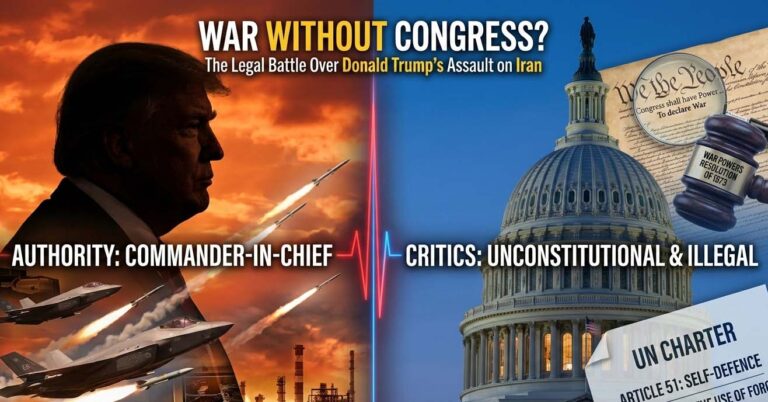
War Without Congress? The Legal Battle Over Donald Trump’s Assault on Iran

0

LISTEN TO STORY

WATCH STORY

By: A Special Correspondent

March 05, World (LNW): The military campaign launched by Donald Trump against Iran has triggered an intense legal debate both within the United States and across the international community. Critics argue that the strikes—conducted in coordination with Israel—may lack a solid legal basis under both American constitutional law and international law.

According to legal scholars and analysts, the operation raises two fundamental questions: whether the U.S. president possessed constitutional authority to launch the attacks without congressional approval, and whether the campaign itself complies with the rules governing the use of force under international law.


Presidential Power vs Congressional Authority

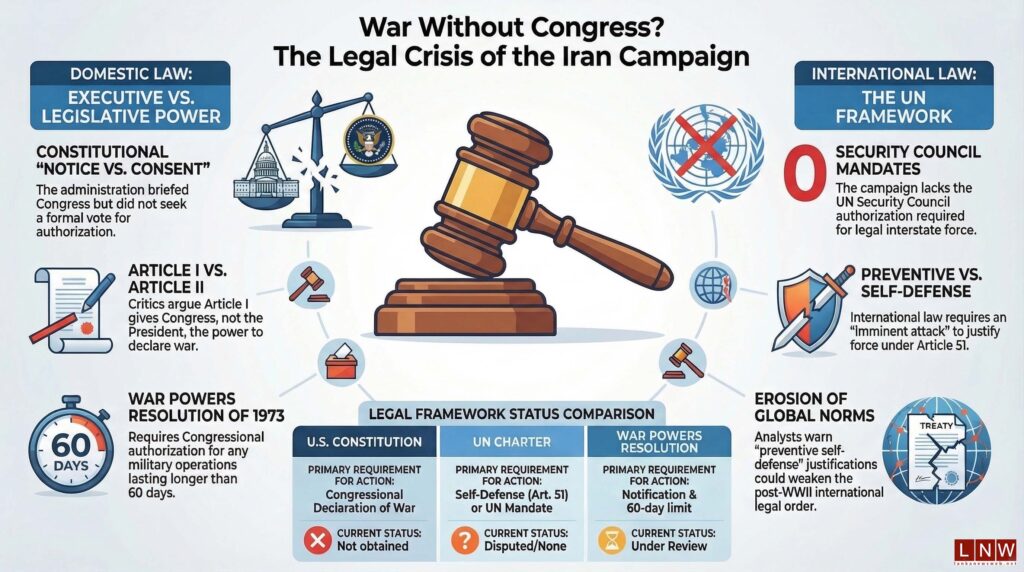
The United States Constitution divides war-making authority between Congress and the president. Article I grants Congress the power to declare war, while the president serves as commander-in-chief of the armed forces under Article II.

In practice, American presidents have frequently ordered limited military operations without formal war declarations. They often justify such actions through inherent presidential authority or through earlier legislation such as the Authorisations for Use of Military Force (AUMFs) adopted in 2001 and 2002 after the September 11 attacks and the Iraq War.

However, the military campaign against Iran has been described by many constitutional lawyers as far exceeding the scope of a limited defensive strike. The operation reportedly involved sustained bombardments of Iranian command centres, missile installations and leadership compounds—actions that critics say resemble a full-scale war rather than a short-term defensive measure.

The administration reportedly briefed senior members of Congress before the strikes but did not request a vote authorising the operation. This practice—sometimes referred to as the “notice rather than consent” model—has become increasingly common in modern U.S. foreign policy, but it remains controversial among constitutional scholars.

Many lawmakers argue that the scale and duration of the Iran campaign should have required explicit congressional approval under both the Constitution and the War Powers Resolution of 1973, which attempts to limit unilateral presidential military actions.
The War Powers Resolution Controversy

The War Powers Resolution was enacted after the Vietnam War to prevent presidents from committing the United States to prolonged conflicts without legislative oversight.

The law requires a president to notify Congress within 48 hours of deploying armed forces into hostilities and generally limits such operations to 60 days without congressional authorisation, with a possible 30-day withdrawal period.

Critics argue that the Iran operation appears inconsistent with these requirements, particularly if the campaign becomes prolonged or escalates further. Some members of Congress have introduced resolutions seeking to restrict the president’s ability to continue military operations without formal legislative approval.


International Law and the Use of Force

Beyond the constitutional debate, the attack also raises serious questions under international law.

The cornerstone of modern international legal order—the United Nations Charter—prohibits states from using force against other states except in two circumstances: self-defence under Article 51 or when authorised by the United Nations Security Council.

In the case of the U.S.-Israeli strikes on Iran, no Security Council mandate was obtained. This means the primary legal justification available to Washington is the claim of self-defence.

For such a claim to succeed, international law generally requires evidence of an actual or imminent armed attack. Many international law specialists argue that the strikes were framed as preventive or pre-emptive measures rather than responses to an immediate Iranian attack. As a result, they contend that the operation fails to meet the strict criteria required for lawful self-defence.


Disputed Justifications: Nuclear Threats and Regime Change

U.S. and Israeli officials have offered several explanations for the campaign, including preventing Iran from developing nuclear weapons and protecting civilians in the region.

However, legal experts note that these objectives—while politically significant—do not automatically justify unilateral military action under international law. Human-rights concerns, nuclear non-proliferation goals, or aspirations for regime change cannot legally justify armed attacks unless they receive approval from the UN Security Council.

United Nations experts have also argued that the legal justifications presented by the United States and Israel appear inconsistent and insufficient under the UN Charter’s framework governing the use of force.


Implications for the Global Legal Order

Legal analysts warn that the controversy surrounding the Iran campaign may have broader consequences for the international system established after the Second World War.

If powerful states increasingly rely on broad interpretations of “preventive self-defence” to justify military operations, the prohibition on the use of force could gradually erode. This could encourage other states to launch similar pre-emptive attacks, thereby weakening the legal norms designed to prevent interstate wars.

For now, the strikes on Iran stand as one of the most contentious legal disputes in contemporary international politics. Domestically, the debate centres on whether presidential war powers have expanded beyond constitutional limits. Internationally, the question remains whether the operation represents a legitimate act of self-defence—or a breach of the global rules governing war and peace.

Iran Vehemently Condemns U.S. After Warship Strike Near Sri Lanka Leaves Dozens Dead

0

By: Isuru Parakrama

March 05, Colombo (LNW): Iran has sharply criticised the United States following a deadly strike on one of its naval vessels in international waters close to Sri Lanka, describing the incident as a grave act of aggression on the high seas.

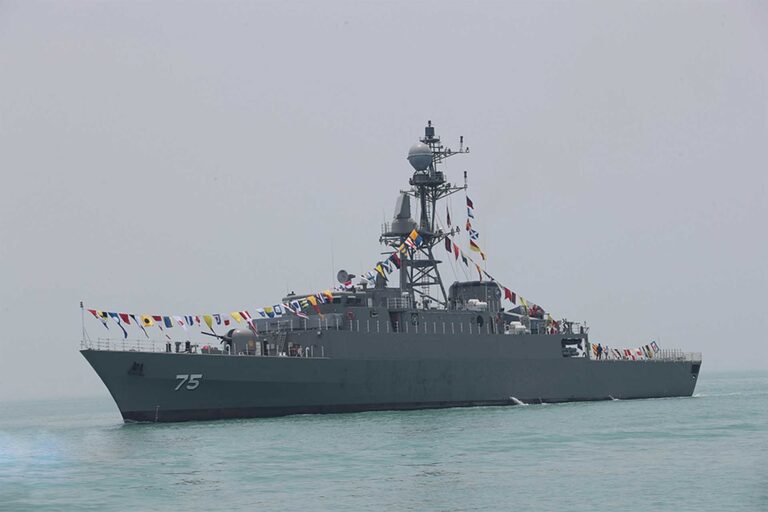
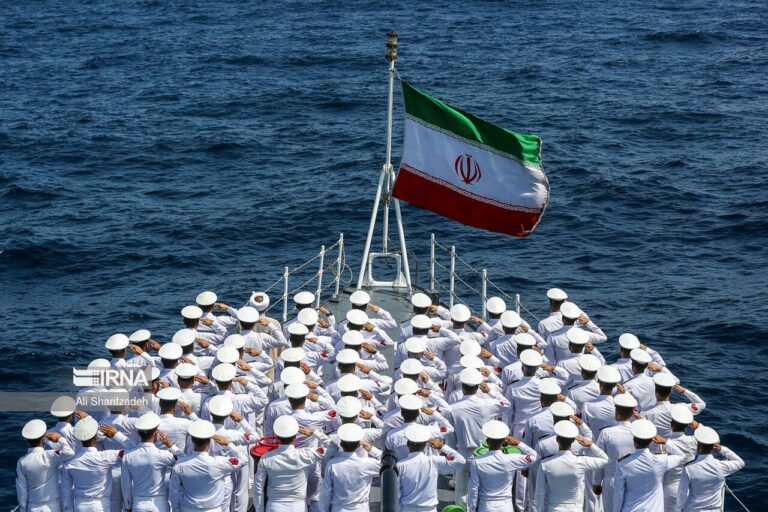
Iran’s Foreign Minister, Abbas Araghchi, alleged that the Iranian Navy frigate IRIS Dena was targeted without prior warning while sailing far from Iranian territory. The vessel, carrying close to 130 sailors, had recently taken part in a naval event hosted by India before the attack occurred.

In a strongly worded statement, Araghchi accused Washington of committing what he called a “atrocity at sea” thousands of miles from Iran’s coastline. He noted that the warship had been operating as a visiting participant in the international naval gathering organised by the Indian Navy and warned that the United States would face consequences for what he described as a dangerous precedent.

According to reports, the incident unfolded in waters south of Sri Lanka, where the vessel encountered severe damage and sank after coming under attack. Sri Lankan authorities said the distressed ship was located well outside the island’s territorial waters, prompting an urgent humanitarian response.

The Sri Lanka Navy launched search and rescue operations shortly after receiving reports of survivors and bodies in the surrounding waters. So far, 32 Iranian sailors have been rescued and transported to shore, where they are receiving medical treatment at the Karapitiya Teaching Hospital in Galle. Medical officials confirmed that several of the survivors were suffering from exhaustion and injuries sustained during the incident.

Recovery teams working in the area have also retrieved more than 80 bodies from the sea, while efforts continue to locate additional missing crew members believed to have been on board when the ship went down.

The frigate had reportedly been on its return voyage after participating in the 2026 International Fleet Review held in Visakhapatnam, a major maritime event that brought together naval vessels from several countries.

Meanwhile, the United States has acknowledged responsibility for the strike, stating that a U.S. submarine fired a torpedo at the Iranian vessel. Military analysts have noted that this marks the first confirmed instance of an American submarine carrying out such an attack since the end of the Second World War, raising concerns about escalating tensions in international waters.

The Backlash Against Anura will be More Fierce than Gotabaya?

0

By: Adolf 

March 05, LNW (Colombo):

PM Harin after after AKD won prior to the General Election

PM Harini now with escorts 

Political power in Sri Lanka has always come with public scrutiny. But when leaders appear to misuse that power or lose sight of the public’s real struggles, the backlash can be swift and unforgiving. The experience of Gotabaya Rajapaksa demonstrated how quickly public frustration can transform into a nationwide uprising. Today, there is a growing concern that Anura Kumara Dissanayake could face an even fiercer reaction if his administration continues on its current path. The fundamental issue is perception. Governments rise or fall based not only on policy but on how fairly and responsibly they exercise authority. Many Sri Lankans are beginning to feel that the government’s priorities are misplaced. Instead of focusing on economic recovery and governance reforms, there is a sense that energy is being spent on selective investigations, arrests, and political vendettas.

Impartiality 

Law enforcement must be impartial. If investigations appear discriminatory or politically motivated, public trust erodes rapidly. Sri Lanka has experienced this pattern before. When the justice system is perceived as a political weapon rather than an independent institution, it undermines the legitimacy of the government itself. Arresting individuals selectively while ignoring serious allegations involving those within the administration only fuels public anger.Another major concern is the worsening economic reality faced by ordinary citizens. Many Sri Lankans continue to struggle with rising costs of living, limited job opportunities, and declining purchasing power. When a government that came to power promising systemic change instead presides over policies that make people poorer, the social contract between the state and citizens begins to fracture.

Expectations 

The expectation from the current leadership was not merely political change but governance transformation. Voters believed that the new administration would be tougher on corruption, more disciplined in their promises , and more transparent in decision-making. However, the public is increasingly questioning why credible accusations involving ministers have not been addressed with the same urgency applied to opponents. Leadership requires consistency. If the rule of law is applied unevenly, it creates the impression that accountability is selective. That perception can be politically devastating. Another critical factor often overlooked is the electoral reality. While the president won the election, it is important to remember that he did not receive more than 50 percent of the total vote in the first count. In a deeply divided political landscape, this means a significant portion of the population did not support him. Governing in such circumstances requires humility, consultation, and restraint. Triumph should never translate into political overreach. Successful leaders understand that electoral victory does not grant unlimited authority; it confers responsibility. The most effective presidents in Sri Lanka’s history governed with caution during periods of economic vulnerability. They focused on stability rather than confrontation. If the current administration continues to pursue policies perceived as punitive or politically motivated while ignoring governance failures within its own ranks, public patience may wear thin. The Sri Lankan electorate has repeatedly shown that it can mobilize quickly when frustration reaches a tipping point. For example PM hoodwinked the public to get votes by going in a double-cab . Now she goes with several escorts . This a total loss of confidence of the middle and lower middle class voters, they expect so much from her. 

Impatient 

The events that forced Gotabaya Rajapaksa from office are still fresh in the national memory. Citizens who once remained silent demonstrated that they are willing to challenge authority when their livelihoods are threatened and when governance appears unjust. The lesson is clear. Power in Sri Lanka is never permanent, and public goodwill can evaporate rapidly. If President Anura Kumara Dissanayake wishes to avoid a backlash potentially more intense starting from his own supporters than what occurred during the previous administration, he must pivot toward humility, fairness, and genuine economic reform.History has shown that Sri Lankan voters are patient—but not indefinitely. And when that patience finally runs out, the consequences for those in power can be severe.

Government Confirms Second Iranian Vessel Near Sri Lanka as Rescue Efforts Continue

0

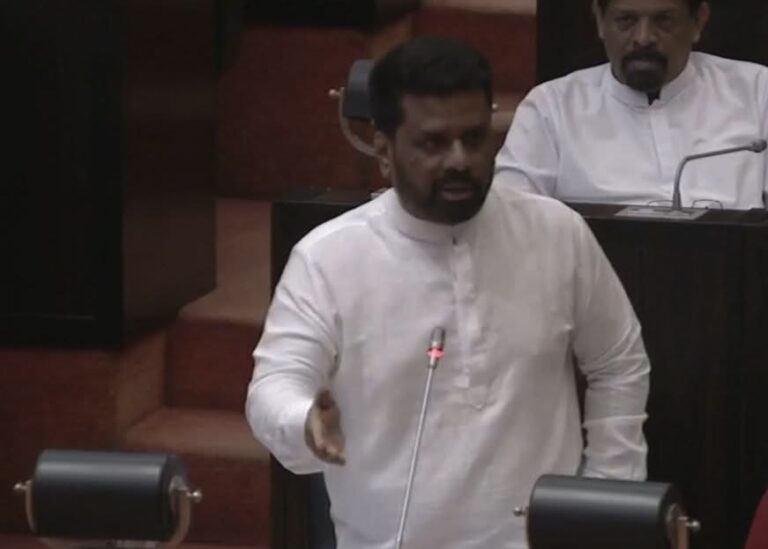
March 05, Colombo (LNW): Chief Government Whip and Minister Dr Nalinda Jayatissa informed Parliament today that a second Iranian vessel is currently positioned in international waters close to Sri Lanka’s maritime boundary.

Speaking during a parliamentary session, Dr Jayatissa said the authorities, including the government and the Ministry of Defence, are fully aware of the ship’s location and are monitoring the situation while taking steps to safeguard the people on board.

He explained that the vessel has not entered Sri Lankan territorial waters but is situated within the country’s Exclusive Economic Zone (EEZ). According to the Minister, officials are engaged in humanitarian efforts related to the incident and a full report will be presented once the ongoing operation is concluded.

Responding to queries from opposition members regarding the Iranian naval vessel that sank off the southern coast near Galle, Dr Jayatissa clarified that the incident took place outside Sri Lanka’s territorial jurisdiction.

He noted that Sri Lanka’s EEZ extends beyond its territorial waters and allows freedom of navigation for foreign vessels. The country’s authority within that zone largely relates to economic activities rather than full maritime control. The attack on the vessel, he said, occurred roughly 19 nautical miles from Sri Lanka’s coastline.

The Minister further stated that Sri Lankan authorities were alerted after reports emerged that bodies had been spotted drifting in nearby waters. Following the information, the Sri Lanka Navy launched a search and rescue mission.

He said the response was conducted strictly on humanitarian grounds, without initially investigating the cause of the incident or whether it was linked to military action. As a result of the rescue operation, 32 survivors were brought ashore and admitted to Karapitiya Hospital, with one individual currently receiving treatment in the intensive care unit. In addition, recovery teams have retrieved 87 bodies from the sea so far.

Dr Jayatissa acknowledged that state facilities were facing challenges in handling the large number of remains, particularly due to a shortage of adequate refrigeration equipment. Authorities are therefore seeking assistance from the private sector to address the situation.

He revealed that discussions were already underway and that two freezer units were expected to be transported to Galle within hours to support the ongoing recovery efforts.

Addressing differing reports surrounding the attack on the Iranian vessel, the Minister said the government had acted on the information available at the time. He pointed out that confirmation of a torpedo strike was only officially communicated later in the evening by the United States.

The government, he emphasised, is continuing to handle the situation in accordance with international law while prioritising humanitarian responsibilities and regional stability. Parliament will be briefed further once investigations and rescue operations progress.

Sri Lanka Apparel Sector Demands Urgent Trade Reforms

0

By: Staff Writer

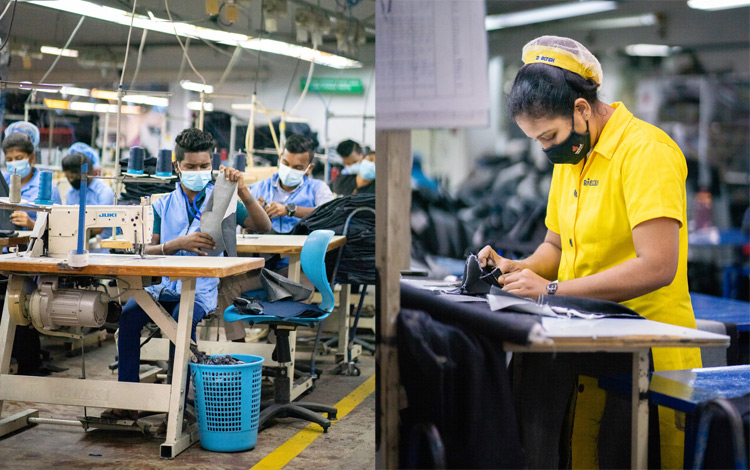
March 05, Colombo (LNW): Sri Lanka’s apparel industry has issued a strong appeal to the government: secure new trade agreements now, or risk losing further ground to regional competitors.

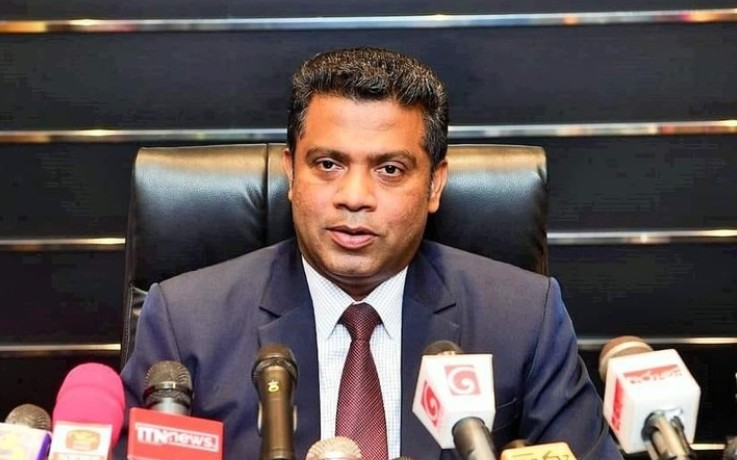
At a recent press conference in Colombo announcing the 15th Sri Lankan Edition of the Textile Series of Exhibitions, leaders from the Joint Apparel Association Forum (JAAF) and the Sri Lanka Export Development Board (EDB) laid bare the structural disadvantages confronting the country’s largest export sector.

Their message was clear without preferential market access through Free Trade Agreements (FTAs) and Preferential Trade Agreements (PTAs), Sri Lanka’s ambition to reach US$ 30 billion in exports by 2030 may remain out of reach.

JAAF Chairman Felix Fernando underscored how dramatically the global trade landscape has evolved over the past three decades. Sri Lanka once thrived by focusing on high-income Western markets.

Today, however, that strategy exposes vulnerabilities. Nearly half of the nation’s exports still flow to the European Union and the United Kingdom, creating concentration risk at a time of shifting trade policies and slowing growth.

Meanwhile, competitors have surged ahead through aggressive trade diplomacy. Bangladesh, leveraging its Least Developed Country status, enjoys zero-duty access to Japan, while Vietnam has secured multiple strategic trade agreements across Asia and beyond.

The cost implications are stark. Even if Sri Lankan manufacturers match production costs in Bangladesh, import duties imposed on Sri Lankan garments make them significantly more expensive in key markets.

Fernando argued that this structural imbalance leaves Sri Lanka effectively priced out of markets such as Japan, India, China, Australia, and Canada countries where preferential access could unlock substantial demand. Without swift negotiations to level the playing field, he warned, the industry’s survival and long-term growth prospects could be compromised.

EDB Chairman and CEO Mangala Wijesinghe acknowledged these concerns, outlining a diversification strategy embedded in the National Export Development Plan. The government is targeting new opportunities in Africa, the Middle East, and ASEAN nations.

A reactivated National Export Development Council of Ministers is currently assessing potential FTA partners, building on existing agreements with India and Pakistan and pending deals with Singapore and Thailand.

Recent export figures offer cautious optimism. National exports rose from US$ 15 billion to US$ 17.3 billion in 2025, driven partly by diversification into new product categories. Additionally, frameworks such as the United Kingdom’s Developing Countries Trading Scheme are expected to provide some relief.

Hitherto industry leaders insist incremental gains are insufficient. Without decisive trade reform, Sri Lanka risks remaining competitive in quality but uncompetitive in price. For an export-dependent economy seeking rapid expansion, the apparel sector’s appeal highlights a pressing reality: trade access is no longer optional it is existential.

War Reroutes Sri Lanka Trade, Creating Risks and Rare Openings

0

By: Staff Writer

March 05, Colombo (LNW): While the Gulf conflict threatens short-term economic strain, it may also generate unexpected strategic openings for Sri Lanka particularly in shipping, labour migration, and logistics.

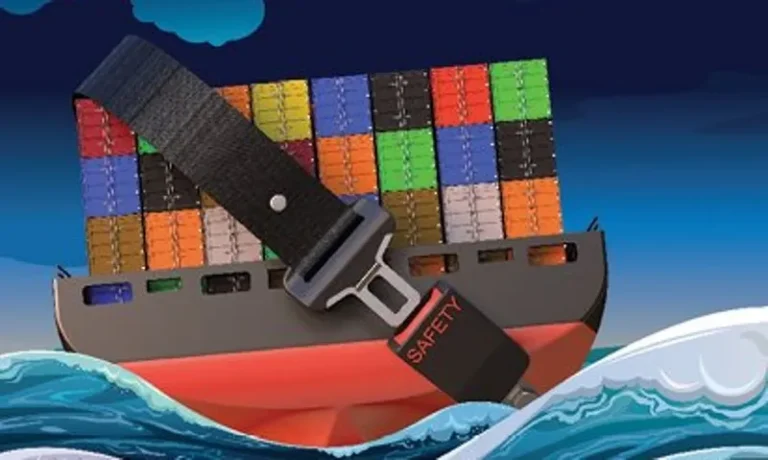
According to First Capital Research, maritime disruptions in the Middle East have already begun reshaping global shipping patterns. Instability near the Bab-el-Mandeb Strait and concerns around Gulf routes have prompted some vessels to divert around the Cape of Good Hope, increasing traffic across the Indian Ocean.

If sustained, these realignments could reinforce Colombo’s status as a mid-ocean transshipment hub. The Port of Colombo long positioned as a strategic logistics gateway between East and West—stands to benefit from higher vessel calls, bunkering demand, and related maritime services. For a country seeking foreign exchange inflows, such structural shifts could prove significant.

Labour markets present another complex dimension. Sri Lanka depends heavily on remittances from migrant workers in Gulf economies. Escalating regional instability could disrupt employment conditions, potentially affecting remittance inflows that underpin household incomes and foreign reserves.

However historical precedent suggests a more nuanced outlook. Following the 2003 Iraq conflict, construction booms in cities such as Dubai, Doha and Abu Dhabi drove increased demand for migrant labour. Reconstruction cycles and oil-financed infrastructure projects often expand employment opportunities for South Asian workers. Should energy revenues surge again, similar labour demand could offset initial disruptions.

Equity markets also reflect this dual narrative. The sharp sell-off at the Colombo Stock Exchange highlights investor anxiety. However, analysts suggest that if tensions remain contained, the correction may present selective entry points particularly in logistics, port operations, and firms linked to external inflows.

Currency dynamics further illustrate the balancing act. A stronger dollar and higher oil bills pressure the rupee, but increased shipping receipts or resilient remittance flows could provide partial buffers. The outcome hinges on whether the conflict escalates into a prolonged regional crisis or stabilises under a moderate scenario.

Ultimately, Sri Lanka’s exposure to Gulf instability underscores both vulnerability and adaptability. The same geographic positioning that amplifies its sensitivity to energy shocks also enhances its value as a maritime crossroads. If policymakers can manage inflation risks while leveraging emerging trade realignments, the crisis may yet yield opportunity.

For Sri Lanka, the Gulf war is not merely an external shockit is a test of economic resilience in an interconnected world.

Crackdown on Corrupt Cops or Growing Surveillance State?

0

By: Staff Writer

March 05, Colombo (LNW): The National People’s Power (NPP) government has launched an ambitious campaign to reform Sri Lanka’s Police Department. Public Security Minister Ananda Wijepala announced in Parliament that special intelligence units have been established in every province to detect corruption and misconduct among police officers.

Framed as a professionalization drive, the initiative signals a tougher stance on internal discipline but it also raises concerns about expanding state power.

The statistics are striking. From January 2024 to September 2025, 604 officers were interdicted and 79 dismissed after investigations. Additionally,

11 Internal Affairs Units now operate island-wide to target officers suspected of corruption or criminal activity. The government has opened multiple complaint channels, including direct messaging to the Inspector General of Police and dedicated hotlines.

The reforms arrive amid mounting public frustration over organized crime and allegations of police complicity. Authorities report arresting 723 organized criminals between January 2024 and May 2025. Against this backdrop, intelligence-led oversight appears both strategic and politically advantageous.

However intelligence-driven reform carries consequences beyond internal discipline. Intelligence systems are inherently secretive. Their effectiveness often depends on confidential reporting, surveillance techniques, and centralized data collection. While these tools can root out corruption, they can also normalize heightened monitoring practices within the state apparatus.

Sri Lanka’s police force nearly 80,000 strong across 608 stations already holds significant authority in citizens’ daily lives. Traffic stops, protests, community disputes, and public gatherings all bring police into direct contact with civilians.

If intelligence culture becomes embedded not only in oversight but in broader operations, citizens may experience more frequent scrutiny, data gathering, and background checks.

For everyday life, the impact could be mixed. On one hand, citizens may benefit from reduced bribery, faster disciplinary processes, and more accountable officers. The Minister has pledged higher salaries, better facilities, and rewards for integrity measures that could elevate morale and professionalism.

On the other hand, the steady expansion of intelligence frameworks, coupled with efforts to fill over 9,000 police vacancies, could increase the visibility and reach of law enforcement nationwide. In politically sensitive environments, such expansion sometimes narrows civic space. Community activism, journalism, and dissent rely on confidence that oversight mechanisms cannot be weaponized.

The central question is intent and oversight. Is the NPP government constructing a cleaner police service or laying structural foundations for tighter state control? The answer lies in safeguards. Transparent reporting, independent civilian monitoring, and judicial review will determine whether these intelligence units remain tools of reform rather than instruments of repression.

Security and democracy need not be opposites. But history shows that intelligence growth, once normalized, rarely contracts easily. Sri Lanka’s challenge is to ensure that fighting corruption does not unintentionally cultivate a surveillance-oriented governance model.

The coming years will reveal whether this initiative becomes a blueprint for institutional renewal—or a step toward a more watchful state?

Twin-Tower Gamble Signals Turning Point for Colombo Economy

0

By: Staff Writer

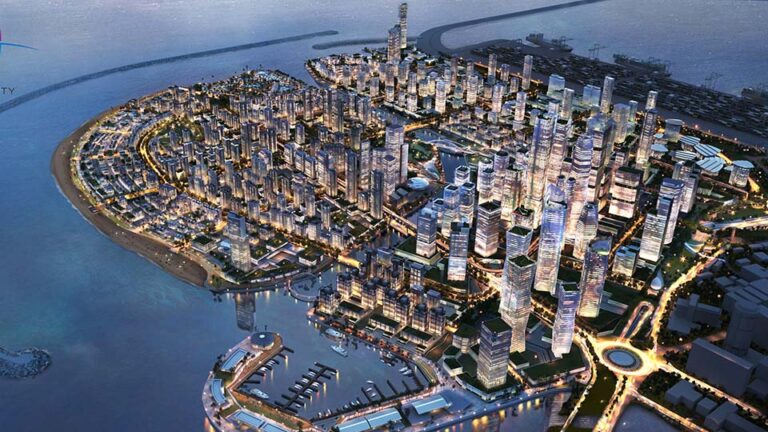
March 05, Colombo (LNW): A $40.1 million land acquisition inside Port City Colombo is being viewed by analysts as more than a property transaction it may represent a turning point in Sri Lanka’s effort to reposition itself as a regional investment destination.

Home Lands, a three-time “Best Developer Sri Lanka” award winner at the PropertyGuru Asia Property Awards, has secured over three acres within the Central Park District of the master-planned city. The deal ranks among the largest single commitments by a purely domestic developer in the project to date.

Unlike several earlier investments in Port City that involved foreign partnerships, this initiative is fully independent. That distinction matters in an economy working to restore confidence among lenders and international markets. By deploying substantial capital without external backing, the company signals belief in regulatory stability, long-term demand, and macroeconomic normalization.

The development blueprint outlines a $300 million mixed-use ultra-luxury complex featuring twin 40-storey towers and more than 600 residential units. Designed as a forest-inspired vertical retreat, the project aims to differentiate Colombo within South Asia’s competitive real estate landscape.

For Sri Lanka’s economy, the stakes extend well beyond high-end housing. Large-scale developments inside the SEZ operate in foreign currency, potentially attracting offshore buyers and diaspora investors. This could ease pressure on the rupee by channeling new inflows into construction, services, and ancillary industries.

Port City Colombo itself was conceived as a financial and business district built to international standards, with advanced infrastructure and a regulatory framework distinct from the mainland. As foundational works conclude, attention is shifting from land reclamation to value-generating vertical construction. Home Lands’ entry into this phase suggests growing private-sector readiness to move from speculation to execution.

Employment generation will likely be one immediate impact. From architects and engineers to logistics operators and hospitality planners, a $300 million build-out can sustain thousands of direct and indirect jobs. In a country where youth unemployment and underemployment remain pressing concerns, this could provide meaningful economic spillover.

However, questions persist. Ultra-luxury positioning narrows the buyer pool, making the project dependent on sustained investor appetite and macro stability. Any external shocks global rate hikes, geopolitical tensions, or domestic policy reversals could test demand.

However the symbolism is undeniable. At a time when Sri Lanka is rebuilding its economic narrative, a homegrown firm stepping forward with a high-risk, high-visibility commitment sends a powerful signal. Whether this twin-tower venture becomes a catalyst for broader capital inflows or a cautionary tale will depend on execution, governance, and sustained investor trust.

For now, Colombo’s skyline and Sri Lanka’s economic ambitions stand on the cusp of transformation.

How the Torpedoing of Iran’s IRIS Dena Near Sri Lanka Could Reshape the Island’s Strategic Future

0

LISTEN TO STORY

WATCH STORY

By: Isuru Parakrama

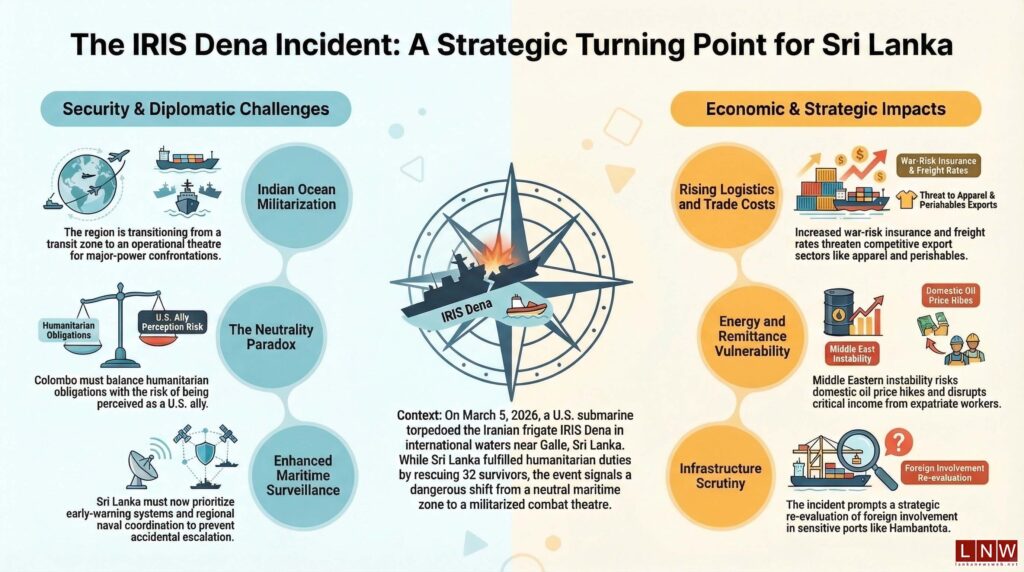
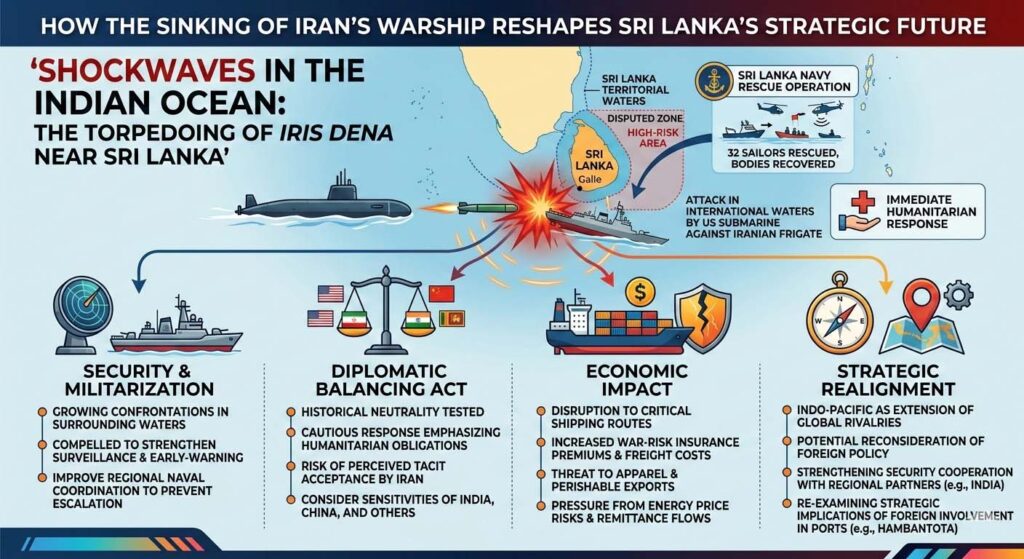
March 05, Colombo (LNW): The torpedoing of the Iranian warship IRIS Dena in the Indian Ocean near Sri Lanka represents a dramatic extension of Middle Eastern hostilities into the wider Indo-Pacific. Although the attack did not occur within Sri Lanka’s territorial waters, the incident has immediate and potentially far-reaching implications for the island’s security posture, diplomatic balancing, and economic stability.

According to available details, a United States submarine unleashed the torpedo assault against the Iranian naval frigate in international waters near Sri Lanka’s southern coastline, not far from Galle. The attack resulted in heavy casualties, leaving numerous Iranian sailors dead or missing. In the aftermath, the Sri Lanka Navy launched rescue operations, saving 32 personnel and recovering dozens of bodies from the sea.

The rescue mission was conducted under the framework of the 1979 International Convention on Maritime Search and Rescue, which obliges states to assist vessels in distress regardless of political circumstances.

While Sri Lanka’s role in the incident has been limited to humanitarian rescue efforts, the event nevertheless places the country in an uncomfortable geopolitical spotlight. The Indian Ocean sea lanes around Sri Lanka have long been among the world’s most heavily travelled maritime corridors, linking energy routes from the Middle East with the manufacturing centres of East Asia.

The sudden appearance of a direct naval confrontation between the United States and Iran in waters so close to the island underscores how rapidly distant geopolitical rivalries can spill into Sri Lanka’s immediate neighbourhood.

From a security perspective, the incident highlights the growing militarisation of the Indian Ocean. Sri Lanka now faces the reality that its surrounding waters could increasingly become an operational theatre for major-power confrontations. In response, policymakers in Colombo may be compelled to strengthen maritime surveillance systems, expand early-warning capabilities, and improve coordination with regional naval forces.

Such measures would be intended not only to monitor foreign military activity but also to prevent accidental escalation or misidentification incidents near Sri Lankan waters.

Diplomatically, the situation poses a delicate balancing act. Sri Lanka has historically pursued a policy of neutrality, seeking to maintain constructive relationships with Western powers, Middle Eastern nations, and emerging Asian partners simultaneously.

In its official response, Colombo has emphasised its humanitarian obligations and adherence to international law, deliberately avoiding direct criticism of either the United States or Iran. This cautious tone appears designed to prevent the island from becoming entangled in the political fallout of the attack.

Nevertheless, the diplomatic risks remain significant. Iran may interpret Sri Lanka’s restrained response as tacit acceptance of U.S. military activity near its maritime approaches. Such perceptions could complicate bilateral relations with Tehran and potentially influence Sri Lanka’s broader engagement with countries aligned with Iran.

At the same time, Colombo must consider the sensitivities of other major powers with strategic interests in the Indian Ocean, including China and India, both of which closely monitor developments in the region’s maritime security landscape.

Beyond geopolitics, the economic implications could be profound. Even prior to the sinking of the Dena, Sri Lankan authorities and the Central Bank had warned that escalating conflict in the Middle East might disrupt global shipping routes, increase war-risk insurance premiums, and drive up freight costs.

The attack near Sri Lanka provides tangible evidence that naval hostilities can extend far beyond the Persian Gulf, potentially making insurers and shipping companies view the entire Indian Ocean basin as a higher-risk environment.

For Sri Lanka, whose economy depends heavily on maritime trade, such developments could prove damaging. The country’s export sectors—particularly apparel and time-sensitive goods such as perishables—rely on stable shipping schedules and predictable logistics costs. If freight rates climb or shipping routes become more volatile, Sri Lankan exporters could lose their competitive advantage in global markets.

Additional economic pressures may also emerge from energy markets and labour migration patterns. Sri Lanka imports the vast majority of its petroleum, meaning any prolonged rise in global oil prices triggered by Middle Eastern instability would place further strain on the country’s fragile economic recovery.

Meanwhile, millions of Sri Lankan expatriate workers in the Gulf region send remittances that form a critical pillar of the national economy. Any disruption to regional stability in the Middle East could threaten these income flows.

In strategic terms, the fact that a U.S. submarine was able to conduct a combat torpedo strike on an Iranian naval vessel so close to Sri Lanka’s coastline sends a powerful signal about the evolving nature of the Indo-Pacific security environment. The region is increasingly being treated by global powers as an extension of wider geopolitical rivalries rather than a neutral maritime transit zone.

This reality may eventually force Sri Lanka to reconsider aspects of its long-standing foreign policy. Strengthening security cooperation with regional partners—particularly India and other Indo-Pacific states—could become a priority. At the same time, Colombo may re-examine the strategic implications of foreign involvement in its ports and maritime infrastructure, including politically sensitive projects linked to Hambantota.

Ultimately, the sinking of the IRIS Dena may prove to be more than a single wartime incident. It could mark a turning point in how Sri Lanka perceives its position within an increasingly contested Indian Ocean. The island now faces the challenge of safeguarding its neutrality and economic interests while navigating a maritime environment that is becoming steadily more militarised and unpredictable.

Inferior Coal Supplies Raise Concerns Over Possible Power Shortages

0

March 05, Colombo (LNW): Sri Lanka could face electricity supply disruptions in the coming months due to concerns over the quality of coal used in power generation, according to a recent assessment by the Public Utilities Commission of Sri Lanka (PUCSL).

The report indicates that lower-grade coal being supplied to certain thermal power stations may affect their operating capacity, potentially creating challenges in meeting electricity demand, particularly during night-time peak hours.

The analysis was carried out using electricity demand projections submitted by the Ceylon Electricity Board (CEB) for February 2026. Based on these estimates, it was assumed that hydropower plants would be able to contribute up to 1,300 megawatts to support the evening demand, while the Lakvijaya Power Station would generate a maximum of around 690 megawatts due to reduced capacity.

Officials attribute the limitation partly to operational concerns that may require each unit to reduce output by approximately 40 megawatts.

The report also highlighted a number of scheduled maintenance shutdowns at several key power plants this year, which could further tighten the available generation capacity. Unit 1 of the Lakvijaya Power Station is expected to undergo maintenance in June for about 25 days, followed by a similar maintenance period for Unit 2 in July.

In addition, the 270-megawatt Westcoast Power Plant is scheduled for maintenance in April lasting around 10 days, while the 150-megawatt KCCP II plant is due to undergo maintenance during May, June and July.

Taking these planned shutdowns into account, the Commission warned that the national grid could face potential capacity shortages in April, June and July if electricity demand rises to around 3,030 megawatts, 3,070 megawatts and 3,000 megawatts respectively. For comparison, the highest night-time peak demand recorded so far this year was 2,949 megawatts on February 25.

The report further cautioned that the situation could worsen if even a single major power plant or coal unit becomes unavailable during these periods, as this would significantly reduce the system’s ability to meet peak demand.

Regulators also noted that if generation at the Lakvijaya facility needs to be scaled down further to maintain safe and stable operations, the risk of supply shortages could increase.

Technical observations within the report pointed to the high ash content in some coal shipments and instances where steam temperatures exceeded recommended limits. These conditions, it said, could accelerate wear within boiler systems and increase the likelihood of equipment overheating, potentially affecting the reliability of the plant.

Energy authorities are expected to review the findings and consider measures to strengthen the stability of the national power supply while addressing the quality concerns surrounding imported coal.